



















Grand Challenges Canada and Spring Impact’s new case study series examines how four organizations achieved significant scale breakthroughs in global health innovations.
Healthy Entrepreneurs, Karma Primary Healthcare, Be Girl, and Community Empowerment Lab, are working across violence prevention, newborn care, menstrual health, and primary care in some of the world’s most under-served communities.
Their scale journeys have reached levels of impact many aspire to:
- 1 million menstrual hygiene products distributed and 500,000 adolescents receiving menstrual health education across three countries.
- Newborn care practices that existed in policy for decades finally becoming routine in public hospitals.
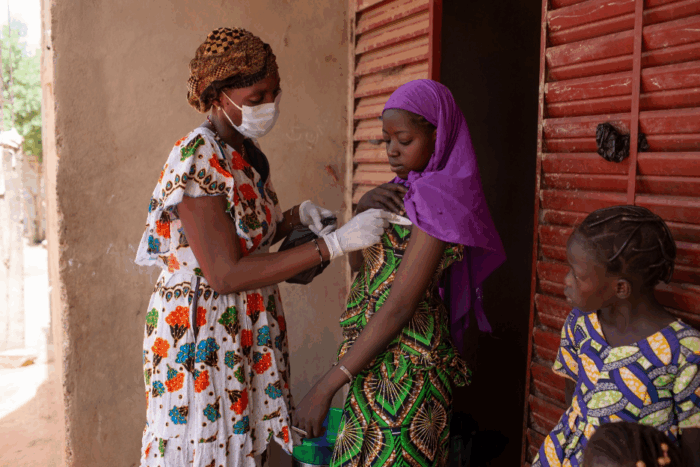
- 6.2 million primary care interactions in communities where little alternative exists.
- 20,000+ Community Health Entrepreneurs extending health systems to 13 million people.
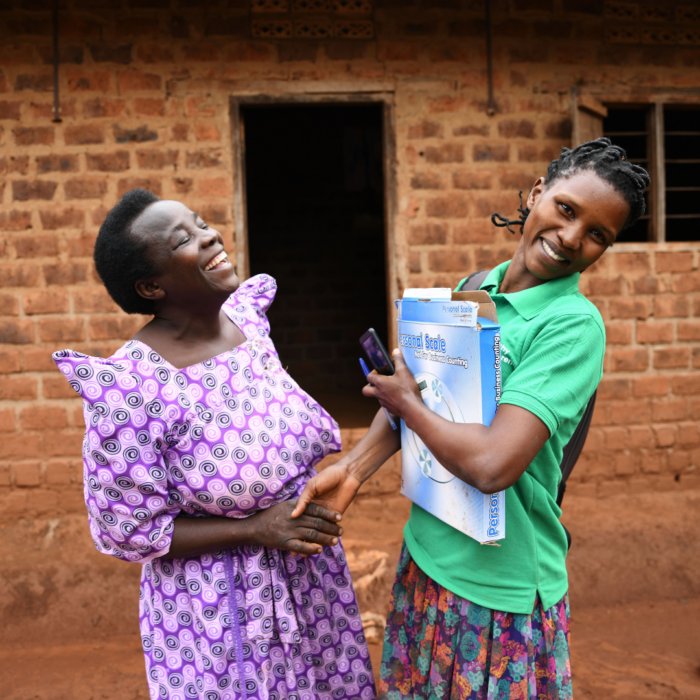
Healthy Entrepreneurs
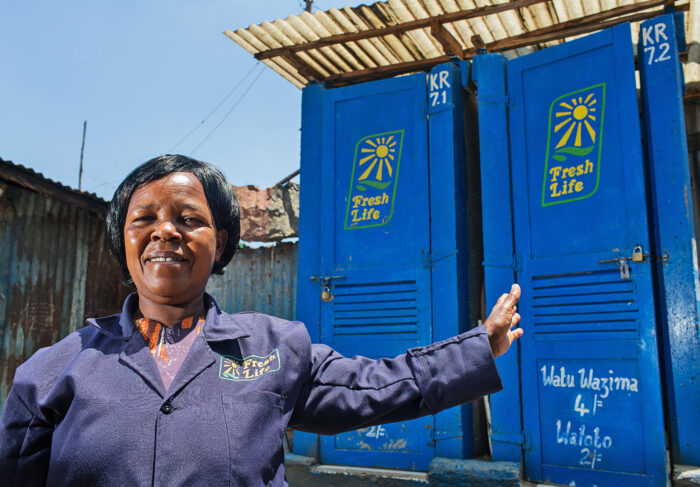
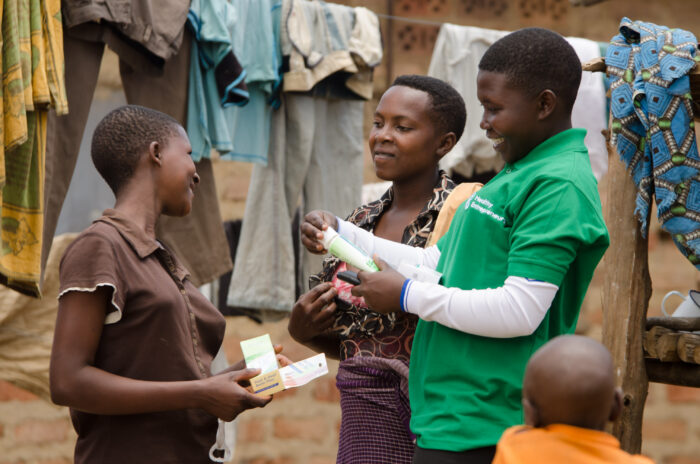
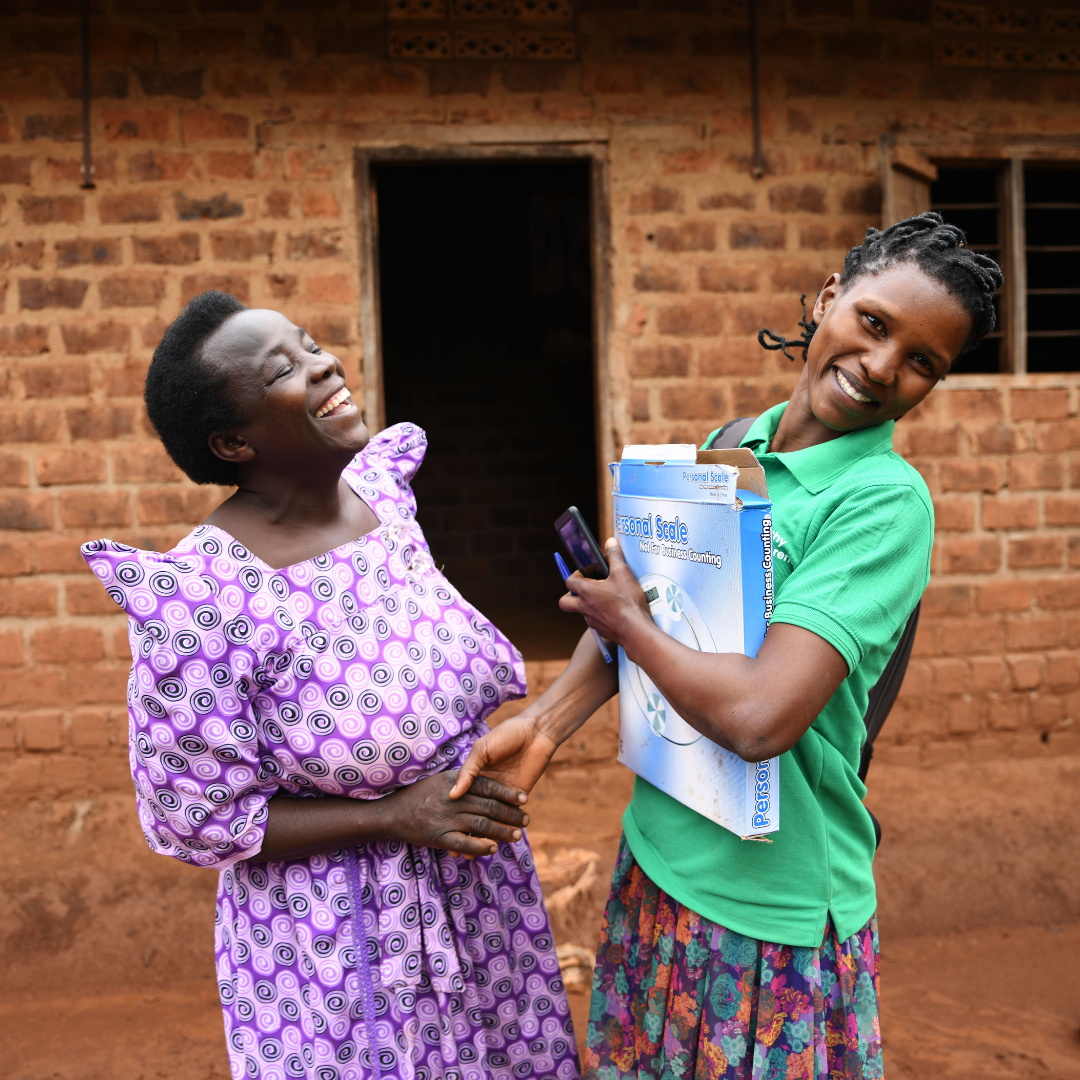
Healthy Entrepreneurs built an integrated last-mile healthcare supply chain that gives Community Health Workers the tools, products, and support needed to serve their communities more effectively.
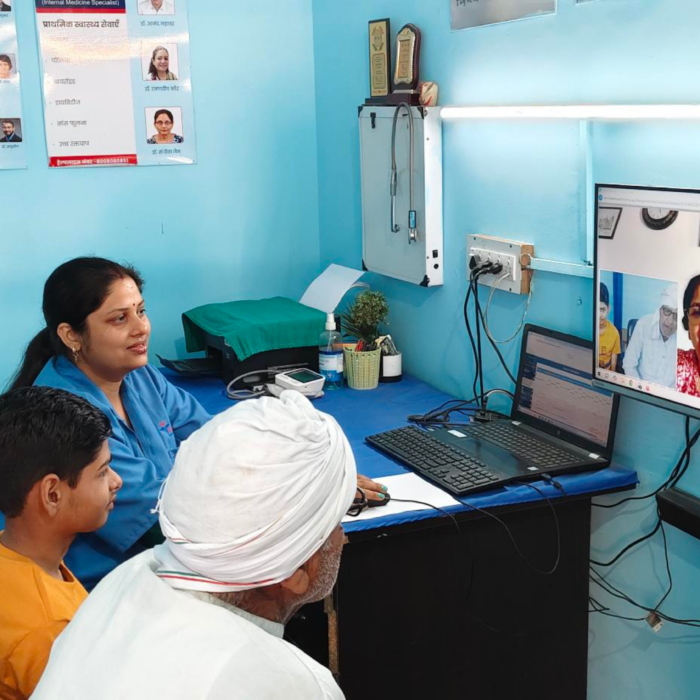
Karma
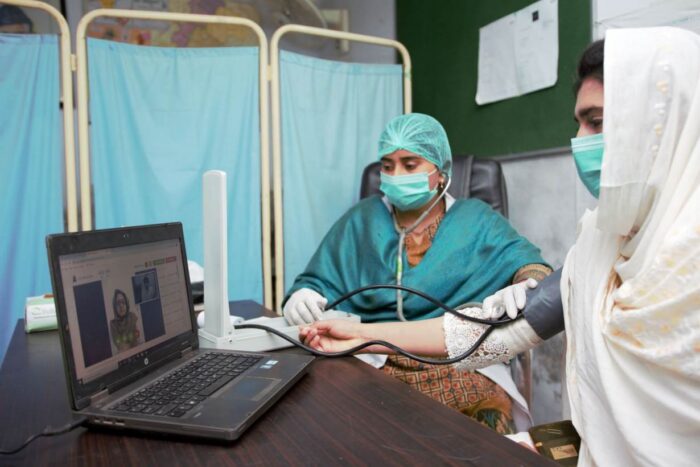
Karma’s centers are making timely healthcare more accessible in parts of rural India, bringing care closer to home and reducing the need for long journeys, high costs, and delayed treatment.

Be Girl
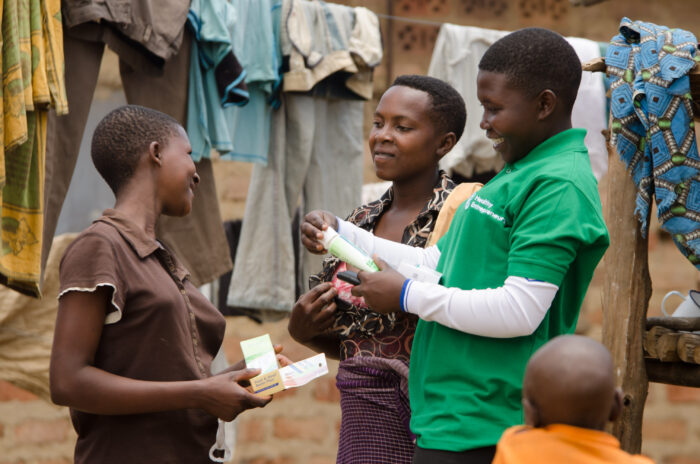
Be Girl developed an integrated model combining product supply, curriculum development, training, and technical assistance to address menstrual health needs at every level.

Community Empowerment Lab
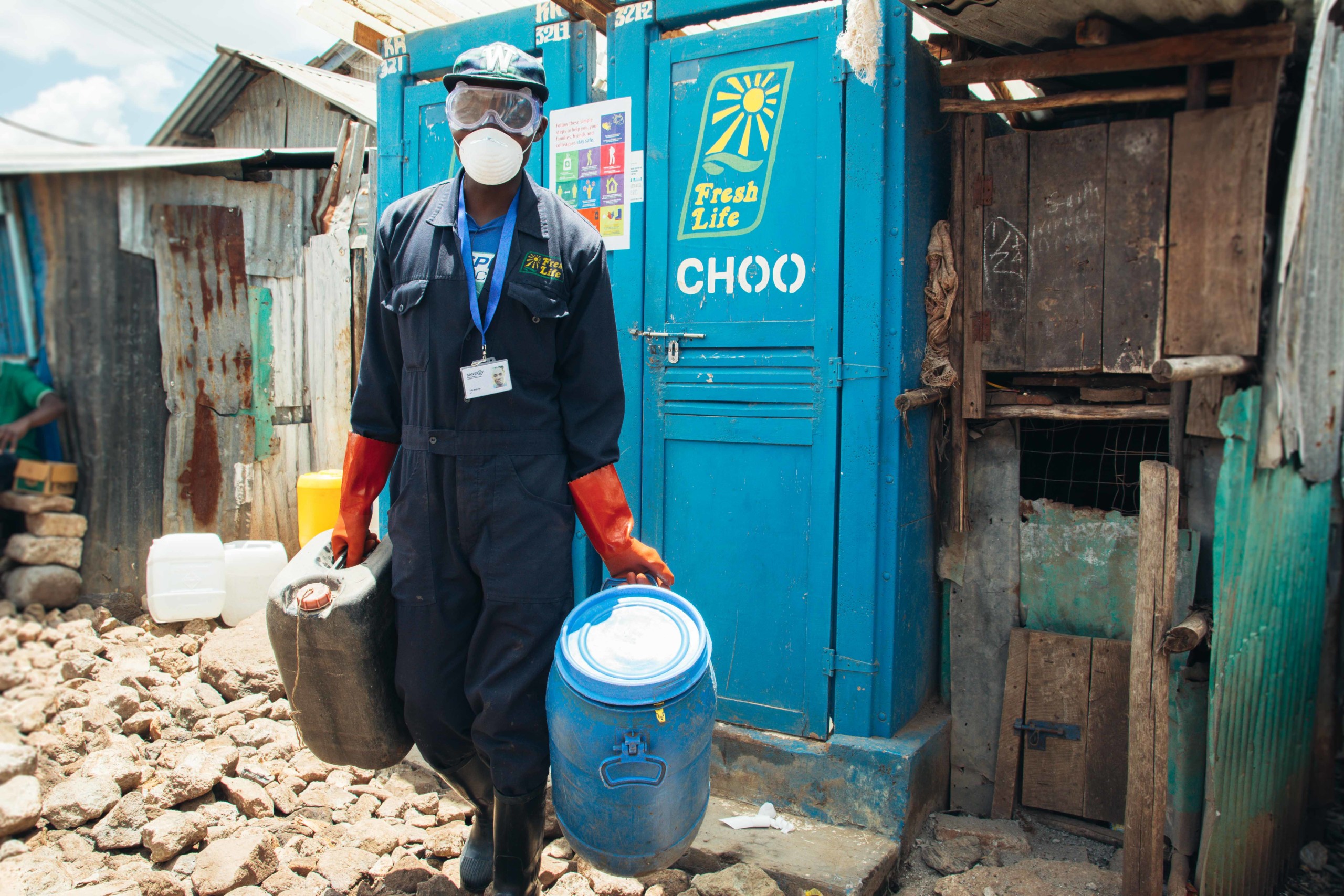
Community Empowerment Lab works with mothers, health providers and health system leaders in India to translate KMC’s evidence into a scalable delivery model.
This case study series shows what made those outcomes possible, uncovering the strategic choices that moved each organization to sustainable impact through government partnerships, market-based models, and innovative finance.
Across very different contexts and geographies, some patterns surfaced:
- Engaging the right layer of government is critical. Organizations succeeded by focusing on the part of the government that controls delivery infrastructure, not the one that sets policy.
- Evidence mattered most when it answered the questions of the next adopter, not just those of current funders.
- The most durable and scalable models used existing infrastructure, rather than building parallel delivery systems. They reduced their own role over time, embedding not only delivery, but also support functions, into the roles of other implementers.
- Adoption only happened when it became the rational choice for all the different actors involved. What mattered was not just whether the solution was technically strong, but whether taking it on made sense for those who needed to fund, authorize, deliver, and sustain it.
These case studies show us the value of scaling what works, and what doing it well looks like in practice.
Want to learn more about these scale breakthroughs? Join our upcoming Webinar:
- Title: ScaleTales: Lessons from Four Organisations That Unlocked Scale
- Date: Monday, 2 June 2025
- Time: 9:30 a.m. ET (2:00 p.m. UTC)
These case studies were developed in partnership with Spring Impact, a global nonprofit helping mission-driven organizations to scale their impact.