


Be Girl
Transforming menstrual health from an overlooked issue into a national priority
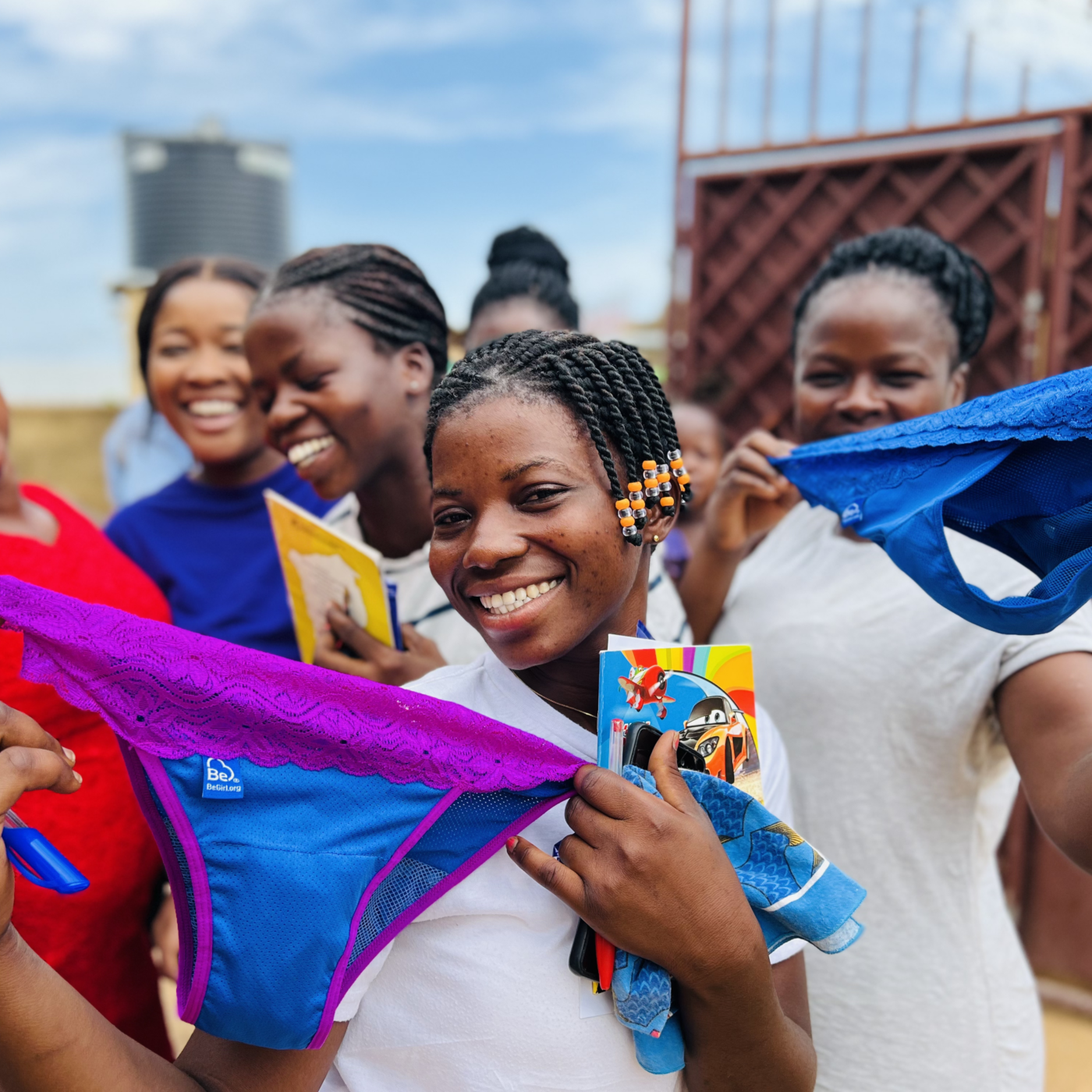
1M+ reusable menstrual products distributed and 500,000+ adolescents reached with menstrual health education
1k+
young adults trained as facilitators, delivering peer to peer menstrual health education to adolescents
3+
national menstrual health curricula adopted (Angola, Mozambique, Côte d’Ivoire, with Zimbabwe also in progress)
8
impact studies generated to build evidence and inform advocacy and investment in menstrual health across multiple countries
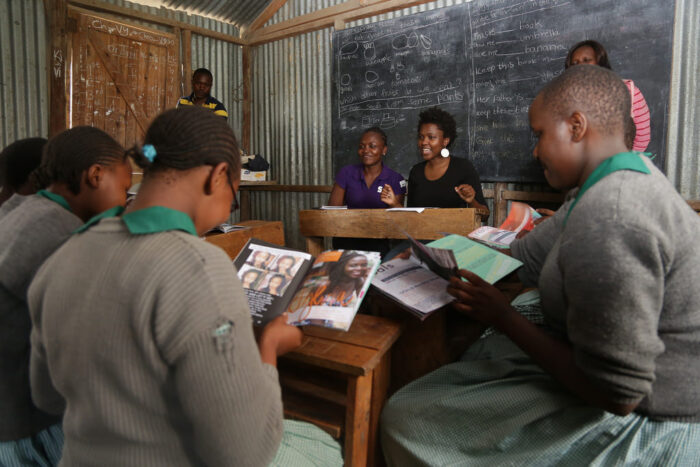
In 2010, while on a practicum in Uganda, industrial designer Diana Sierra watched girls miss school when their periods started. With only a chalkboard for lessons, anything covered in the class was wiped clean by the end of the day. Over time, missed days became permanent learning gaps. Girls fell further behind every month because they had no effective way to manage their periods.
This experience shaped Diana’s next chapter. In 2014, she founded Be Girl to elevate menstrual health from an overlooked issue to a national priority across countries in Africa.
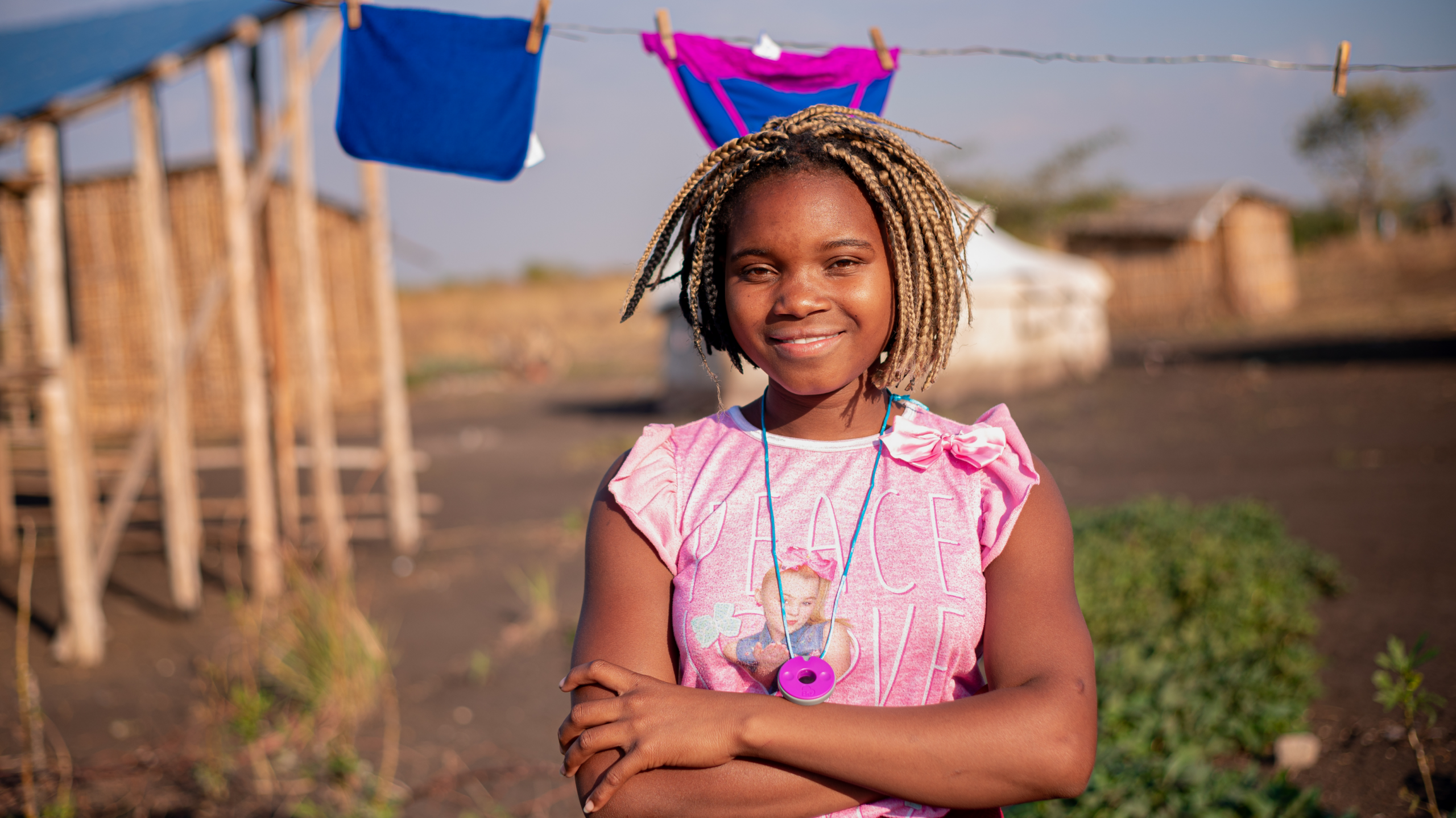
Initially, Be Girl focused on designing appealing, cost-effective reusable sanitary pads and building a distribution business model. But user feedback made it clear that a product alone wouldn’t tackle the economic losses, missed school and health risks caused by period poverty, stigma, and inadequate sanitation.
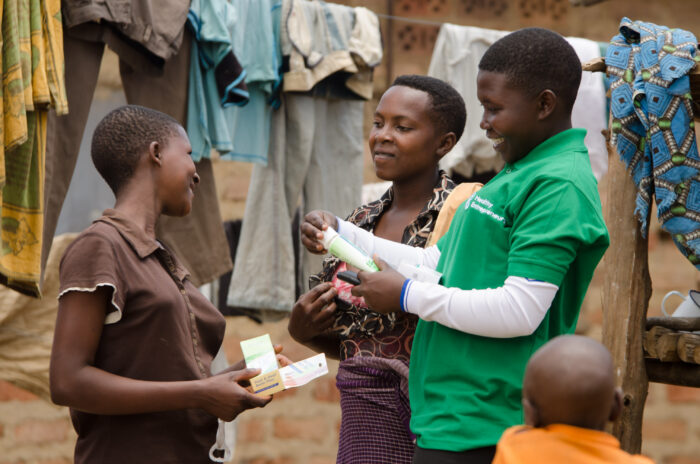
In response, Be Girl evolved their approach and integrated product, curriculum, training and technical assistance into a single model that meets an array of needs:
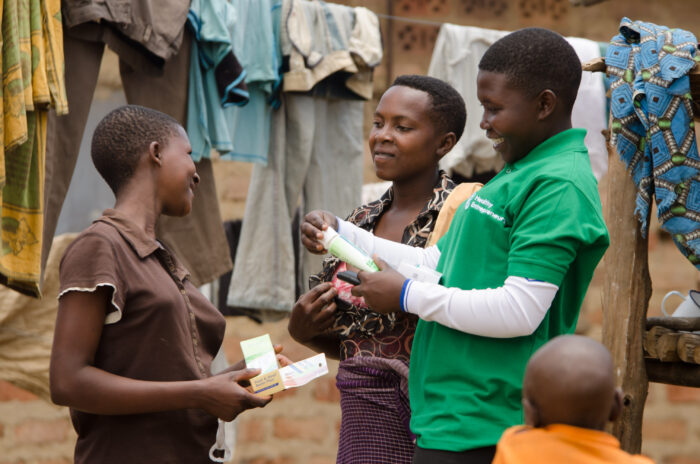
- Girls need age-appropriate menstrual education to understand their bodies
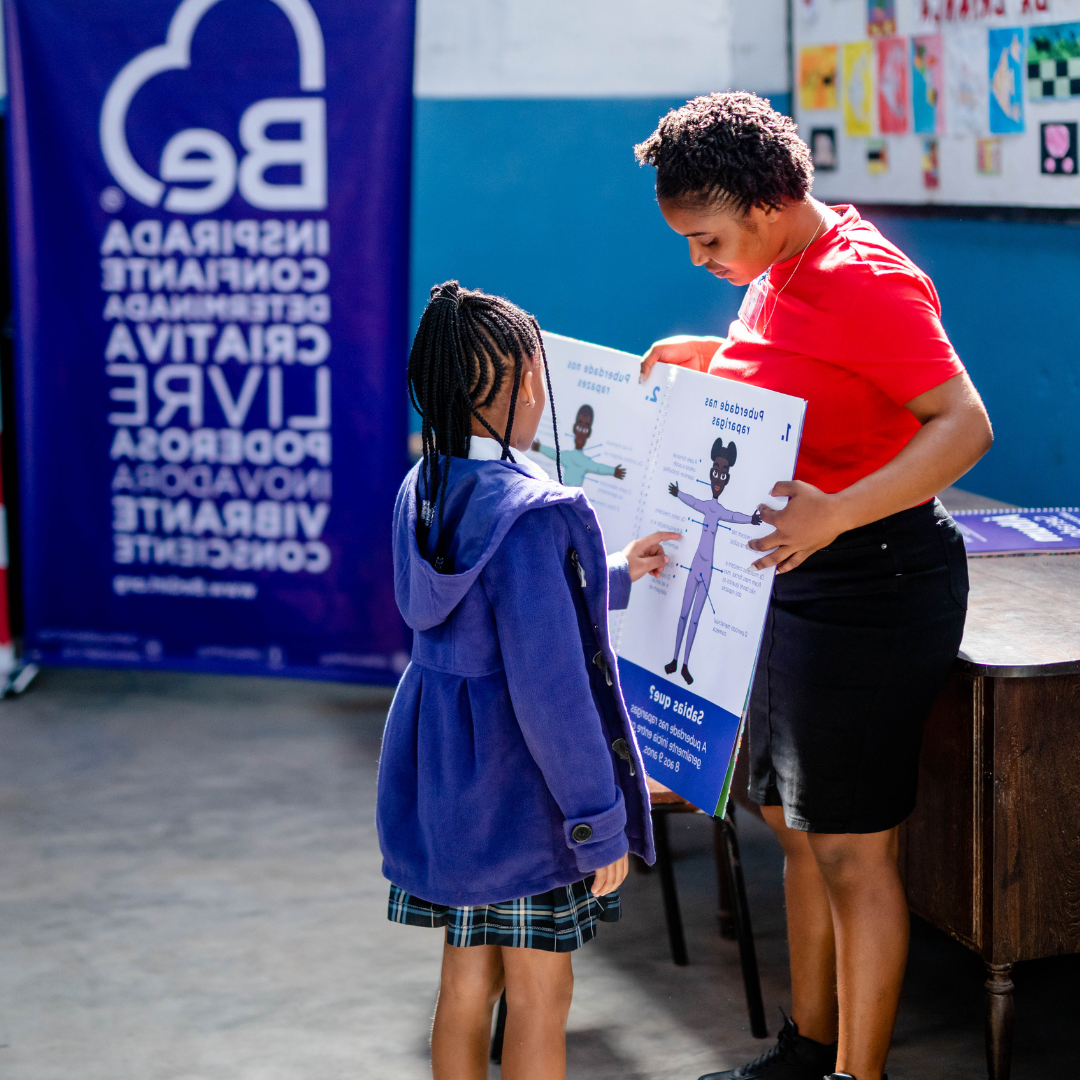
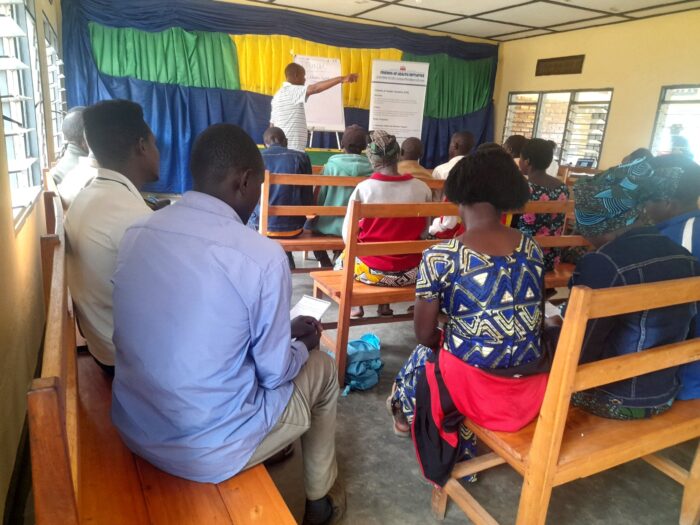
- Teachers need tools to deliver menstrual health education
- Governments need technical support to integrate menstrual health into national curricula
- International development organizations, bilaterals and multilaterals need a partner who can supply products, deliver training, and manage logistics
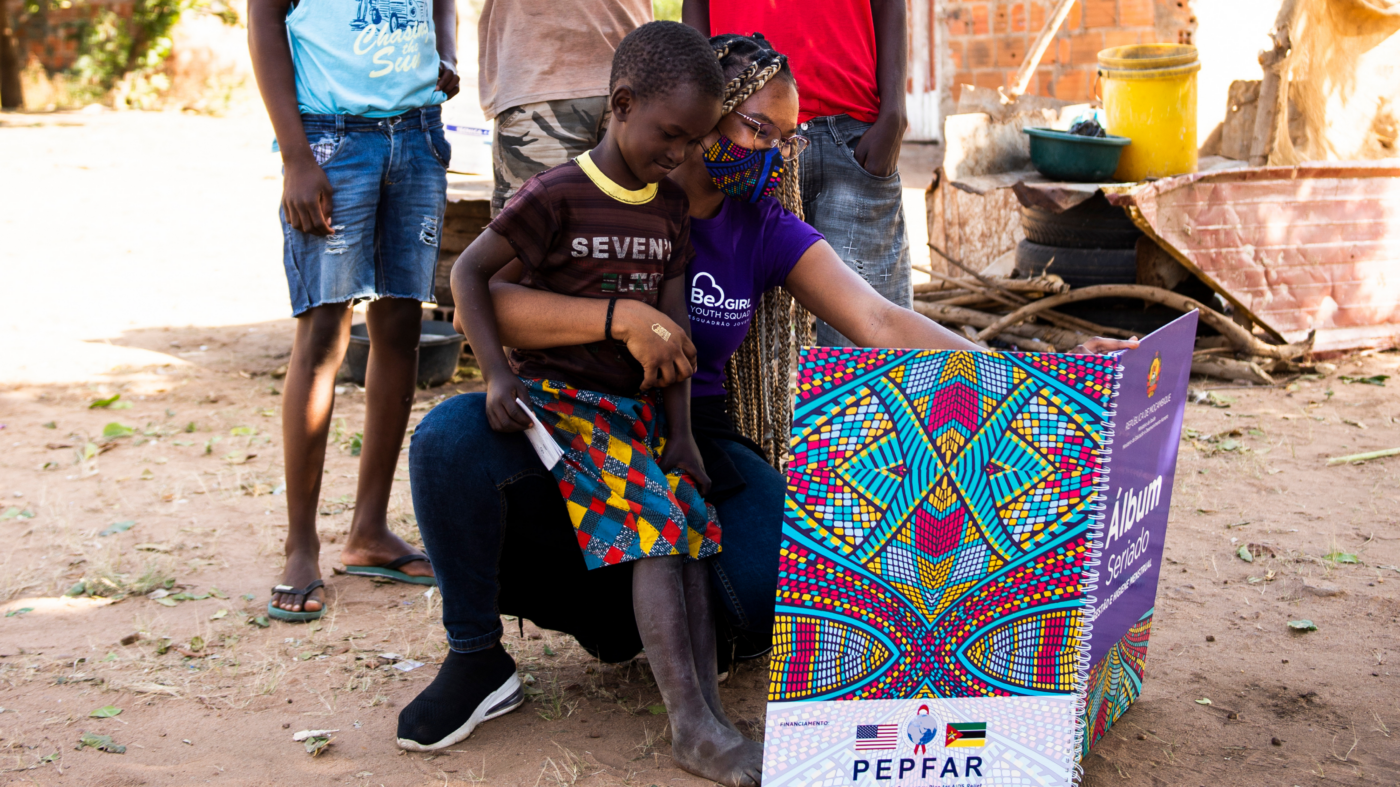
Be Girl’s menstrual health curriculum was adopted nationally in Mozambique, supported by the President’s Emergency Plan for AIDS Relief (PEPFAR) and the World Bank, in partnership with the government. Since then, they have developed a phased approach for entering new contexts, starting with a pilot to generate evidence and create buy-in and then expanding through ministry programs.
These case studies were developed in partnership with Spring Impact, a global nonprofit helping mission-driven organizations to scale their impact.