







Karma Primary Healthcare
How Karma built a scalable private primary healthcare model for rural India
Enabling over 6 million health transactions across rural India
76K+
People reached through over 76 telemedicine centers
100+
partner-operated Mobile Medical Units across 16 states/union territories
6.2M
transactions to date
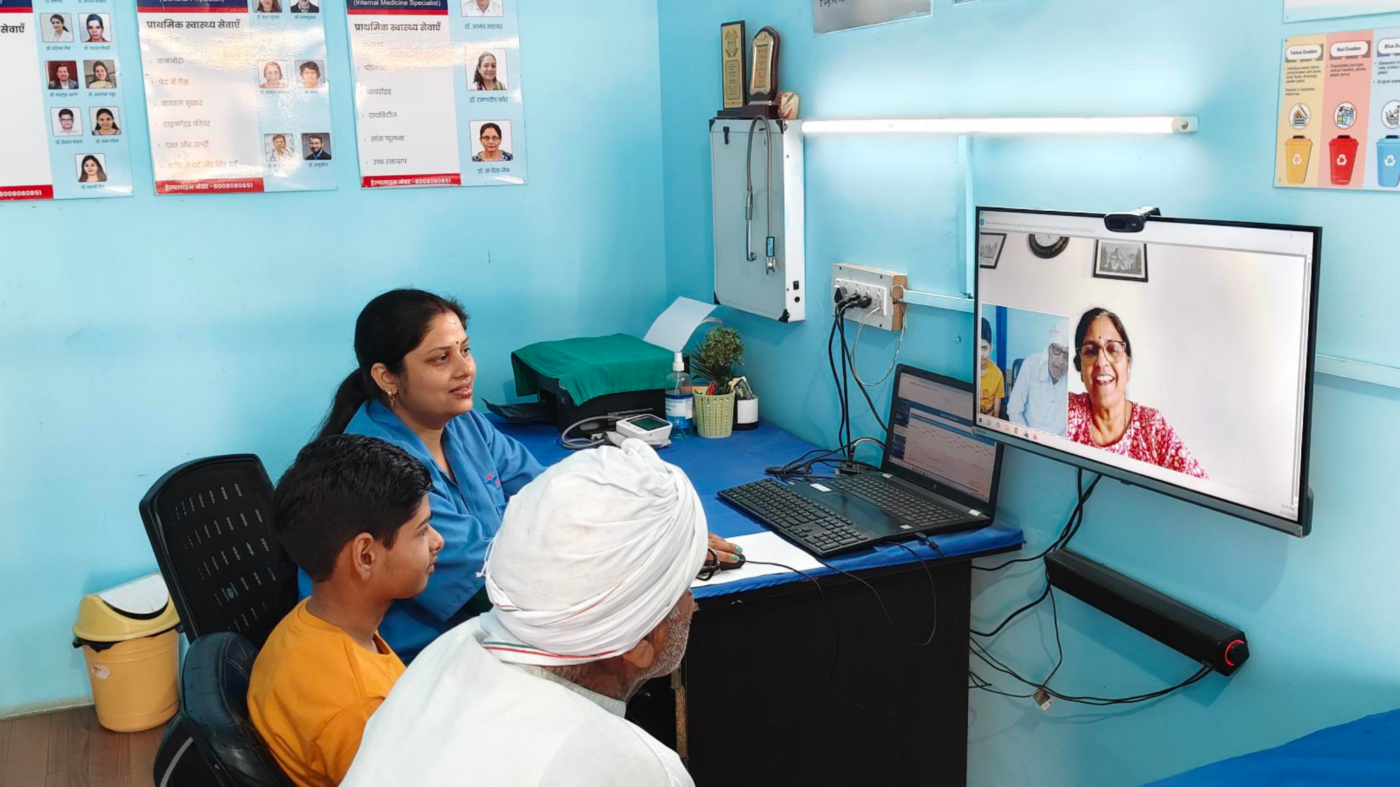
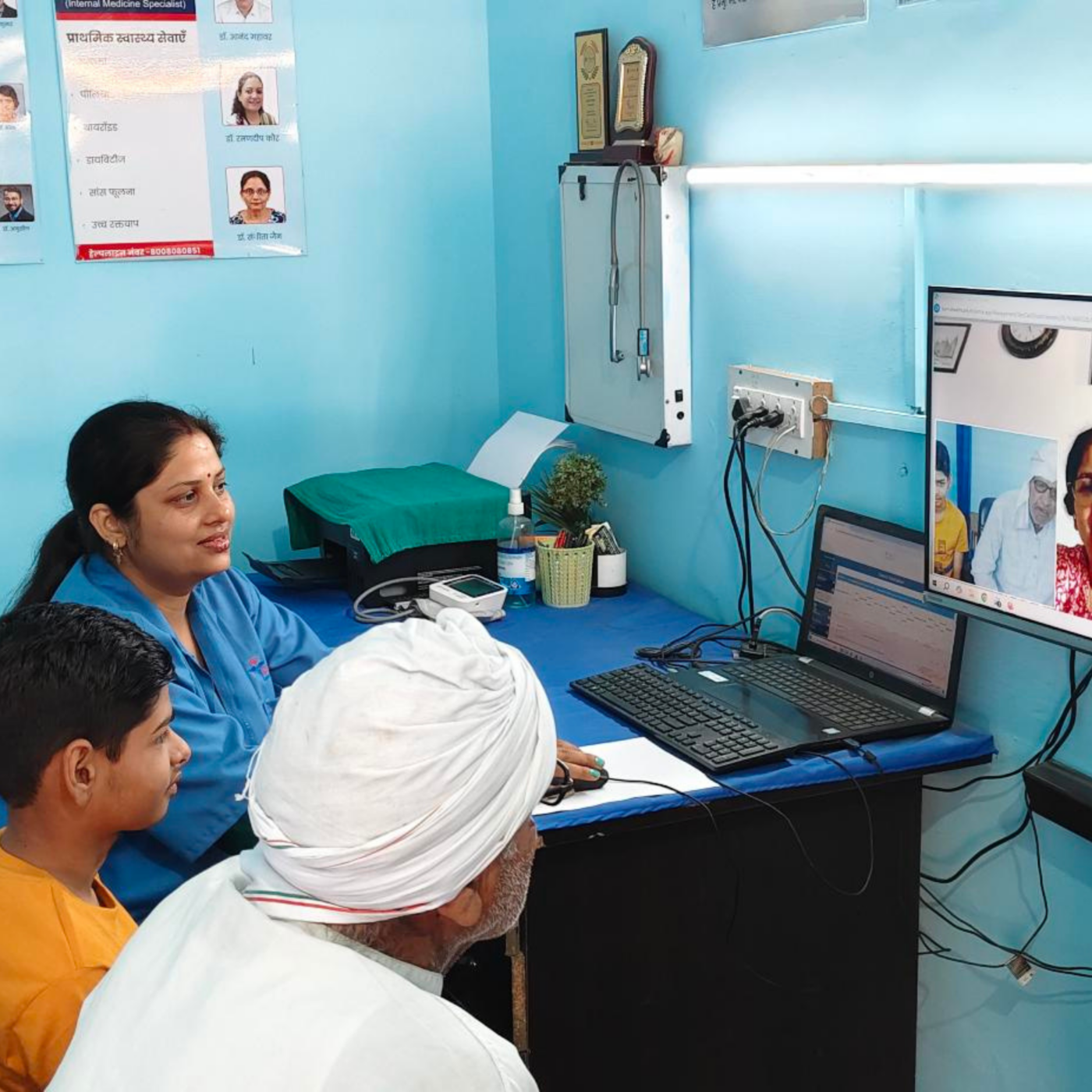
In Bhondsi, a town in the state of Haryana, India, 60-year-old Jagmala used to spend hours travelling to distant hospitals for diabetes and hypertension care. While there, she would experience long queues and high costs. After a Karma e-Doctor centre opened minutes from her home, that reality changed. She now receives regular care nearby. Her health has stabilized, and the costs of treatment are lower.
Jagmala’s experience reflects Karma Primary Healthcare’s breakthrough. Rural India faces significant constraints to the delivery of primary healthcare, including persistent doctor shortages, low trust in formal care, and uneven quality in public facilities.
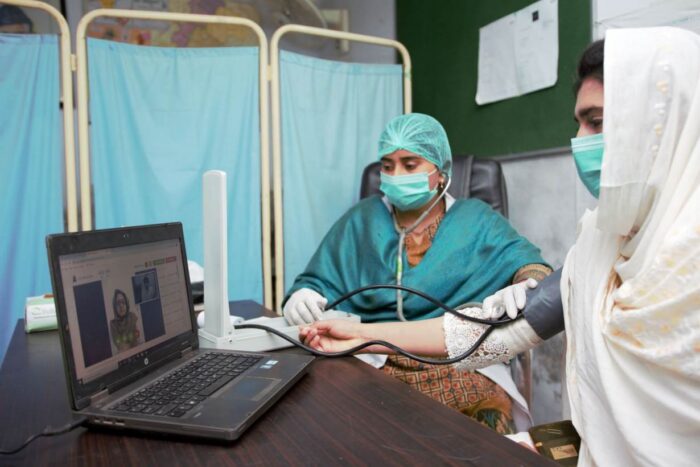
Karma has built a healthcare model that overcomes these barriers. Community-based centers staffed by trained paramedics use a digital platform to connect patients with remote doctors through real-time teleconsultations, while also linking care to patient records, prescriptions, diagnostics, follow-up, and referrals..
Karma’s centers are making timely healthcare more accessible in parts of rural India, bringing care closer to home and reducing the need for long journeys, high costs, and delayed treatment.
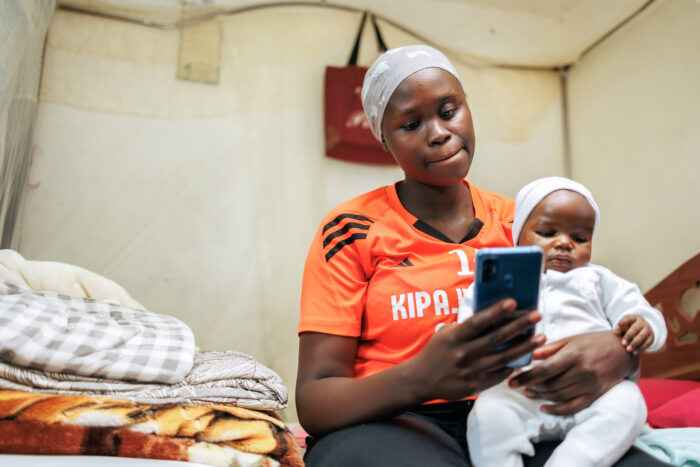
A mother in Rajasthan no longer travels 40 km to consult a gynecologist. A daily wage worker in Gujarat can seek care without losing a full day’s income. A teenage girl in Odisha receives an HPV vaccination without leaving her village or navigating social stigma.
These experiences are not isolated cases, but reflect how Karma’s care model operates at scale.
These case studies were developed in partnership with Spring Impact, a global nonprofit helping mission-driven organizations to scale their impact.