




Here is something I never expected to say – living in Canada prepares you for systems change. The long winters are great practice for the dark stretch where a tremendous amount of hard work is taking root, but nothing has surfaced above ground, and you’re waiting for the first signs of little green shoots to finally push their way up through the dirt. I’m feeling hope when I look out at my window box these days, and even more so when I learn that in the last month, 3 Kenyan counties – Kakamega (the largest), Migori, and Kericho, signed procurement orders for Neopenda’s neoGuard device, as a result of GCC’s ongoing innovation demand generation work, through the Mountain Model.
A quick recap. Since 2021, GCC has been working with Insight Health Advisors (IHA) to support county governments in Kenya across a deliberate sequence: identifying priority areas, finding budget, determining their own criteria for procuring innovations, selecting innovations, and then paying for them. Our core thesis was simple – we fund innovations and hope they get adopted/embedded but we don’t ask government stakeholders what they actually want and have means to procure.
We started with two counties, Kajiado and Makueni, and have since expanded to fourteen counties across the Lake Region Economic Bloc (LREB). Each step in that sequence contains multitudes of stakeholder consultations, working groups, internal advocacy, and through it all, consistent trust, discipline, and relationship building from IHA and the county leaders.
Three Kenyan counties may not make spring, but it is heartening to see an entire government apparatus make real progress towards procuring an innovation on its own timeline, with its own money. Within a year we expect to see innovations procured by a majority (I am going to say 10) of the 14 LREB counties. The Mountain Model was never restricted to GCC-funded innovations, so we are especially thrilled to see Neopenda succeed. This also gives us the unique perspective of seeing convergence between our supply-side funding of the innovation and our demand-side ecosystem work with the government.
A few things are happening here that are worth sticking around to read.
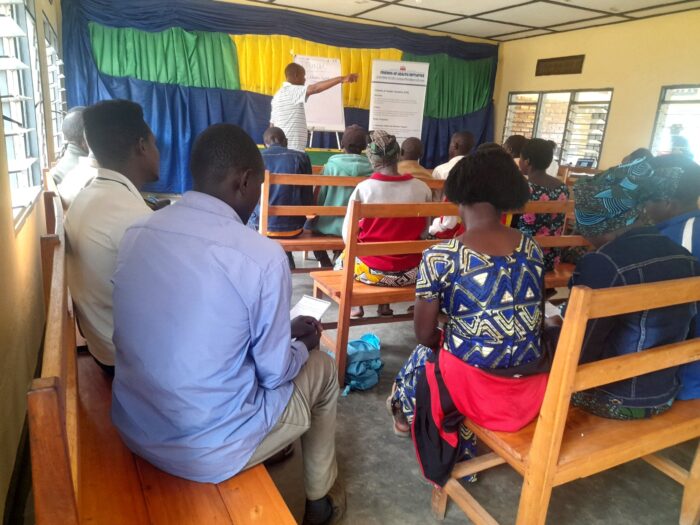
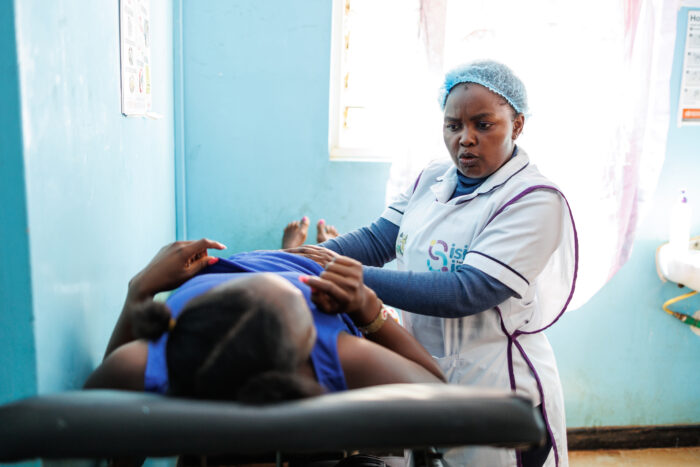
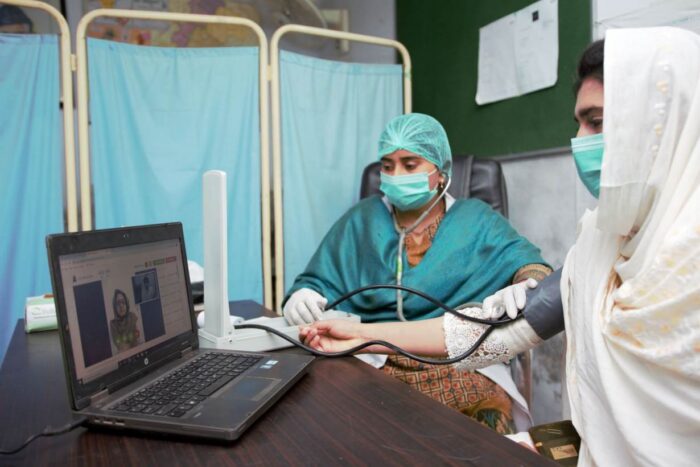
When government stakeholders are given the time to get the right set of people in the room, with their peers from other counties, they show up better aligned and no one is playing broken telephone. For an innovator like Neopenda, this means speaking to stakeholders who have clarity on their own goals, their outcomes, and their financing instruments. Where Neopenda would typically take eighteen to twenty-four months from entering one single county to procurement, all the while finagling the right stakeholders on their own, a structured process like Mountain Model has slashed that conversion time by at least half for each county, and, allowed Neopenda to advance their strategy across multiple counties simultaneously. It’s not just about opening doors but improving the quality and speed of the interactions. Neopenda’s job becomes showing up at meetings and negotiating sales. The platform for engaging the right stakeholders and ensuring their alignment has already been built by IHA.
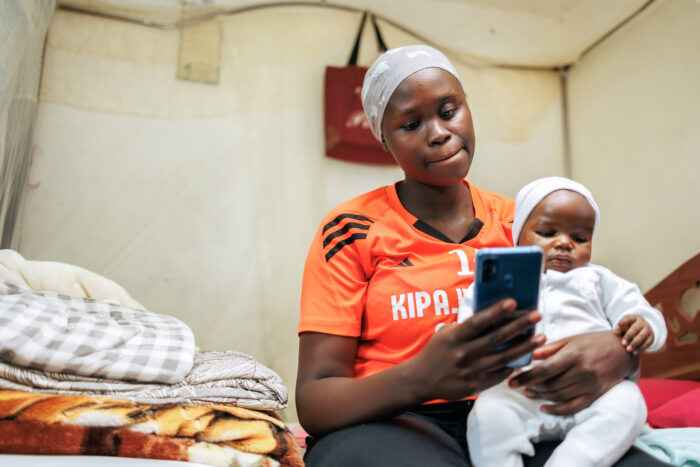
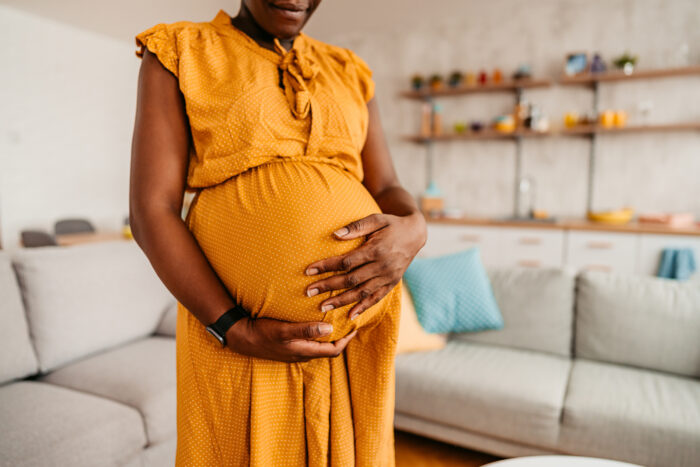
It is also worth looking at what makes Neopenda a compelling example of innovation procurability. When the LREB counties held a call for innovations in May 2025, five other strong innovations made the shortlist (out of 40). Things are progressing for them, and we are watching closely to learn. Note that a big factor in Neopenda’s early success is the urgency of neonatal monitoring, especially in the context of overcrowded and chronically understaffed wards. Saving babies does not need justification, it IS a political win. Beyond that,
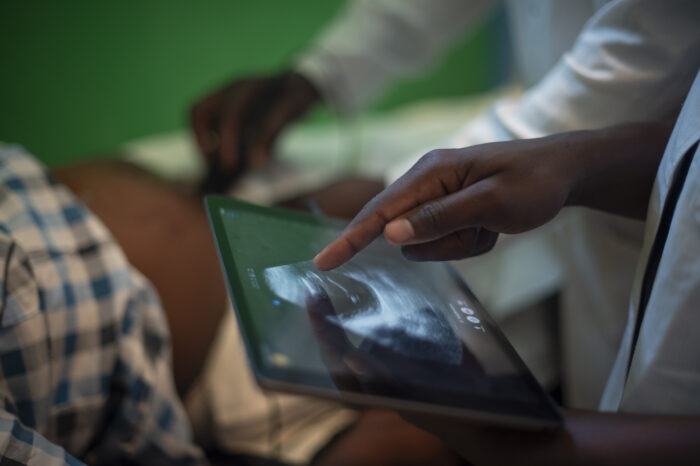
- Neoguard has one-time costs. Counties pay (on time, by the way) and receive the devices and the training. There are no monthly subscriptions, licensing fees, or frequent top-ups, and maintenance costs are limited. This matters because the primary financing instrument counties are using to buy devices is the Facility Improvement Fund (FiF).
- Neoguard was already in use in a handful of facilities in Kisii county, which meant interested county governments could do site visits and get feedback from their peers (known as “benchmarking visits”).
- Demonstrating an innovation’s scalability makes it less risky for governments. A procurement officer who can point to a CE mark, a local team they have met, existing installations they can visit, and a pricing structure that fits their financing instrument is looking at an innovation that has been substantially derisked for them.
Funder cheques typically go to the most pressing line items – staff, program delivery, and manufacturing. But the connective, human work of trust building is expensive. Things break, all the time, as Sona Shah, CEO and Co-founder of Neopenda reminded us, and governments know this. Devices fail, supply chains break. What governments need is reassurance that there are people on the ground who can fix it. Domestic travel, stakeholder meetings, demonstration sites, and communications materials that stakeholders can share internally matter, and reinforcing them is part of what makes procurement viable on the government side. We should not expect innovators to just figure that out or accept it as invisible labour.
This is precisely why the philanthropic community’s role cannot stop at writing cheques. The fragmentation across funders – each with their own geographies, timelines, and priorities – means that the connective infrastructure the Mountain Model provides rarely gets built and rarely gets funded. When philanthropies operate in parallel rather than in concert, innovators are left to navigate a fractured landscape on their own. The question is not whether philanthropy should play a more coordinated role – it is how.
There are easier ways to outsource the government connection – lots of organizations specialise in it, and we too have offered some version of this as venture advisory support to our portfolio organizations. Opening doors, however, is the first step of a very long stakeholder conversion process, and without some resources dedicated towards creating a generative environment for the government stakeholders, you don’t address any barriers – you just ignore them and once again hope innovators figure things out on their own. Yes there are many bad government capacity trainings, and yes measuring the results of this work is hard. We must try anyway because otherwise we are hoping that innovators continue addressing systemic barriers off the side of their desks.
What’s next for the Mountain Model in Kenya, and more broadly for the role that GCC and our partners can play in catalyzing more successes like Neopenda’s are questions we are actively working to answer: What is the right capital stack to unlock even more funding and faster procurement? How do we make this process run across multiple countries? How do we plug this framework into large multilateral programs? These are not rhetorical questions – they are the design challenge in front of us, and they require more than one funder working in isolation to solve.
That is exactly why, over the next few weeks, we are convening a small group of philanthropic and private sector partners. Grounded in country demand signals – the clearest indicator of where coordinated investment can have the greatest impact – the goal is to align around what governments are already asking for, and to collaboratively design the investment pathways that can get them there. If the Mountain Model has shown us what’s possible when government stakeholders are supported to lead, the next challenge is ensuring that philanthropic capital is coordinated, catalytic, and responsive enough to meet that demand at scale. We look forward to that conversation.
Until then, we’ll accept a brief lounge in the springtime sun in lieu of a victory lap.