














We are underinvesting in one of the most important economic assets of our time: the human brain. Brain health conditions already account for roughly 24% of the global disease burden, and anxiety and depression alone cost the global economy an estimated $1 trillion annually in lost productivity. Yet investment in brain capital — the combined value of brain health and brain skills — remains one of the most underleveraged levers for inclusive, sustainable growth.
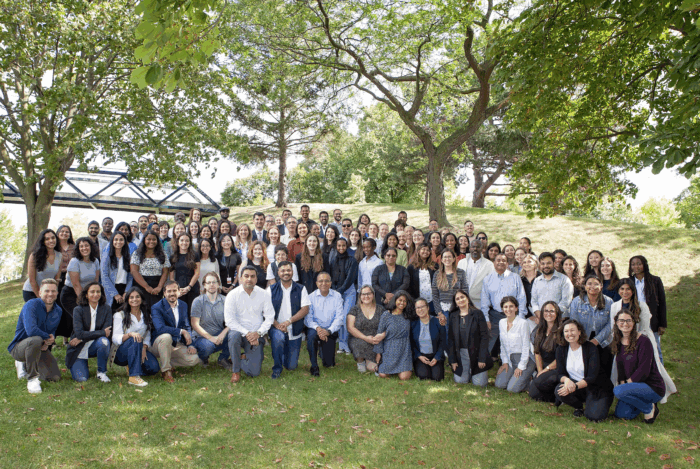
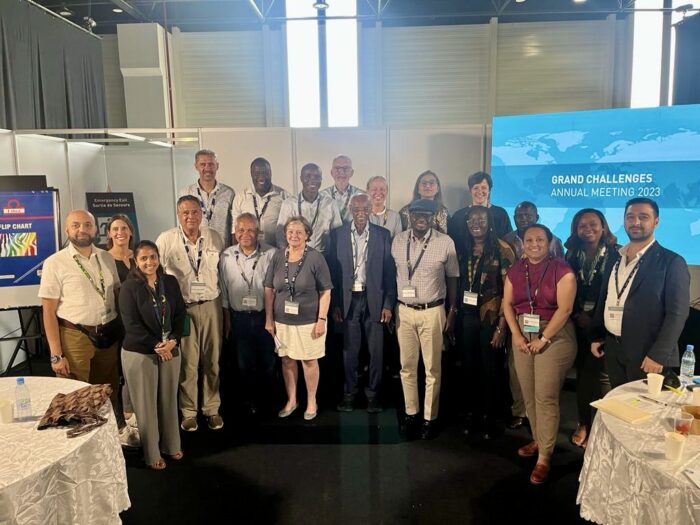
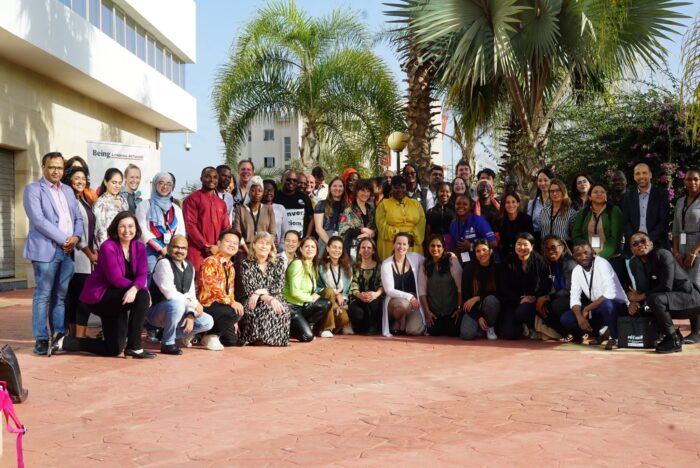
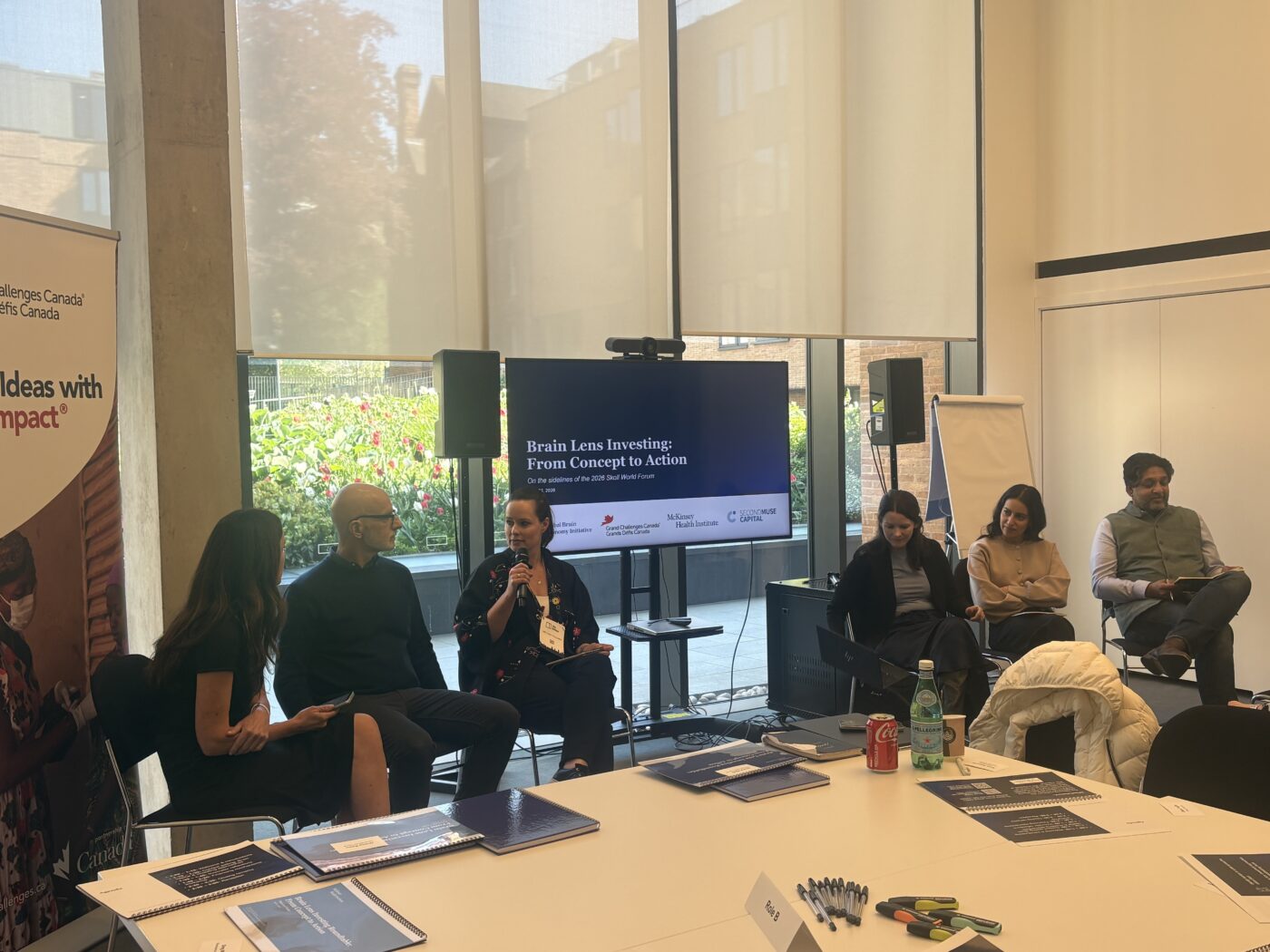
On the sidelines of the 2026 Skoll World Forum in Oxford, we convened a diverse global group spanning sectors and expertise for a roundtable on brain capital: the combination of brain health and brain skills. The discussion explored everything from mental, neurological, and substance use disorders to cognitive and interpersonal abilities, including adaptability, resilience, empathy, and critical thinking.
It became evident early on that there was already broad consensus on brain capital as a strategic economic asset. The harder question — the one we spent the afternoon working through — was this: how do we invest in and build brain capital on a global scale?
A moment of convergence
The stakes have never been higher. AI adoption is reshaping labour markets, demographic shifts are straining health and social systems, and the skills workers need most — adaptability, resilience, creative thinking — are precisely those most threatened by today’s compounding global stressors: conflict, displacement, chronic illness, and climate disruption.
At the same time, advances in neuroscience and a growing evidence base are expanding what’s possible. Analysis from the McKinsey Health Institute suggests that scaling brain health interventions could generate an additional $6.2 trillion in global GDP by 2050. The opportunity is real — but realizing it will require coordinated action across philanthropic, public, and private capital.
Mapping the path from insight to investment
During the roundtable, each group brought a different perspective on what is needed to drive meaningful, collective action on brain capital.
Together, they identified the different roles stakeholders had to play to reduce fragmentation and form a blueprint for collaboration: philanthropy proving what’s possible; public capital de-risking and building markets; impact investors scaling proven innovations; corporations embedding them into their markets; and institutional capital driving wide adoption.
This represents a coordinated approach for brain-lens investing that drives appetite and deploys secure financial pathways for brain capital at scale.
What a scalable “Brain-Lens” investment approach looks like in practice
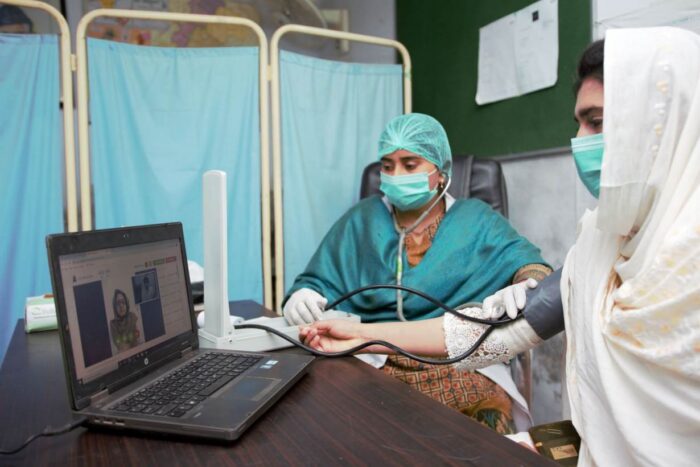
For Grand Challenges Canada, this is not a new conversation. For over 15 years, GCC has been identifying and investing in innovations that support brain capital — long before the field had a name. GCC’s portfolio spans mental health, early childhood development, and the social determinants that shape cognitive health across the life course, with a particular focus on low- and middle-income countries where the gap between burden and investment is most acute.
Two innovators from that portfolio shared their stories during the roundtable:
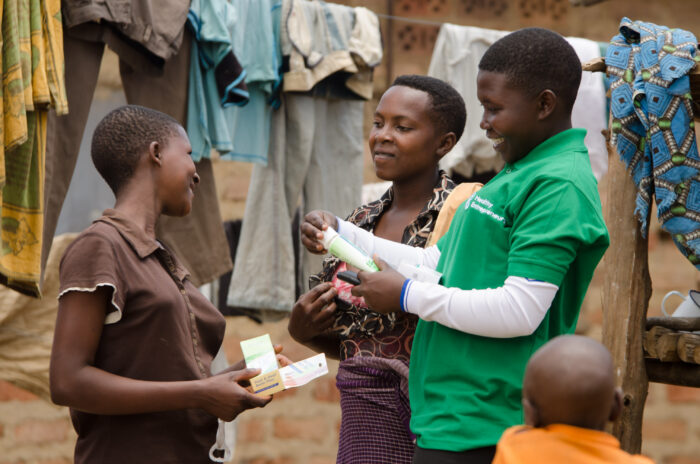
- Sean Mayberry from StrongMinds shared the trajectory of his organization’s scaling journey and the intentional strategy to drive the cost per patient down as a lever for public-sector adoption. Affordability, he argued, is not just an operational goal; it is a market-making move. When mental health interventions become cheap enough for health systems to absorb, they stop being charitable exceptions and start becoming infrastructure.
- Emma Caddy from Tiny Totos brought a different angle: the private sector business case for early childhood development. Their work explores how investing in innovations that support early brain development creates returns that are both immediate and compounding. In the near term, the evidence is visible in places like Kenya’s tea industry, where ECD interventions have been linked to measurable improvements in workforce productivity. Over the longer arc, the returns are even more striking: for every $1 invested in early childhood development, an estimated $15 is returned to the economy through increased human capital. This is not philanthropy seeking moral credit. It is an investment thesis.
Together, these reflections illustrated a principle that ran through the entire session: brain capital doesn’t come from a single intervention or a single investor. It is shaped across education, health, work, and community – across the entire life course. And the returns don’t just add. They compound.
Next steps for Brain-Lens Investing
With consensus on why brain capital needs urgent action, the next question is: what can each of us do to advance it?
The answers varied by stakeholder type and were deliberately concrete.
- For companies: Build pilots with brain health and brain skills in mind. The evidence base is strong enough to act on, and early movers will define the metrics that come to matter.
- For philanthropies: Fund initiatives focused on brain health that others won’t. The role of risk-tolerant capital is to prove what’s possible, not to wait for proof.
- For Limited Partners: Start asking for brain capital exposure. As one participant noted, the ask itself changes what fund managers track, and what they eventually build.
- For impact investors: Build a pipeline that advances brain capital.
- For public sector actors: continue crowding others in. Visibility of government commitment changes the risk calculus for everyone else.
The systems we rely on — economies, communities, workforces — are only as resilient as the people within them. Brain capital is not a new idea. What is new is the moment: a convergence of evidence, urgency, and capital readiness that makes the cost of waiting harder to justify than the cost of moving.
For GCC, translating this coordination logic into practice means convening local funders, governments, and innovators around regional priorities. It means building the trust and shared frameworks that create the conditions for different forms of capital to flow together toward lasting, place-based impact at scale.
The conversation on Brain-Lens Investing continues as part of the Brain-Lens Investing Work Group, convened by the Global Brain Economy Initiative.