















One million neural connections per second. That’s how fast a human brain develops in the first 1,000 days, a once-in-a-lifetime window for brain development in a person’s life. It’s a period of both enormous potential and vulnerability.
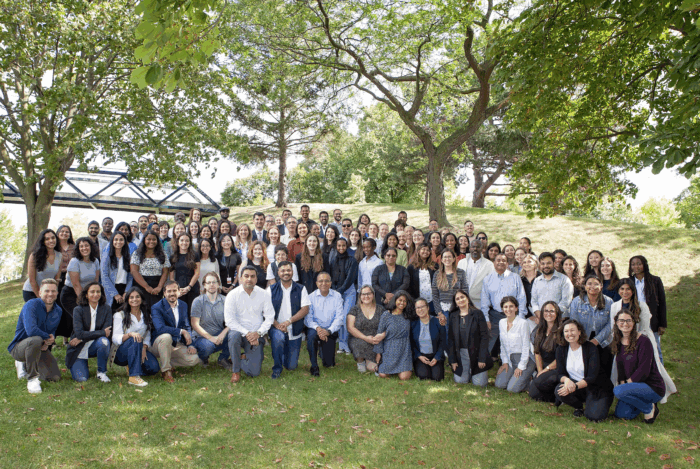
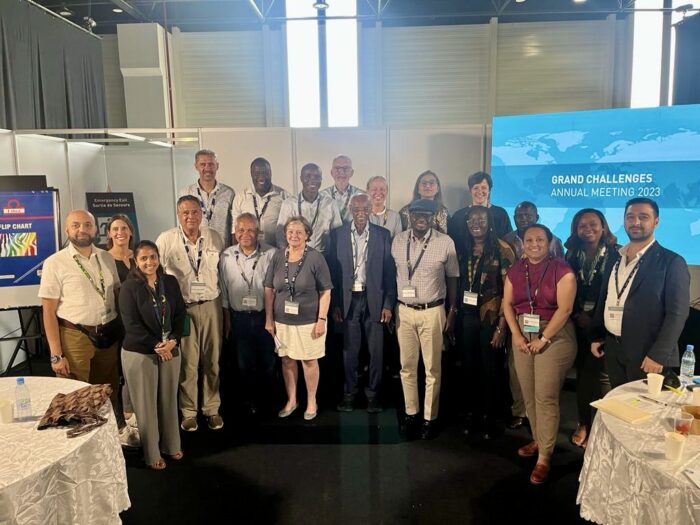
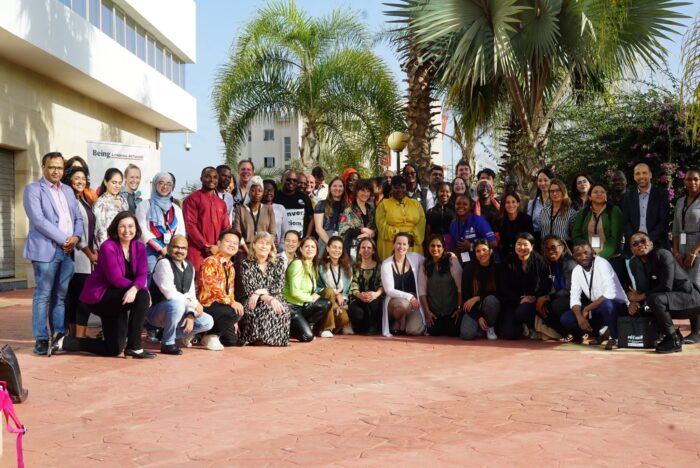
This was the focus of the session I hosted in December 2025 at the International Development Pediatrics Association (IDPA) Congress in Guatemala City. The session brought together neuroscience, early childhood development, and global policy perspectives to explore how brain science is reshaping our thinking about investment, measurement, and intervention.
One in six children worldwide are growing up amid conflict, alongside millions more living in poverty, displacement, and structural inequality. These conditions shape childhood experiences and can alter neural pathways responsible for learning, emotional regulation, and mental health.
Early adversity has lasting impacts, but targeted and contextually grounded early interventions can protect neurodevelopment, buffer toxic stress, and strengthen resilience. At Grand Challenges Canada, initiatives like Saving Brains have shown what is possible when rigorous evidence-backed innovation is paired with long-term systems thinking.
The Brain economy: healthy brains for healthy societies
Our conversations during IDPA focused on the brain economy, a concept that positions brain health and brain skills as core economic and clinical concerns. When early adversity undermines brain development, societies pay the price later through lost productivity, increased mental health burden, and constrained innovation. This has long been a point of contention in the global early child development sector. Beyond the economic imperative, supporting healthy brain development is, importantly, a moral imperative. Every child deserves not just to survive but to thrive in their full potential.
While advances in measurement and global policy are reshaping how we think about early brain development, real systems change depends on approaches that are grounded in community realities. This is especially important for infants at high developmental risk, where early support can profoundly influence lifelong trajectories. One example of this in practice is Baby Ubuntu.
Baby Ubuntu: Community and brain-focused interventions for infants
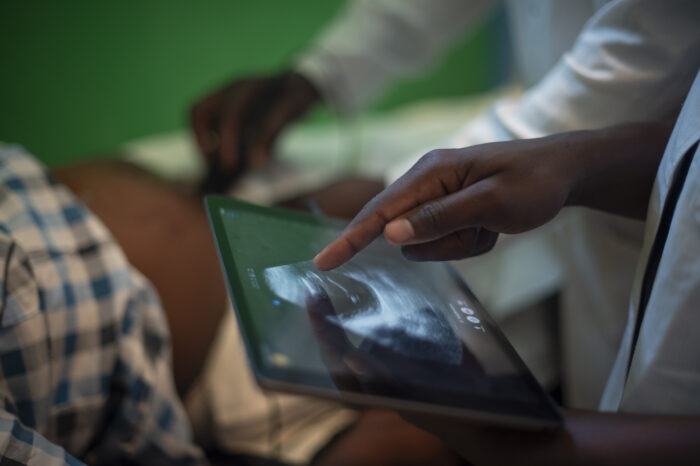
Prioritizing brain health requires knowing how to measure it. Neurodevelopmental assessment advances are making brain monitoring more feasible in low-resource settings. From low-cost neuroimaging to integrated biological and environmental metrics, new tools are expanding what is possible.
However, there is no one-size-fits-all approach. Baby Ubuntu, a community-based, disability-inclusive early intervention for infants at high developmental risk, is an excellent example.
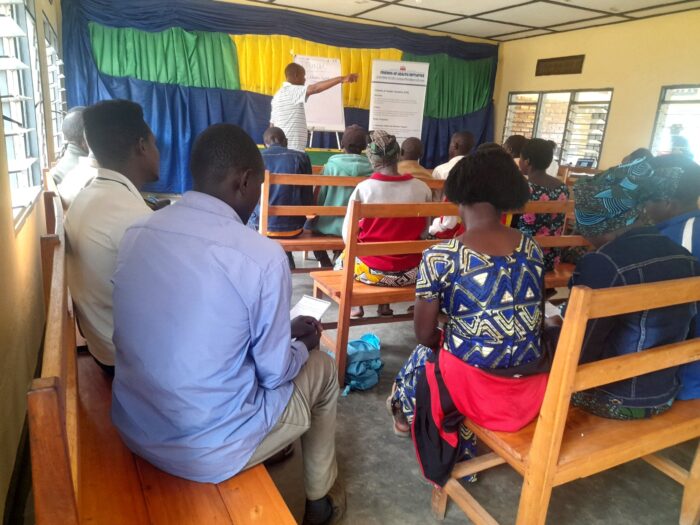
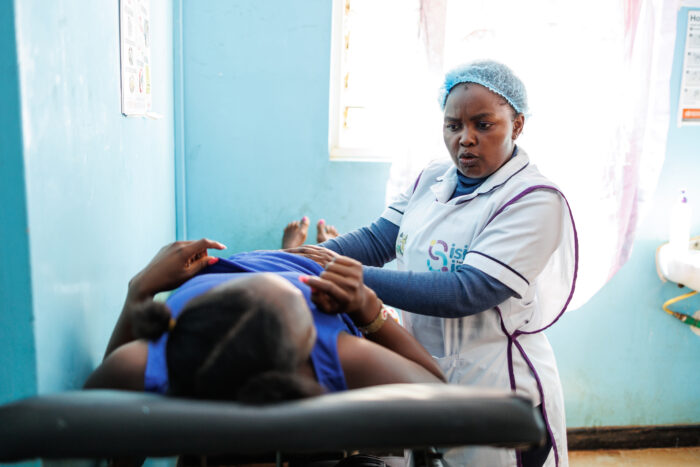
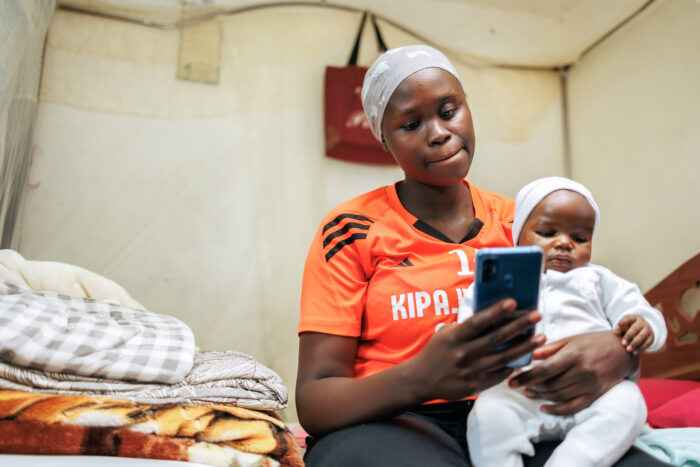
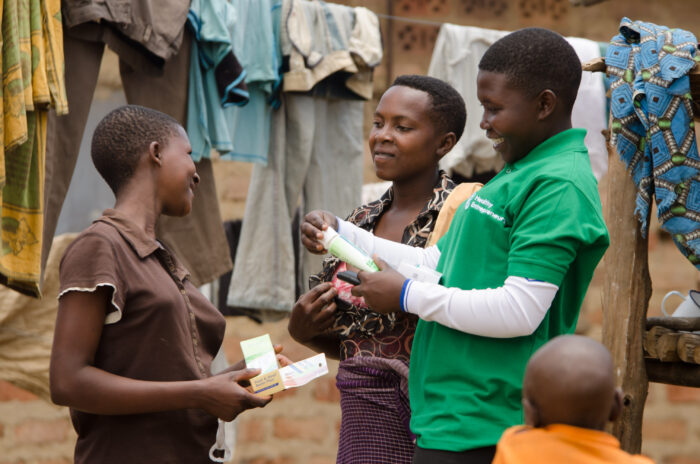
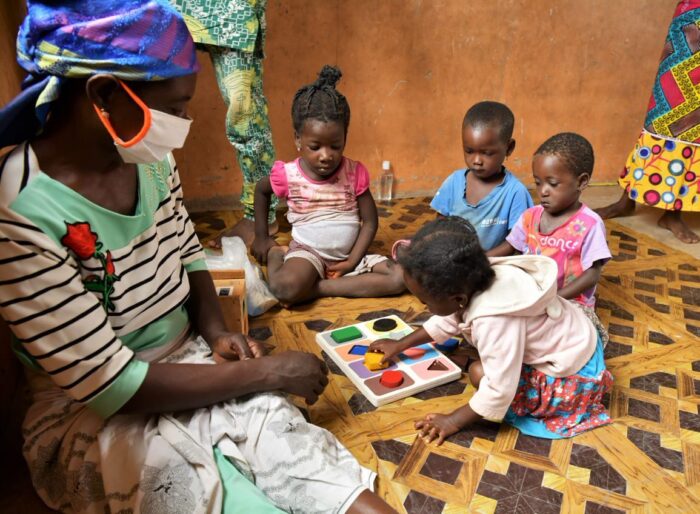
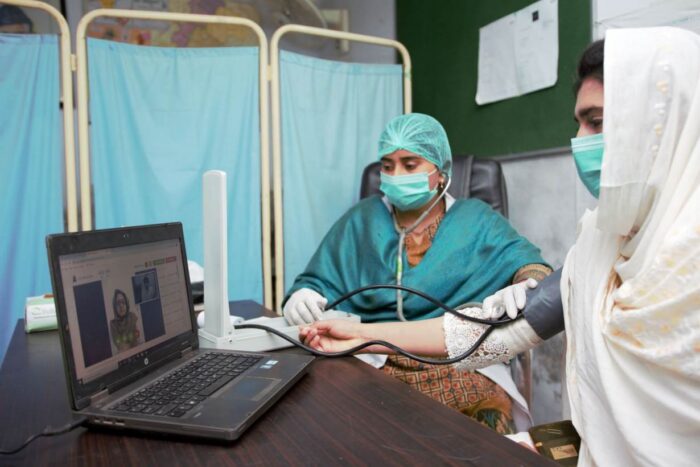
In Uganda, Baby Ubuntu provides emotional and practical support to caregivers of children with disabilities, equipping them with the tools they need to care for their child, all while tackling disability stigma. Its success lies not in high-tech solutions, but in thoughtful design, including caregiver coaching, early stimulation, delivery through community health workers, and deep cultural adaptation.
Evidence shows benefits not only for children’s participation and functioning, but also for caregiver mental health and confidence. The message of Baby Ubuntu’s is clear: disability inclusion cannot be an add-on; it must be central to any brain-focused intervention.
Three key takeaways on early intervention for brain capital: lessons from the IDPA Congress and Grand Challenges Canada
- Early adversity is powerful, but given proper support and intervention, the brain’s capacity for change is too.
- Measurement, intervention, and policy must evolve together if science is to inform real systems change.
- Equity must be foundational. Indigenous children, children with disabilities, and those living amid crisis and adversity must be prioritized.
Protecting early brain development is one of the most morally and economically consequential investments a society can make. Our conversations at the 2025 IDPA Congress reinforced the importance of deliberate, equitable, and early action.
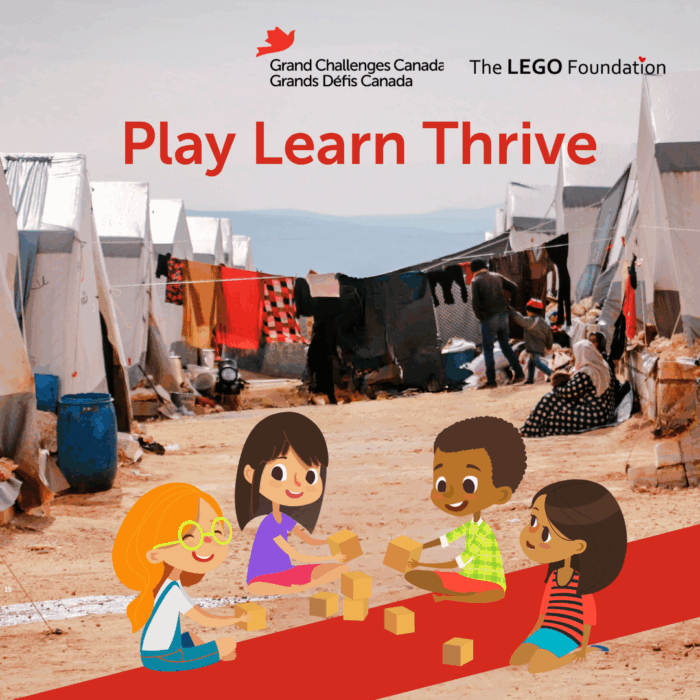
By harnessing lessons from more than a decade of investments under Saving Brains, and the recent launch of Play Learn Thrive focused on children living in crisis and in partnership with The Lego Foundation, Grand Challenges Canada continues to support locally led innovation in this space. We know that science, context, and equity must come together to support healthy lifelong outcomes at scale.