



“Lwala was founded by a community that wanted to address inequity in accessing healthcare services. The nearest health facility was more than 12 kilometres away, and when somebody was sick, or a woman was in labour and needed to access care, it took a lot of effort to get them to that care. And so, they created the area’s first clinic.” – Julius Mbeya, CO-CEO, Lwala Community Alliance.
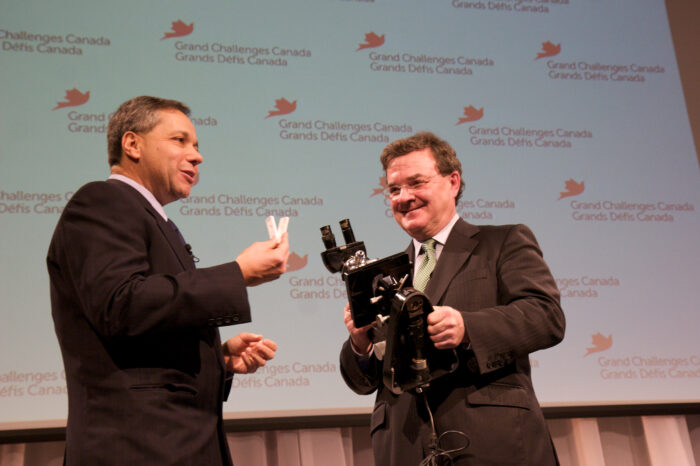
When Grand Challenges Canada (in partnership with the Government of Canada) first supported Lwala in 2020, they were serving just one county of 125,000 people. Now, Lwala is reaching 2.8 million people across three counties in Kenya.
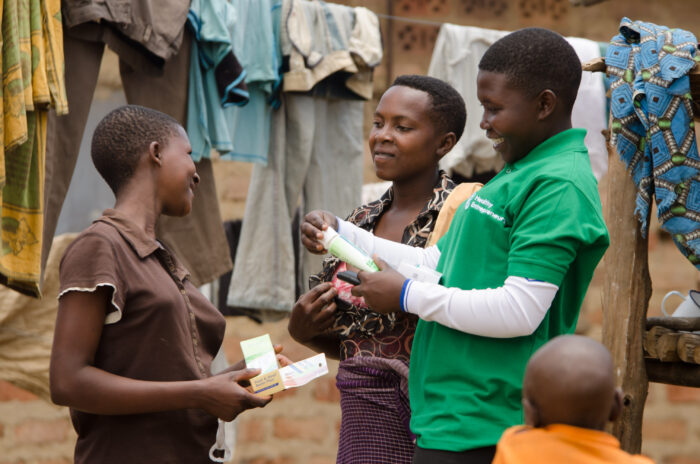
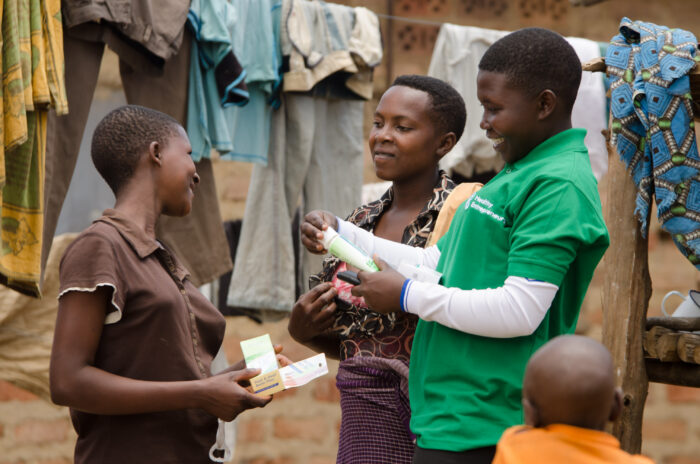
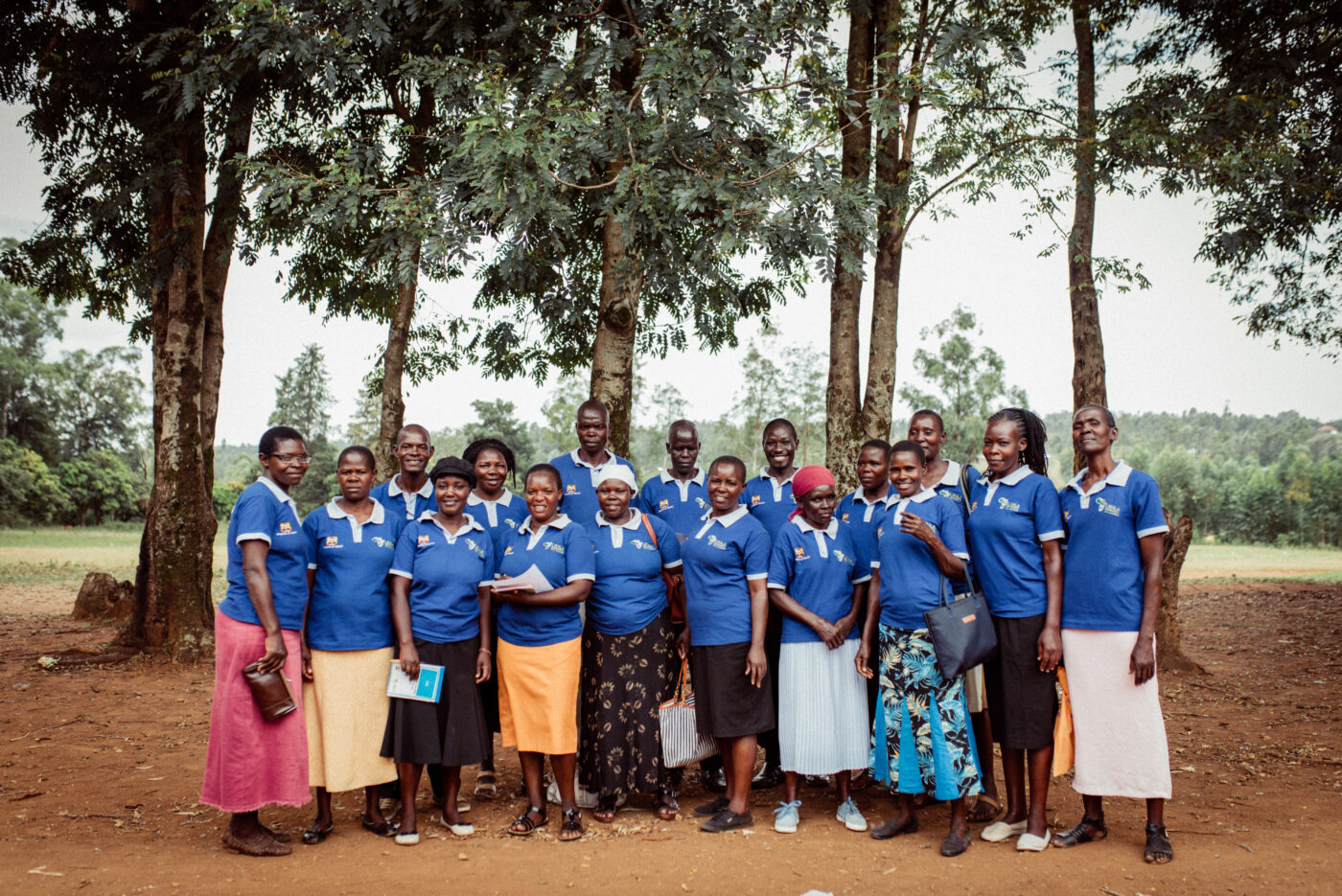
Lwala transforms healthcare through its community-led approach. By professionalizing Community Health Workers (CHWs), Lwala empowers communities to drive their own wellbeing and strengthen the links between communities and health systems. They achieve this by recruiting, training, supervising, and paying CHWs (including traditional midwives and government health volunteers) to deliver dignified health services, and partnering with public facilities to improve quality, governance, and accountability.
A county-wide strategy rooted in local leadership
Healthcare in urban cities often benefits from dense infrastructure and access to hospitals and specialized care. In contrast, rural areas face significant barriers to healthcare access, with fewer facilities and longer distances to them. This is where community-led solutions become crucial.
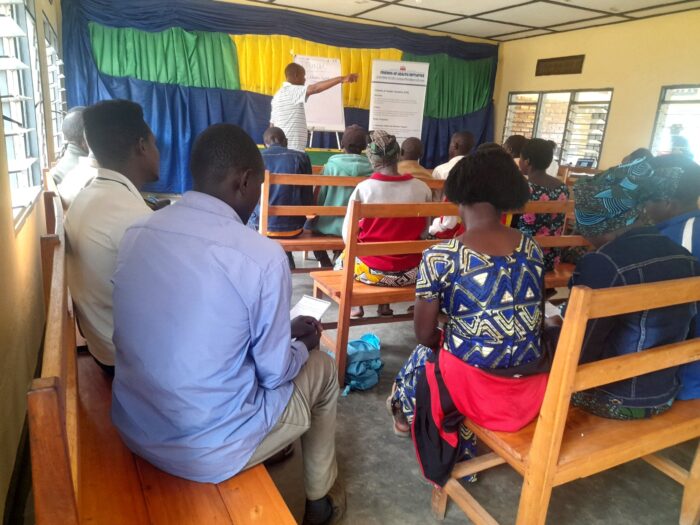
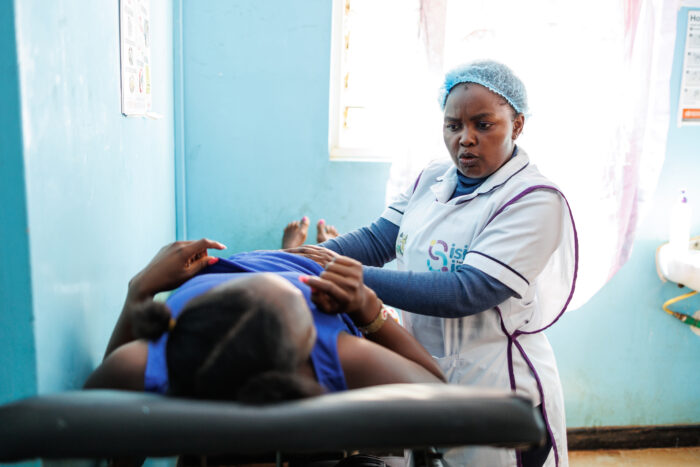
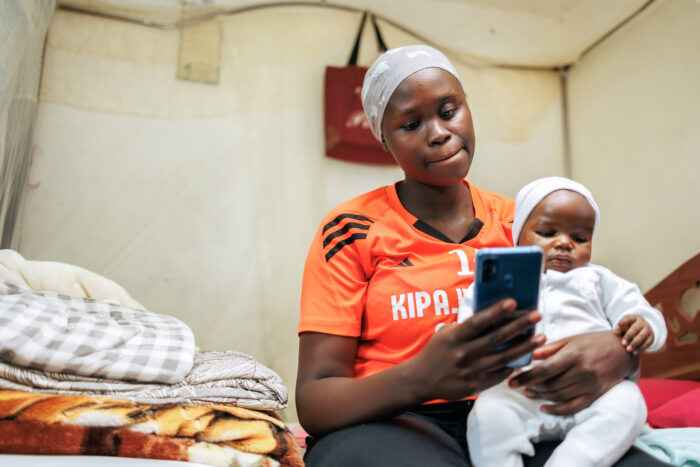
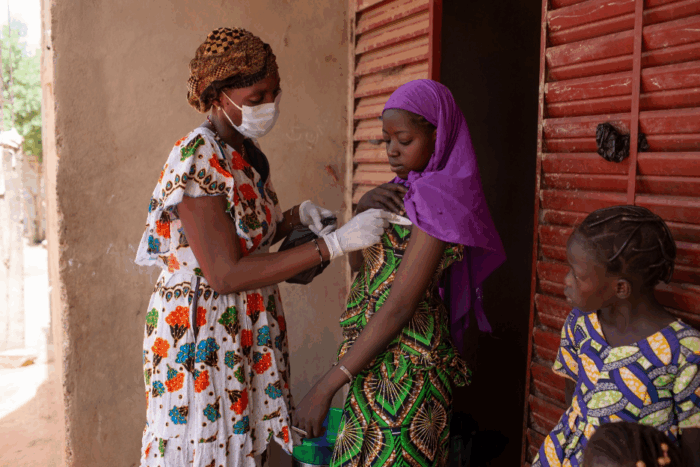
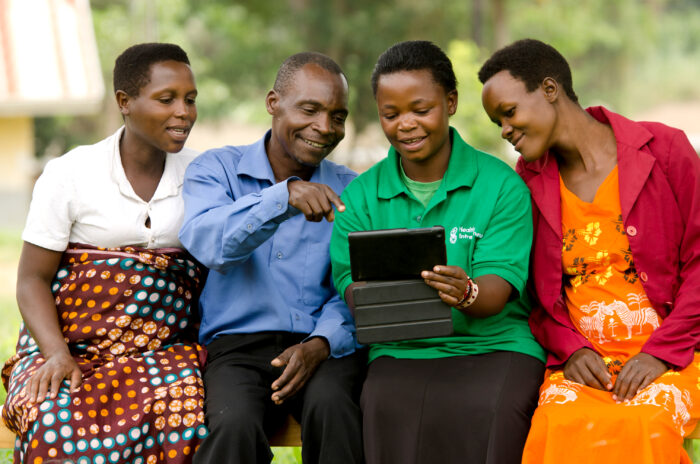
Through Lwala’s approach, local communities lead in designing, delivering, and sustaining care. Community Health Workers (CHWs) are central to Lwala’s model, as they bridge the gap between in-home care and the formal health system. They provide reliable, essential health services, including maternal and child health, disease prevention, and treatment of minor conditions, directly to people in their own homes. Their presence reduces barriers such as long distances and costs, ensures timely referrals, and enhances the sustainability of care, particularly for women, newborns, and children, ensuring that rural communities can access healthcare.

Lwala also works with Community Health Committees (CHCs) to enhance the capacity of community health initiatives. These CHCs connect communities to the health system. CHCs are comprised of local leaders who identify and assess the needs and capacities of community-led care and hold the government accountable by advocating for resources and reform. They also design and implement their own solutions to local health problems.
“CHCs are the vital link that connects communities to the health system,” says Joseph Odero, the CHC Chair of Kanyasa Ward in Nyatike. “We help people take charge of their health, hold systems accountable, and promote high-quality health care for all.”
Additionally, Lwala supports government health facilities by providing on-site quality improvement support and technical training through evidence-based clinical packages that are tested at their community hospital, an innovation hub for scaling proven approaches.
Lwala’s community-led approach is delivering remarkable outcomes:
- Women in their program areas are now 2.6 times more likely to use modern contraception.
- Antenatal care attendance has reached 97%.
- Children are now three times more likely to receive timely care when they are sick.
Reaching 2.8 million people in 2024 alone, Lwala is expanding its vision to transform Kenya’s health system for all 50 million people by 2028.
Strategic scaling across Migori County
Originally operating in Migori County, Lwala has expanded into additional counties in Kenya, including Homa Bay County and Baringo County, with the goal of covering more areas across Kenya and beyond.
With Transition-to-Scale (TTS) funding by Grand Challenges Canada (GCC), in partnership with the Government of Canada, Lwala has been able to refine its community-led health model, allowing them to better understand which elements of their approach could be successfully scaled and how to navigate the pathways needed to achieve national impact.
“To be able to advance policy and ensure that the community health system is delivering for the people of Kenya, it means getting support from the Ministry of Health,” says Julius Mbeya, CO-CEO, Lwala Community Alliance. “GCC has helped us refine our model, knowing what can go to scale, and going through different pathways to eventually ensure that our intervention and innovation is going to scale.”
Building on these successes, GCC’s investment supports Lwala’s government-led implementation of community-led health across Migori county, addressing gaps in primary health workforce capacity and the need for a sustainable, scalable model.
Lwala worked with the Migori County MoH representatives to advance a legislative agenda for formal county co-financing of the community-led health model, strengthening both scale and sustainability. They are supporting Migori County in operationalizing the Primary Healthcare Fund, which aims to secure more county funding for the compensation of Community Health Workers (CHWs) and explore revenue from the new national health insurance system to close funding gaps. Lwala is also helping the county establish governance structures, as outlined in Kenya’s Primary Health Care Act, including the County Primary Health Care Advisory Committee, the Primary Care Network Committee, and the Multi-Disciplinary Committee.
“Lwala has been foundational in supporting counties to adapt and implement national policies, strategies, and guidelines. The National Division of Community Health is proud of our partnership with Lwala.” – Dr. Maureen Kimani, Head of Division of Community Health, Ministry of Health.
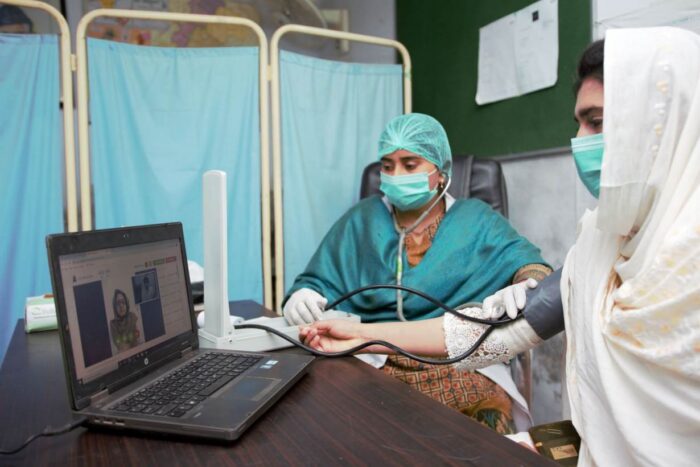
While championing community health reforms, Lwala remains mindful of the need for monitoring and accountability in community health services. To strengthen these efforts, Lwala is partnering with the Kenyan government to deploy digital tools that empower CHWs to manage cases directly on their devices. They plan to aggregate and utilize the data collected from these digital tools to inform more effective strategies across the health system.
Global recognition for community-led impact
In 2025, Lwala Community Alliance was selected as one of the awardees of the Lever for Change Action for Women’s Health grant award, recognizing its community-led health model that is transforming maternal, newborn, and women’s health in rural Kenya.
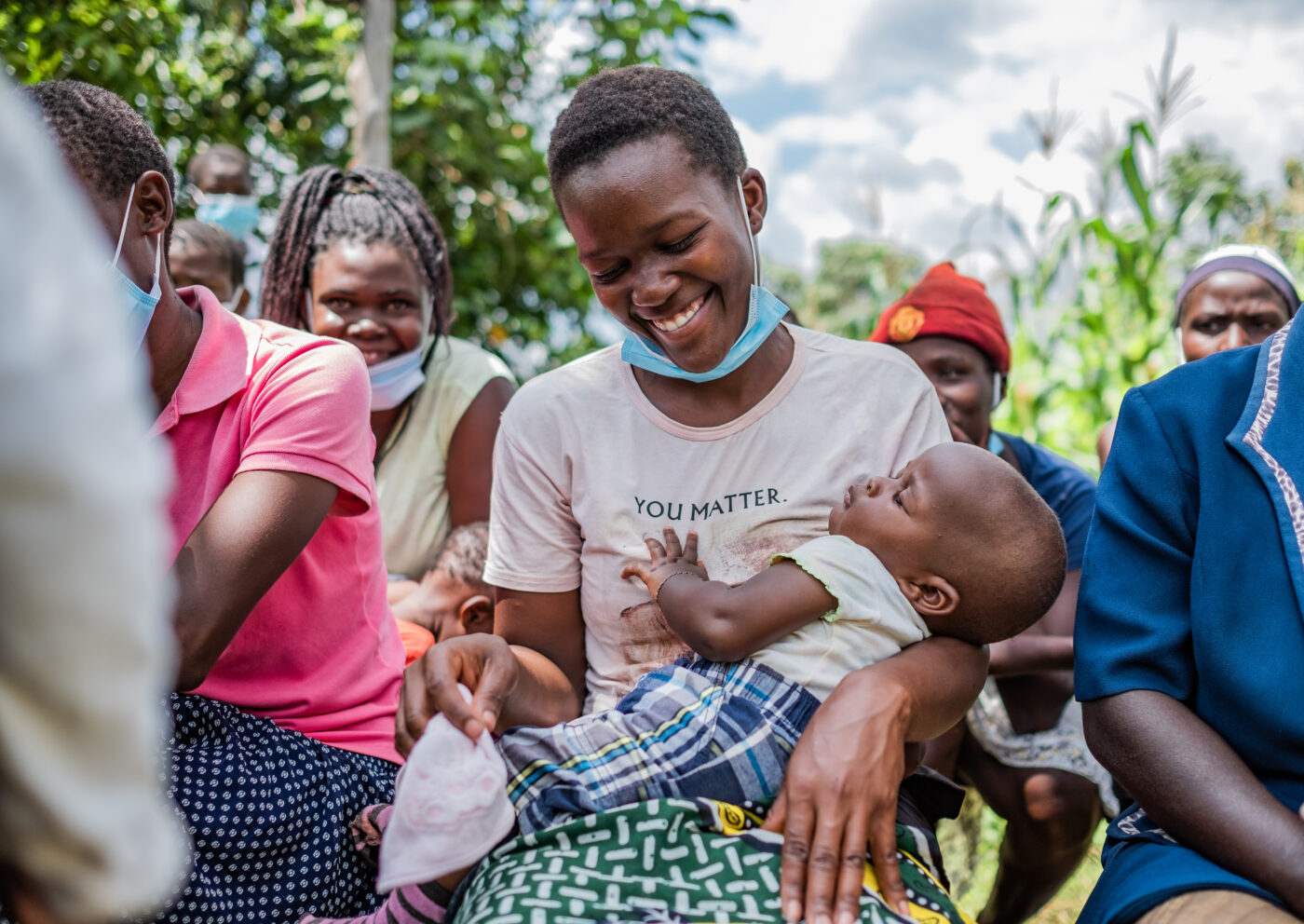
This global recognition highlights how locally led innovation, when combined with catalytic funding and ecosystem support, can spark meaningful and lasting change in the lives of those who need it most.
By strengthening leadership at every level, from community health workers to local health committees, Lwala ensures that solutions are driven by communities themselves, paving the way for improved health systems across Kenya.