





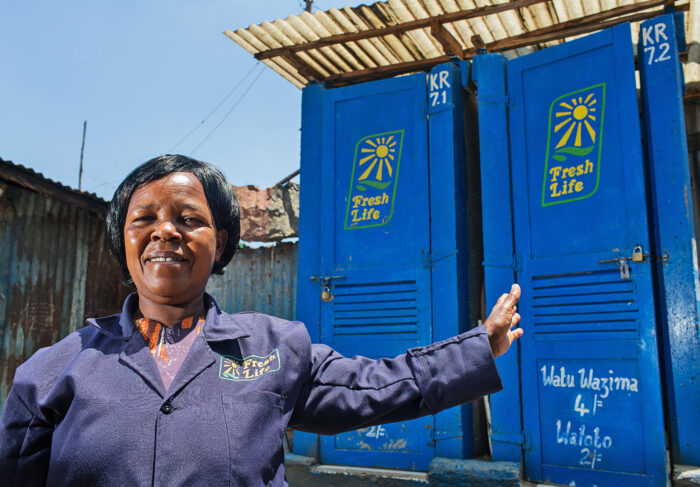





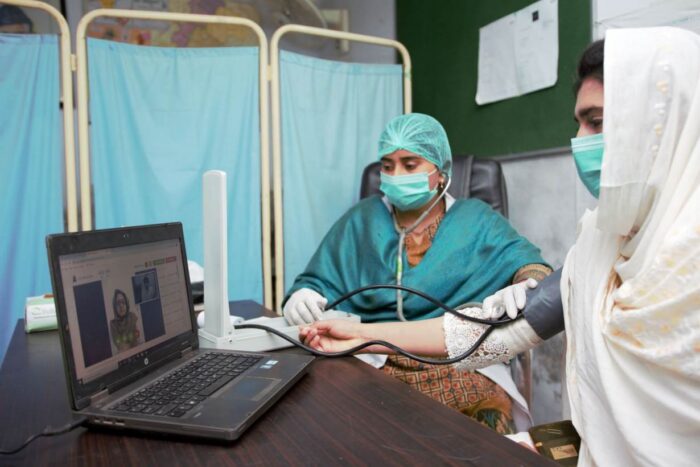
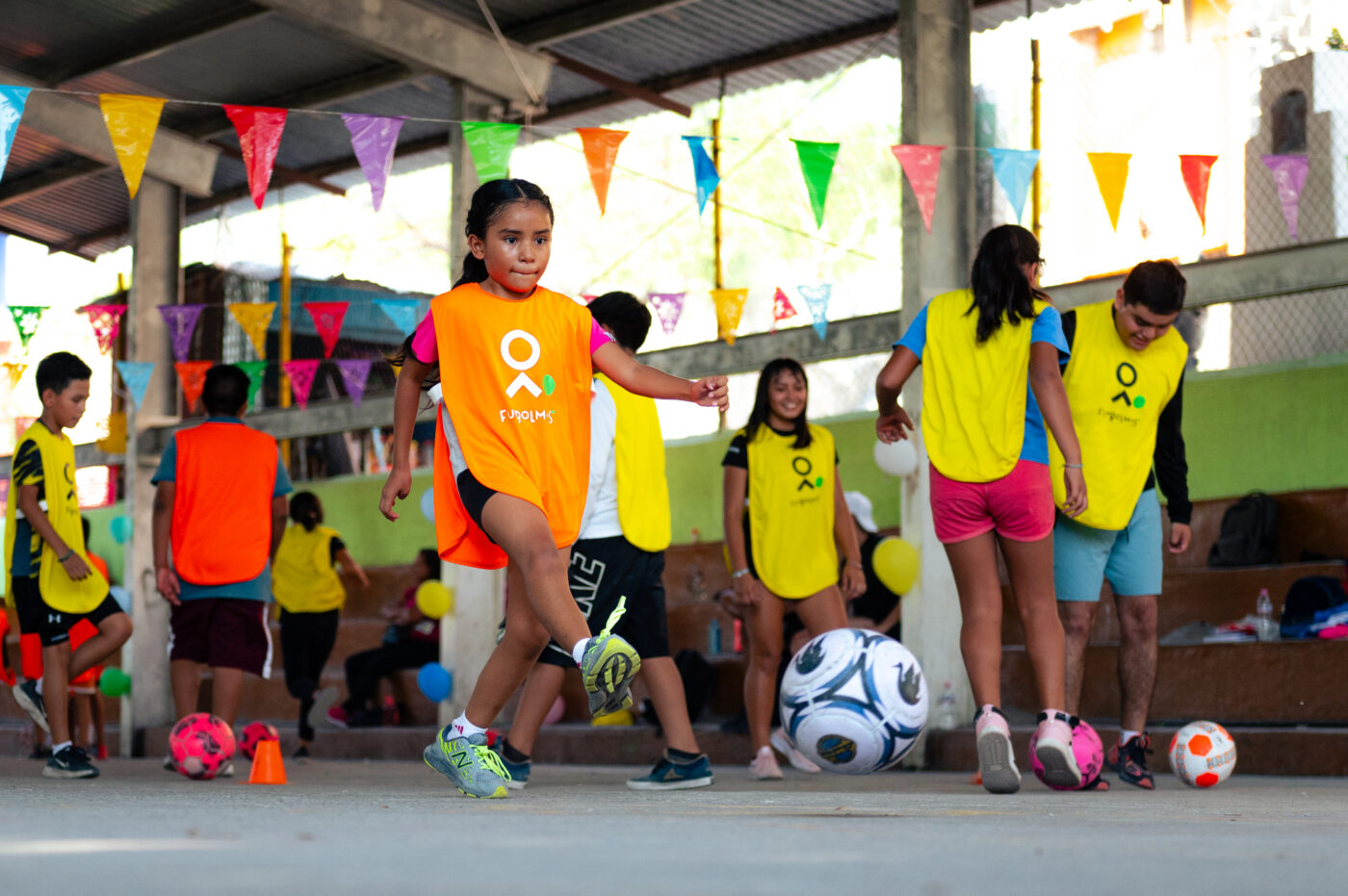
That potential matters more than ever. Young people worldwide are facing a mental health crisis, and in low- and middle-income countries, support is hard to find. Stigma, violence, poverty, and crisis make things harder still. At the same time, growing evidence suggests that sport and physical activity, when designed with intention, can help prevent mental health problems before they start. that sport and physical activity, when intentionally designed, can help prevent mental health problems before they start.
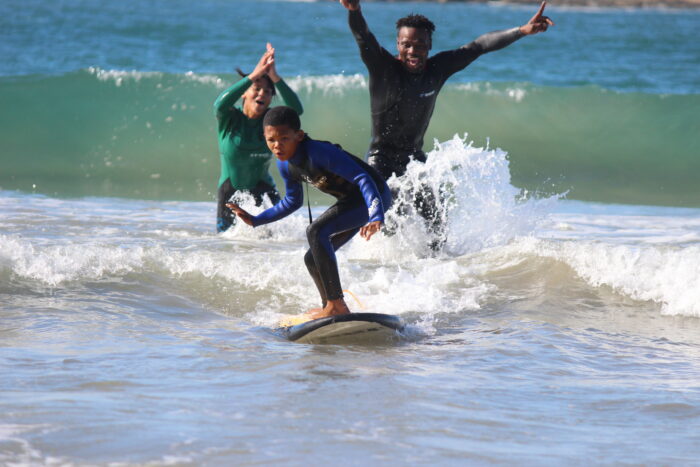
Sport works because it builds on relationships young people already trust: a coach, a teammate, a friend. It creates a sense of belonging, safe spaces, and regular contact with peers and the community.
Through sport, young people can learn to manage their emotions, make healthy choices, set goals, communicate, and work as a team. And because it doesn’t carry the stigma that mental health services sometimes do, sport offers a natural way in, meeting young people where they already are, doing something they already love.
Sport as a mental health solution
Being is currently investing in sport-based innovations across six countries. What’s notable is that even though they tackle very different issues, from stigma to substance use, they all show that sport can address these different challenges while protecting youth mental health.
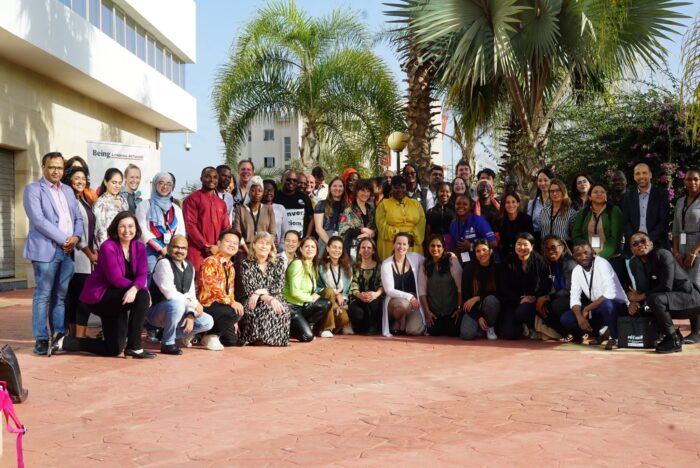
Ahead of the FIFA World Cup final, we had the chance to attend the event “One World, One Game, One Goal” hosted by the UN Youth Office that brought together youth leaders, policymakers, athletes, and partners at the United Nations Headquarters to highlight the role of football and sport in supporting youth mental health and well-being.
Through a spotlight session featuring three innovators backed by Being (led at Grand Challenges Canada) Fundación Fútbol Más, Tackle, and Fútbol con Corazón Colombia, participants explored how sport-based approaches are creating safe spaces where young people feel supported, connected, and empowered across Ecuador, Senegal, and Colombia.
The conversation reinforced a powerful message: football can be a pathway to building community, resilience, and lasting change for young people.
Fútbol Más: Building safe spaces through football
In Ecuador, Fútbol Más uses football to strengthen social and emotional well-being among children and adolescents. Through structural play, mentorship, and community engagement, young people develop life skills, build supportive relationships, and experience safe environments where they feel seen, valued, and heard.
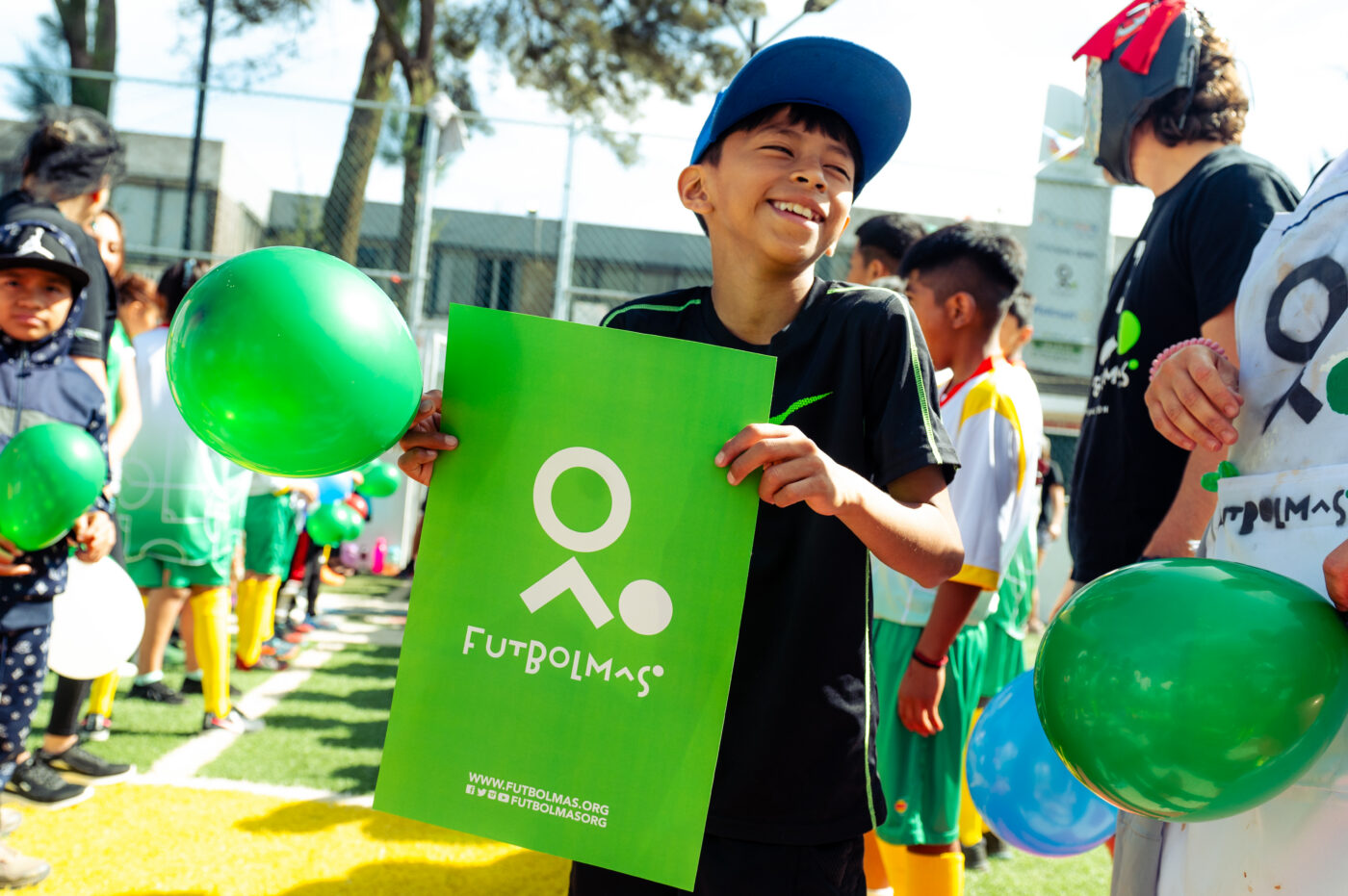
Their “United for Sport and Healthy School Coexistence” program brings sport and play to five schools in Guayaquil, supporting youth exposed to violence. It trains teachers in Sport for Development, integrates life skills into Physical Education, and builds safer school communities through community sport events.
In 2026, Fútbol Más received the Laureus for Good Sports Award presented each year to an organization making a significant contribution to transforming the lives of children and young people through sport.
Fútbol con Corazón: Creating connection and belonging
In Colombia, Fútbol con Corazón uses sport to foster connection, belonging, and emotional well-being among young people facing complex social challenges.
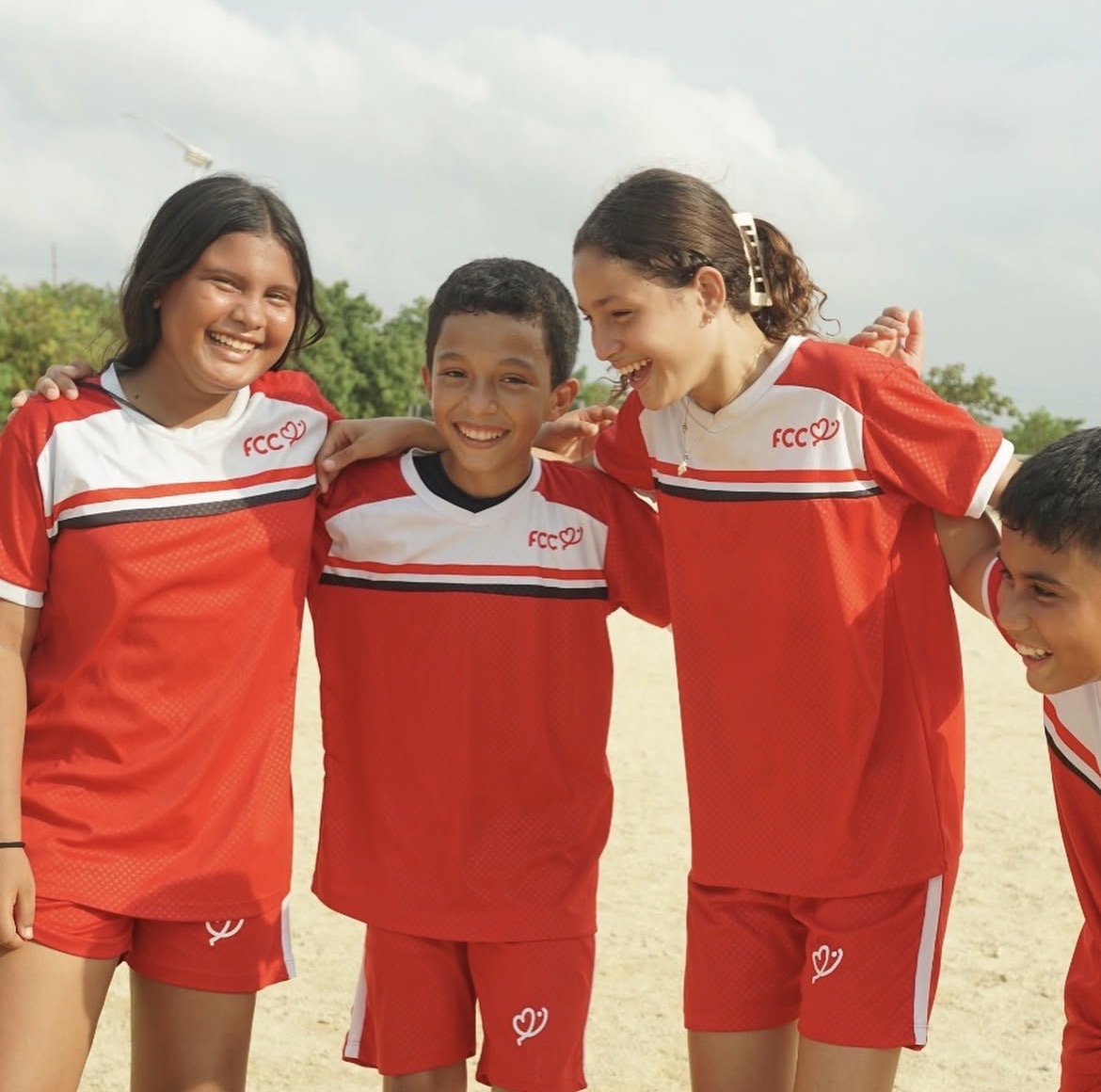
Their “Let’s Play for Baranoa” program uses a curriculum-based approach to football in schools to build socio-emotional skills in youth aged 10–18, including self-esteem, empathy, and conflict resolution.
Pablo Agudelo from Fútbol con Corazón shared during his participation at the UN Youth event that mental health prevention involves approaches that include families and communities where young people live. He added: “There is no magic formula, just listening to communities and building on what’s already there and investing on prevention”.
The program also trains young community leaders, parents, and coaches in mental health promotion and strengthening child-caregiver relationships.
Tackle: Addressing stigma and strengthening resilience
In Senegal, Tackle combines football with mental health education to help young people build resilience, challenge stigma, and create open conversation about well-being.
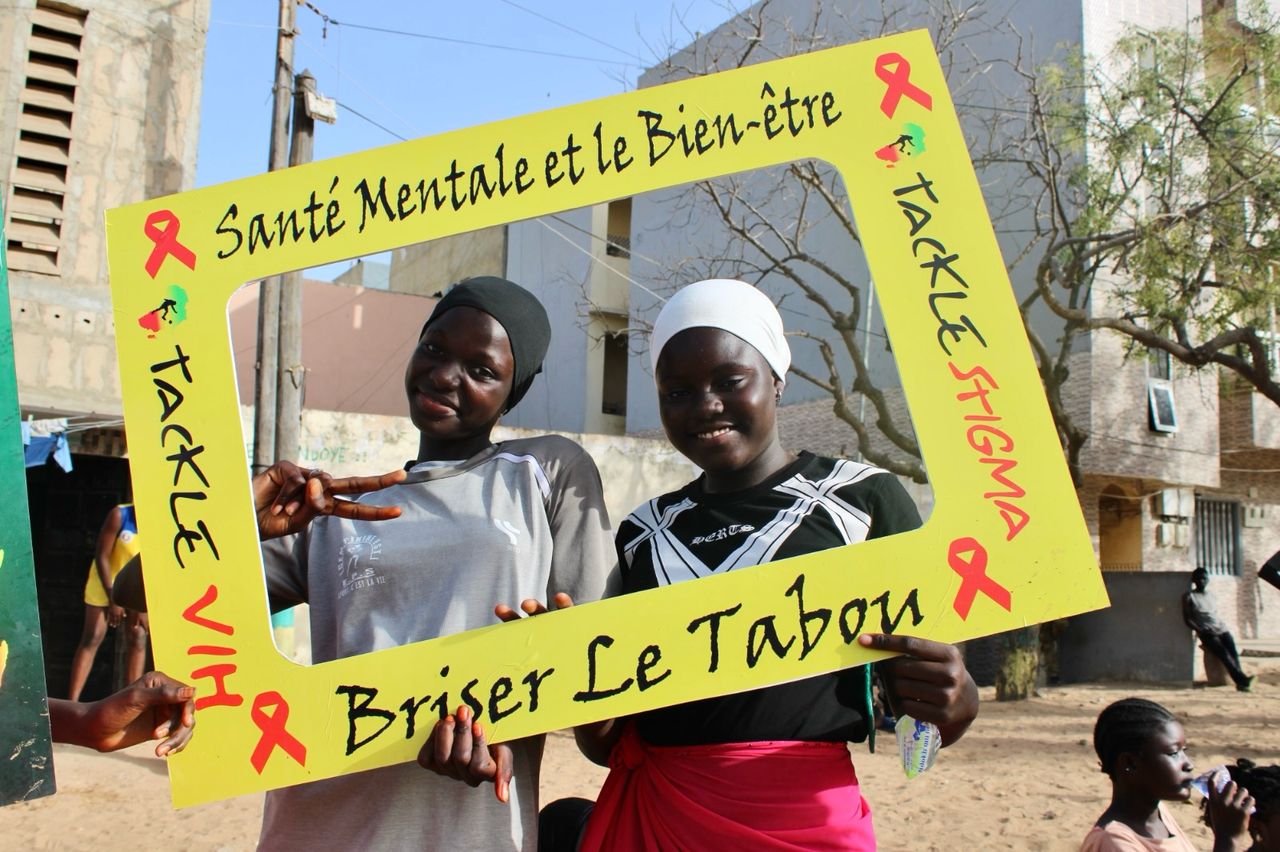
Their “Match Fit” program is testing the effectiveness of experiential football sessions in schools across Guédiawaye, Senegal, led by trained teachers and coaches, to create safe spaces where young people build mental health knowledge, challenge stigma, and discuss sensitive topics with peers.
In line with the 2026 FIFA World Cup, Tackle – through its “Match Fit” program – hosted two mental-health football tournaments that served as mental-health awareness platforms for the community, with students making up 16 teams and attracting 500+ spectators and community leaders.
“What makes football effective is that it’s built with communities, not just for them. It can give young people a voice, and it’s that voice which helps bring lasting change,” added Gustavo Pizzi from Tackle, during his participation in the UN Youth event in New York.
This innovation demonstrates how sports can create trusted spaces where young people feel supported, heard, and empowered to thrive.
Investing in the next play
Growing evidence from Being’s portfolio and across the global mental health field suggests that sport plays an important role in youth mental health. While it is not a standalone solution, it offers a meaningful opportunity to promote mental well-being.
The sport sector already reaches hundreds of millions of young people; the question is whether we’re building that connection intentionally, with the evidence, investment, and ecosystems needed to make it sustainable and ensure that more young people can benefit from it.