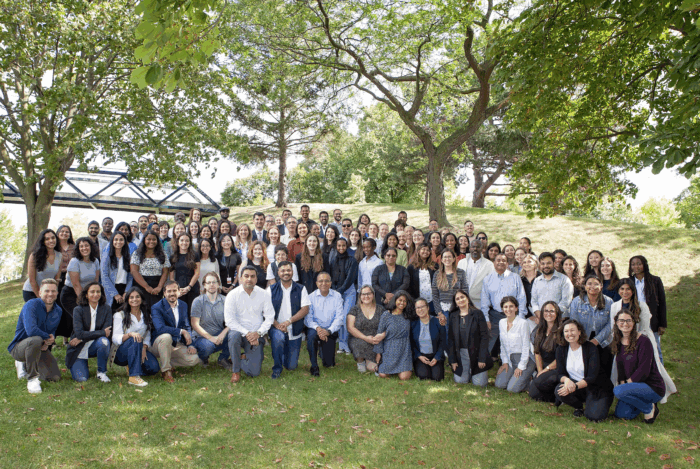
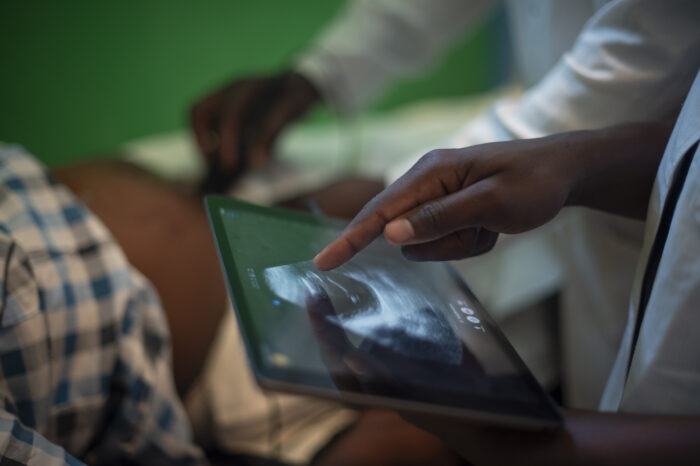
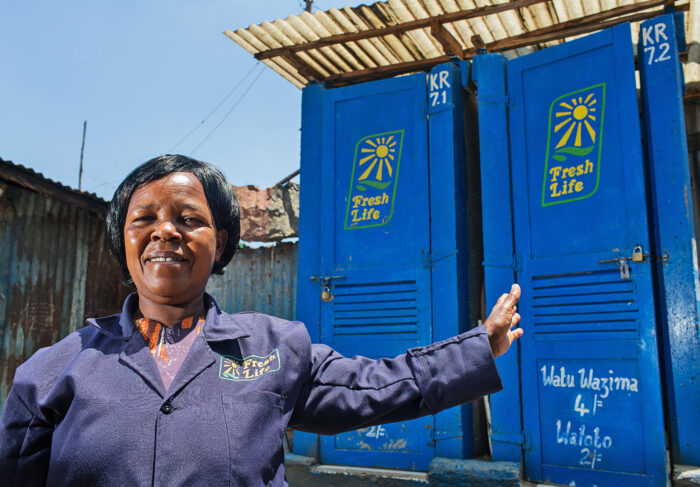
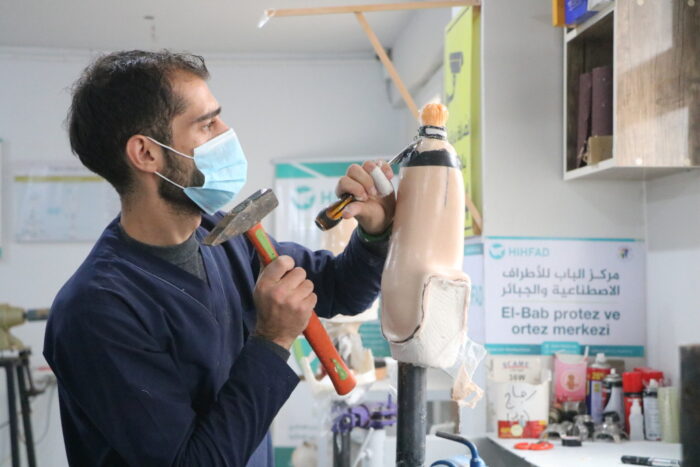



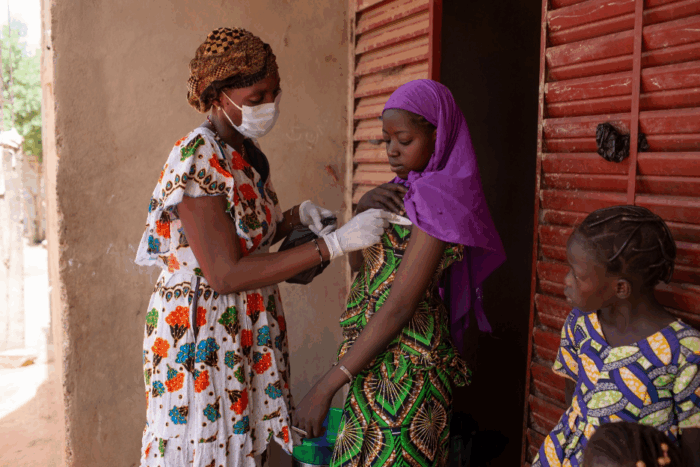
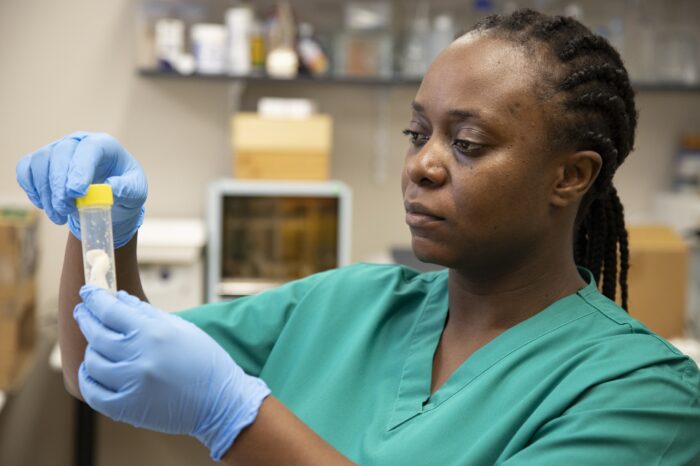

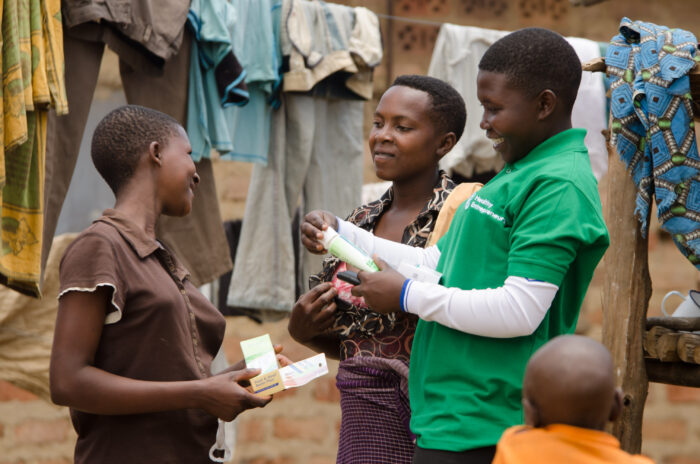



Since 2010, we’ve invested in 390 Canadian innovations in over 70 countries — roughly one-fifth of our total portfolio. From safe sanitation and x-ray diagnostics to anemia prevention and mental health, these solutions are changing lives around the globe.
In partnership with the Government of Canada, we’re helping expand markets for homegrown products and services, create jobs, and build strong partnerships with organizations, academic institutions, and governments worldwide.
Here are just a few of the incredible Canadian innovations that we’ve supported:
Aerosan
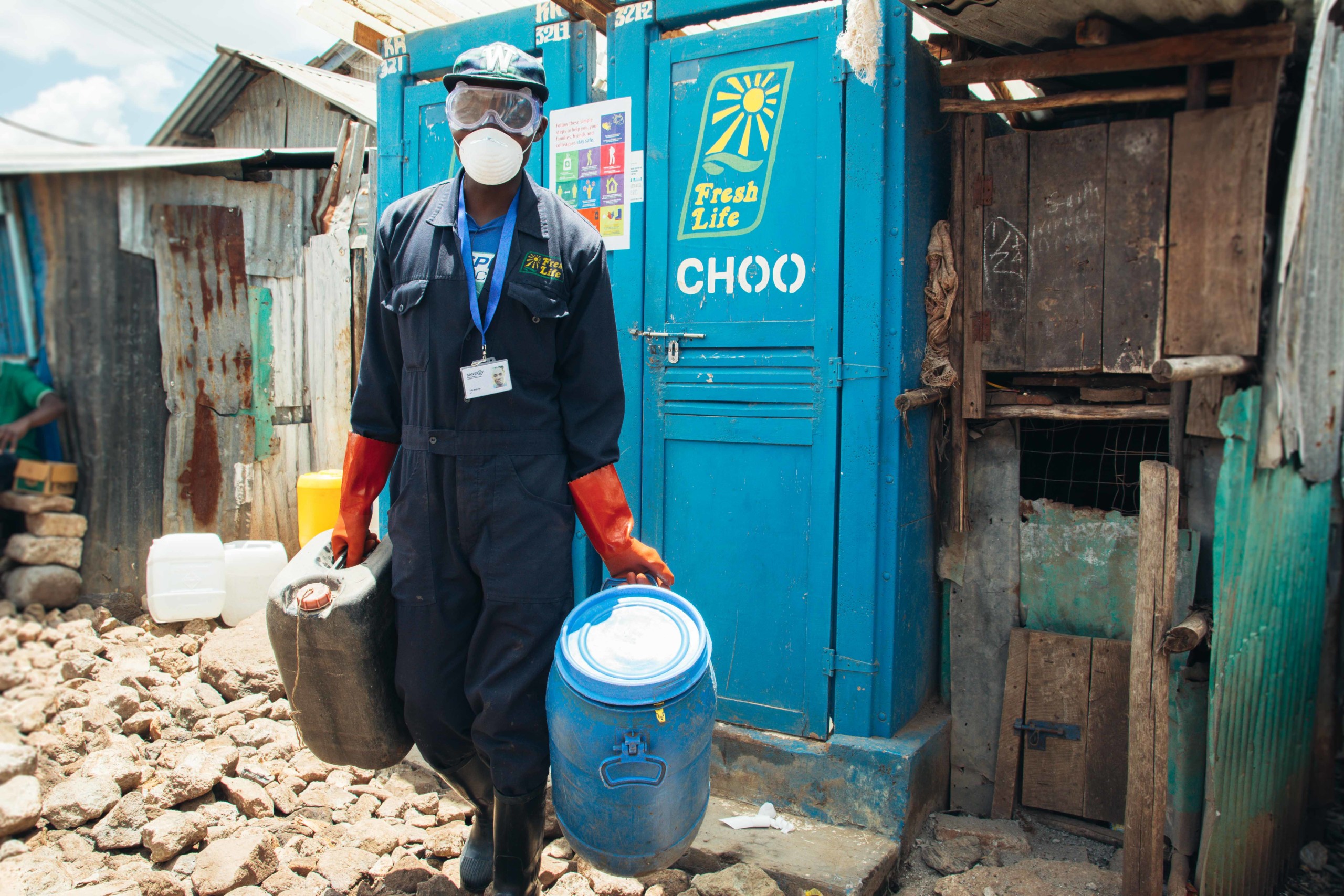
Aerosan, a Halifax-based organization, is transforming human waste into clean energy that powers local businesses, reduces pollution, and creates jobs. With support from Grand Challenges Canada, in partnership with the Government of Canada, Aerosan operates toilet hubs in Nepal and has provided safe sanitation to more than 900,000 people.

The hubs include toilets and menstrual health facilities, process waste from the hubs into biogas, generating power for local businesses, and creating jobs for local women who run the facilities. Aerosan has already diverted over 40 tonnes of waste and is on track to build 60 hubs in partnership with municipal governments. By turning sanitation into opportunity, Aerosan protects health, empowers women, and creates cleaner, more resilient communities.
Safe Water Optimization Tool (York University)
Developed by York University and Médecins Sans Frontières, the Safe Water Optimization Tool (SWOT) is a machine learning-powered platform that turns routine water quality data into life-saving insights, ensuring safe drinking water in refugee and displacement camps in Nigeria and Syria. Supported by Grand Challenges Canada, in partnership with the UK’s Foreign, Commonwealth & Development Office, and the Government of Canada, it provides humanitarian responders with context-specific, evidence-based water chlorination targets that protect water from pathogenic contamination all the way up to the point-of-consumption. Already deployed in more than a dozen countries reaching over 200,000 people, SWOT is now scaling up globally to protect lives and maximize the impact of every dollar invested in emergency safe water programs.
Simon Fraser University (Vmood app)
In Vietnam, 3 million people have depression and 83% of those individuals don’t have access to any form of care. Developed by researchers at Canada’s Simon Fraser University and Vietnam’s Institute of Population, Health and Development the Vmood phone app is transforming how remote communities in Vietnam care for their mental health. With support from Grand Challenges Canada, in partnership with the Government of Canada, the app was based on principles of cognitive behavioral therapy and is a self-management tool that links users to mental health resources across the country, helping people manage depression and anxiety. Additionally, the SFU team works with the Vietnamese government to create a data system for community mental health and improve training opportunities for social workers and health care workers in community-based interventions for depression and anxiety.
Sinai Health System (Project EMPOWER)
Project EMPOWER, implemented jointly by the University of Toronto, Sinai Health System, and Global Health Institute @Harvard, tackles the global shortage of trainers and support structures for mental health providers in low-resource settings. With leadership from Dr. Daisy Singla (CAMH/UofT), EMPOWER developed the PEERS app, a peer-supervision model that enables non-specialist providers to train and support each other—delivering high-quality, sustainable psychological care across communities. The PEERS app enables frontline workers to deliver care with built-in, digital peer supervision and quality monitoring. By combining global expertise with local implementation, PEERS offers governments and health systems—including in Canada, where mental health demand continues to exceed specialist capacity—a scalable, equitable, and cost-effective solution to expand high-quality services to underserved populations. As of July 2025, the PEERS app has helped screen over 100,000 people for mental health disorders, with more than 2,000 users registered.
The Equality Effect
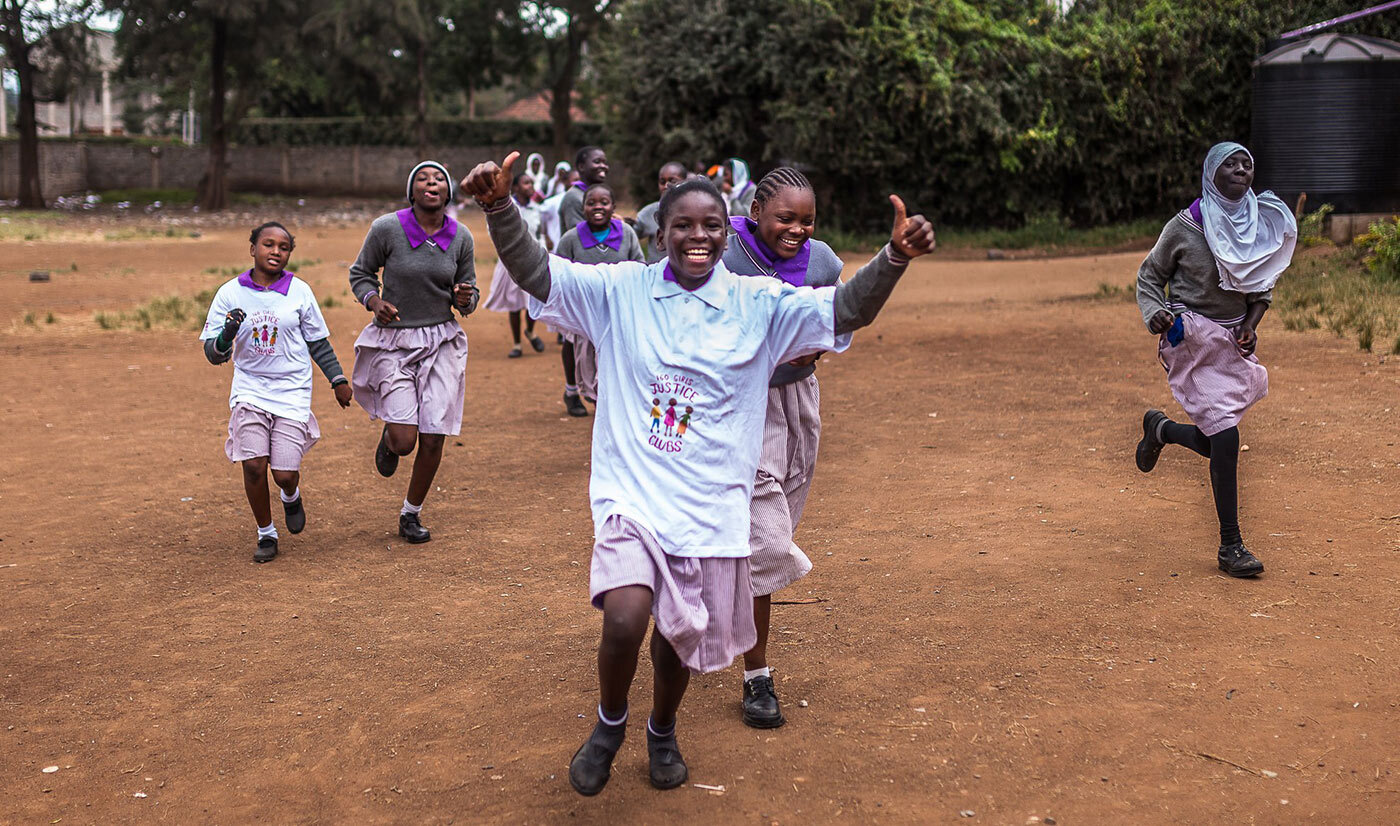
A Toronto-based organization, The Equality Effect‘s groundbreaking 160 Girls Project tackles Kenya’s child rape crisis through strategic police and judicial reform. Despite strong anti-rape laws, enforcement failures left countless children without justice. With support from Grand Challenges Canada, in partnership with the Government of Canada, The Equality Effect worked with the Kenyan National Police Service and Vancouver Police, to develop a human rights-based investigation training that’s now embedded in Kenya’s police curriculum. Building on this success, the Equality Effect is bridging Kenyan and Canadian judges, justices, and tribunal members to ensure child rape cases receive fair, sensitive court handling—transforming how the justice system protects its most vulnerable citizens.
Viamo
A Saskatchewan-based company, Viamo empowers governments and organizations to deliver critical information and services to underserved communities through mobile technology. Operating in over 29 countries, Viamo has reached over 35 million people, providing life-saving health, education, and agricultural information via simple mobile phones. Backed by Grand Challenges Canada, in partnership with the Government of Canada, its mobile technology, primarily SMS and interactive voice response (IVR), ensures information reaches even those with basic phones in their local languages. With partnerships including UNICEF, the World Bank, and various governments, Viamo offers a scalable, cost-effective solution to enhance public service delivery and foster inclusive development.
KA Imaging
X-rays diagnose a wide range of disease, including child pneumonia, tuberculosis (TB), cancer, cardiac disease, other lung-related illnesses and fractures, but roughly two-thirds of the world’s population has inadequate or no access to medical imaging. KA Imaging (KAI) is a Waterloo-based for-profit company that has developed a low-cost digital X-ray imager.

Led by Dr. Karim S. Karim and Amol Karnick from the University of Waterloo, and with repayable financing from Grand Challenges Canada, in partnership with the Government of Canada, they developed an affordable, high-resolution, low-dose prototype X-ray imager with a pixel design 40% more sensitive than current digital imagers — enabling diagnostically useful images to be acquired at lower radiation doses, improving safety for patients and healthcare workers — for use in low-and middle-income countries. The project implementation phase enabled access to diagnostic X-ray imaging for 995 patients. By leveraging existing LCD manufacturing capabilities, KA Imaging has been able to reduce production costs, resulting in a detector-related cost per X-ray of less than $0.50 per scan. Since initial development, KA Imaging has continued to advance its core detector technology into commercially available systems and is working with clinical partners in multiple countries.
Lucky Iron Life
Lucky Iron Life (LIL/F), based in Guelph, Ontario, tackles iron deficiency anemia with reusable and accessible cooking tools that release iron when boiled in water. Its sustainable dual-market model generates revenue by selling to health-conscious consumers in high-income countries, thereby funding free distribution and education in underserved communities worldwide. Previously supported by Grand Challenges Canada in Cambodia, India, Guatemala, and the Dominican Republic, LIL/F has impacted over 288,000 people through 50+ community partnerships and donated more than 63,000 iron tools to families in need.
Canadian leaders innovating globally:
Aviro Health
Co-founded by Luke Shankland from Toronto, Ontario, Aviro Health is a South African company helping health providers capture useful data while supporting patients managing conditions like HIV and diabetes. Their innovation improves service uptake, enhances patient education, and streamlines data collection. Their solutions support better day-to-day decision-making for patients and providers, while strengthening sites’ ability to conduct secure, ethical research and regulatory navigation, addressing the fact that Africa—home to 20% of the world’s population—hosts only 3% of global clinical trials, a gap that limits Africa’s ability to develop tailored and affordable healthcare solutions. Endorsed by the South African National Department of Health, Aviro has reached over 100,000 patients with inclusive, accessible, and multilingual digital care.
OGOW Health
Founded by Somali Canadian entrepreneur Khalid Hashi, based in Alberta, OGOW Health is an award-winning digital health organization advancing maternal, child, and nutrition outcomes across Somalia.
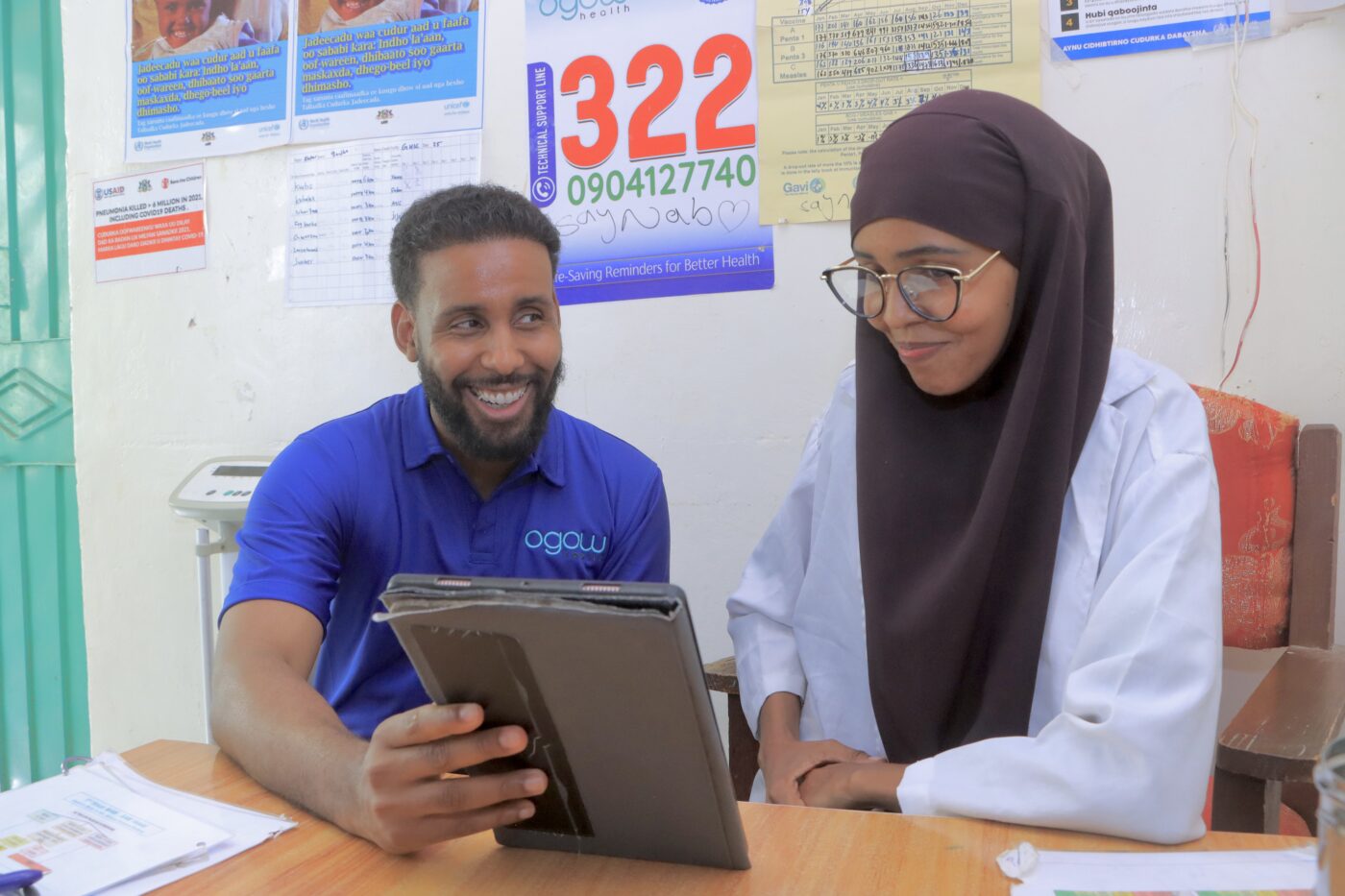
With support from Grand Challenges Canada, in partnership with the Government of Canada, OGOW Health develops and implements human-centred platforms that connect families to essential services such as antenatal care, immunization, and nutrition screening and treatment, while strengthening health systems through improved data quality and social behaviour change programs. By building agency among mothers and caregivers to know where and when to seek services, and by equipping frontline health workers and policymakers with real-time data and insights, OGOW Health reduces preventable deaths, enhances service delivery, and supports evidence-based decision-making in underserved communities.
University of Alberta (SPO2)
When power outages in Ugandan hospitals left children without oxygen, Dr. Michael Hawkes of the University of Alberta developed a solution: the solar-powered oxygen system (SPO₂). Backed by GCC through two grants and extensive non-financial scaling and business support, SPO₂ proved it could deliver uninterrupted, medical-grade oxygen in off-grid settings, reducing childhood pneumonia deaths by about 35%. Partnering with the World Health Organization, the system scaled in Somalia, where in its first month, 42 of 45 critically ill patients survived. SPO₂ shows how Canadian innovations backed by GCC are saving lives worldwide.
Walimu
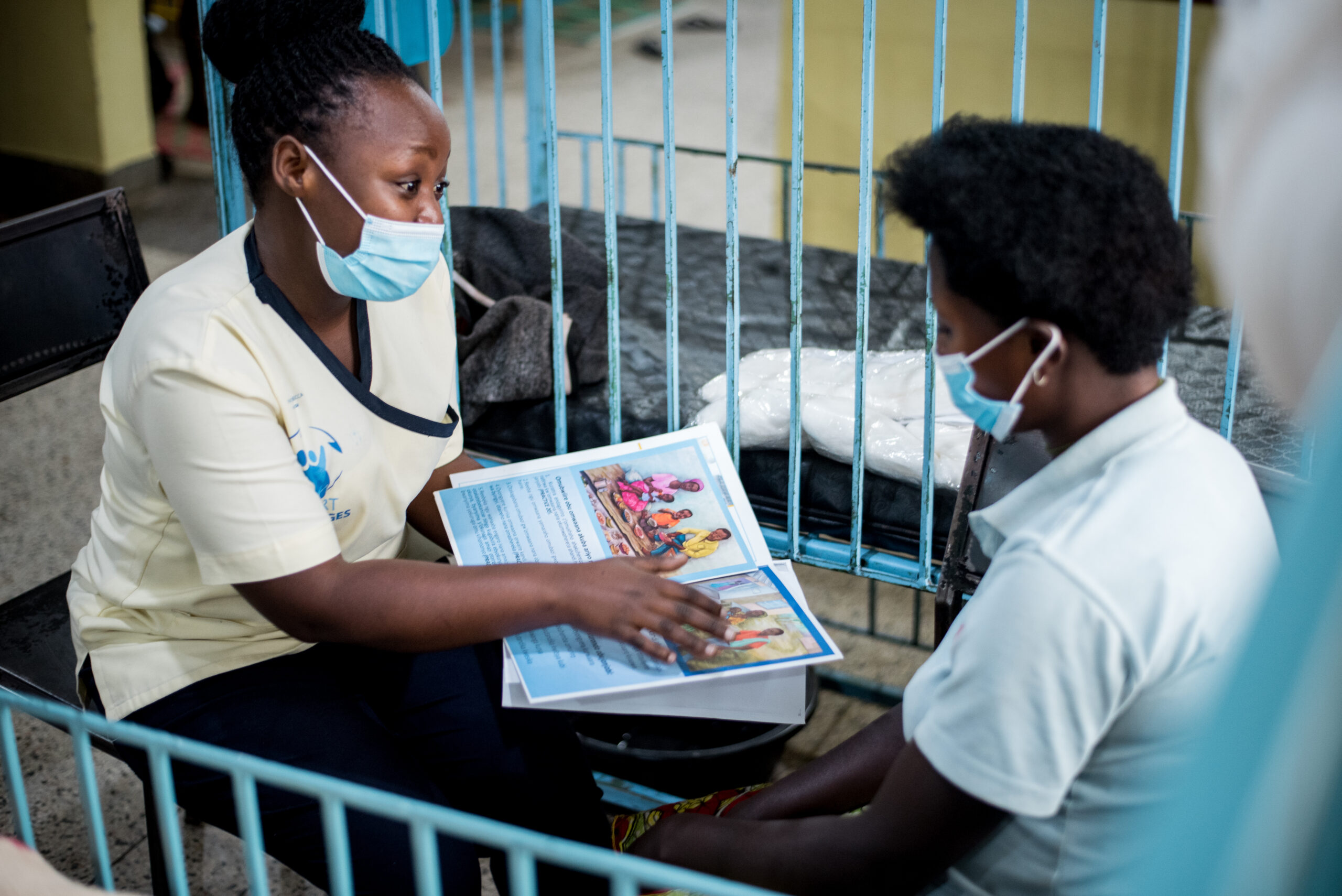
Co-developed with the Uganda Ministry of Health and University of British Columbia, implemented by Walimu, a Ugandan NGO dedicated to improving care for critically ill patients, the Smart Discharges Program is an evidence-based quality improvement initiative designed to reduce post-discharge mortality among children recovering from severe illness.
Supported by a sustainable implementation package, the program equips frontline health workers with tools and training to identify children at highest risk during the vulnerable post-discharge period and ensure robust recovery. Through a risk prediction algorithm embedded in digital platforms or paper-based checklists, focused caregiver counselling with educational materials, and targeted referrals for follow-up care, Smart Discharges strengthens continuity of care and empowers families to recognize warning signs and seek timely treatment.