
Emergencies such as armed conflicts, displacement, and natural disasters profoundly impact mental health. Families are uprooted, essential services are disrupted, and young people in particular face enormous stress and trauma. According to the WHO, nearly all those affected by emergencies experience psychological distress, and one in five people who have lived through war or conflict in the last decade develop a mental health disorder such as depression, anxiety, or post-traumatic stress disorder.
This World Mental Health Day, under the theme “Access to Services – Mental Health in Catastrophes and Emergencies,” we spotlight three organizations supported by Grand Challenges Canada (with anchor support from the Government of Canada and the UK’s National Institute of Health and Care Research) that are working on the front lines of crisis response.
These innovators are bringing hope and healing to young people in Palestine, Uganda, Lebanon, and Jordan by creating safe spaces, leveraging arts and culture, and introducing new digital tools to build resilience in times of crisis. The three organizations below show that including mental health and psychosocial support in emergency response not only saves lives, it also helps build stronger, healthier communities for the future.
Tamer Institute for Community Education: Healing Through Arts in Palestine
Children in Gaza are enduring one of the world’s most urgent humanitarian crises. For nearly two years, they have faced bombardment, hunger, and displacement. Thousands have been killed, while many more live with severe injuries, malnutrition, and trauma. Since October 7, 2023, more than 64,000 Palestinians have been killed and more than 160,000 injured—nearly half women and children, according to OCHA.
The International Rescue Committee reports a 48% rise in child protection cases, including violence and neglect. Education has collapsed as well, with 658,000 children out of school and nearly 90% of schools damaged or destroyed, according to UNICEF.
With initial seed funding from Grand Challenges Canada (GCC), the Tamer Institute for Community Education created Palestine’s first community-based network of Mental Health Emergency Response (MHER) services.
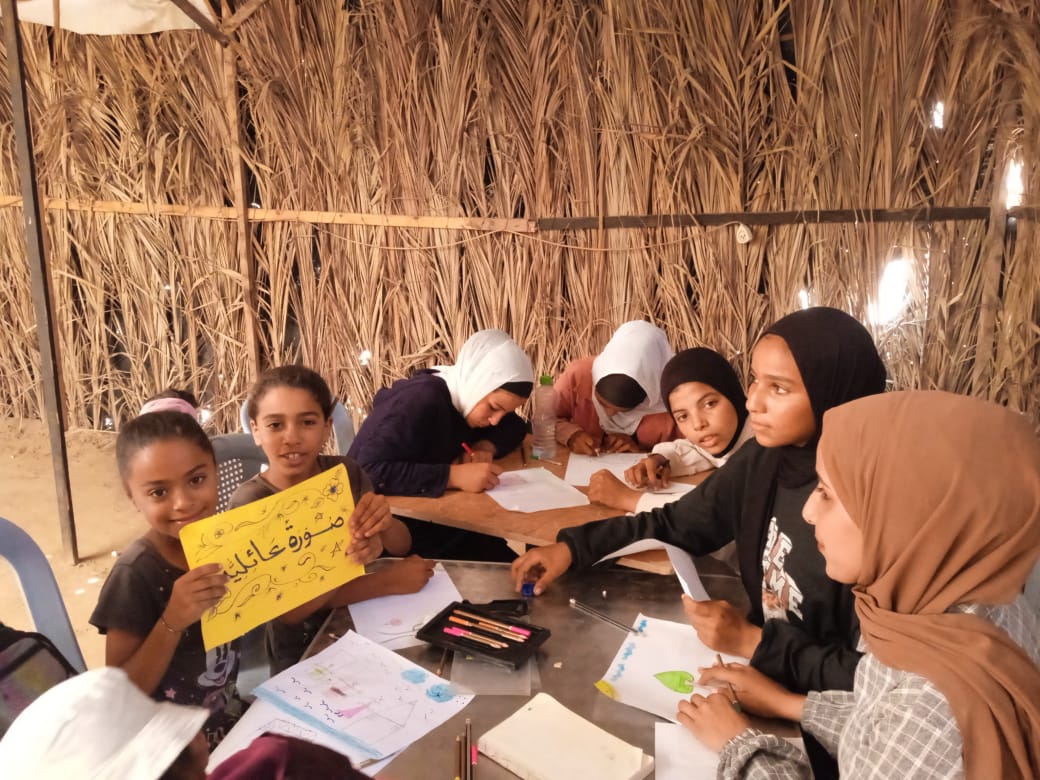
During its pilot phase, Tamer established seven emergency response centers across Gaza and the West Bank, reaching over 3,000 children and youth and training more than 150 community responders.
Now, with Transition-to-Scale funding from GCC, Tamer is working to expand the reach of their Healing Through Art Therapy program. Working through libraries and community organizations, Tamer trains university students and local librarians to deliver psychological first aid and arts-based psychosocial activities for children and their caregivers.
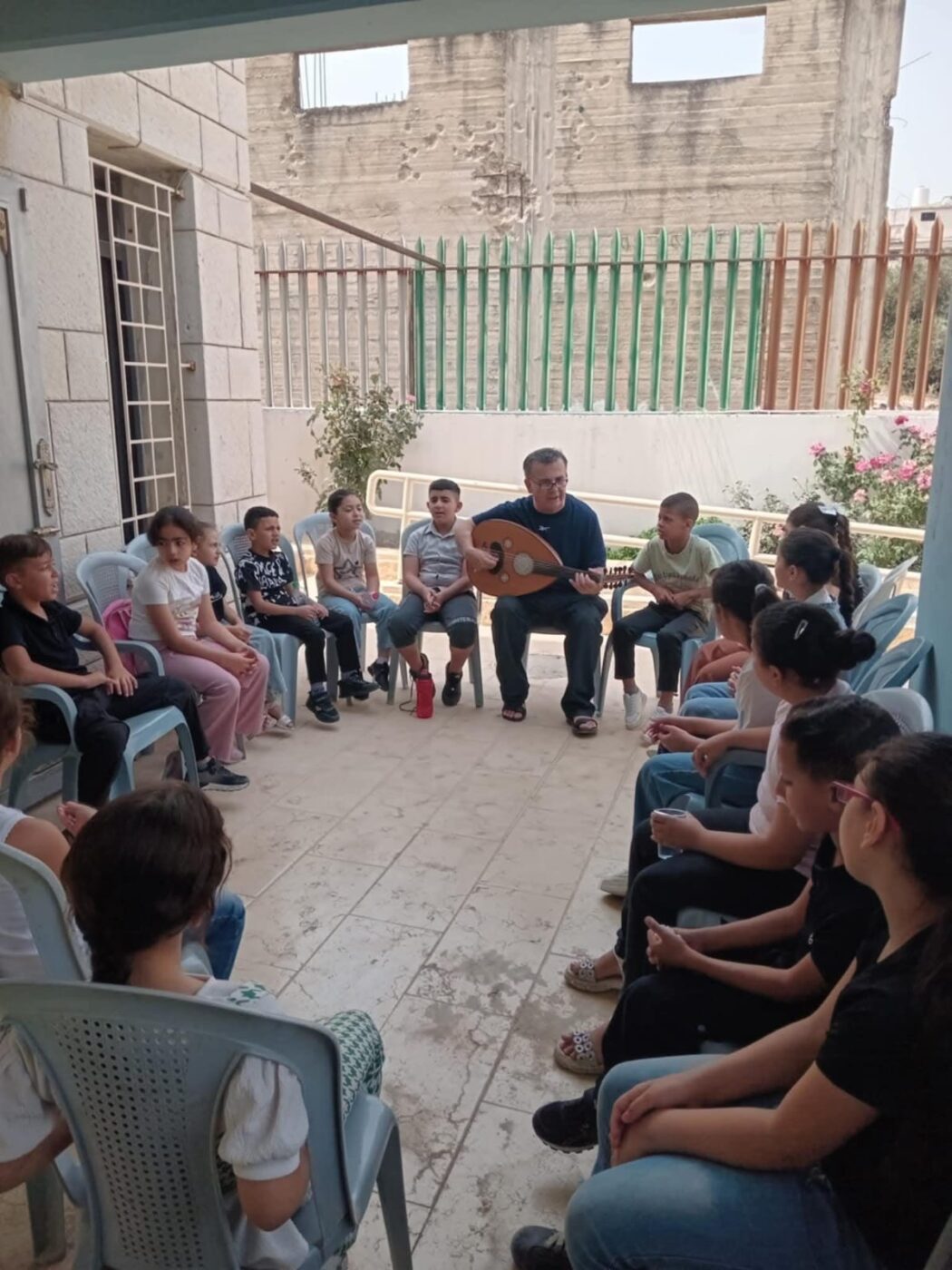
Through storytelling, music, puppetry, creative writing, and games, young people process their emotions, share their experiences, and begin to heal. For example, in one activity, children release kites carrying messages of hope for Gaza’s children.
Tamer’s innovative program, co-designed with youth, equips facilitators with books, games, and manuals to deliver culturally relevant activities. By creating safe, familiar spaces for expression and healing, Tamer is helping Palestinian children and families find resilience in the face of unimaginable adversity.
THRIVEGulu: Dance Therapy for Refugees in Uganda
In northern Uganda’s Palabek refugee settlement, more than 88,000 refugees —primarily women and children from South Sudan—are rebuilding their lives after fleeing devastating conflict which has affected their homeland since December 2013.
The crisis in South Sudan has displaced over 4 million South Sudanese and claimed thousands of lives. According to the UNHCR, the majority of those forced to flee have been women and children, with many young people escaping alone in search of safety due to losing both their parents.
Displacement leaves deep psychological scars. Refugees in Uganda are ten times more likely to experience depression than native Ugandans, and access to psychosocial care is severely limited.
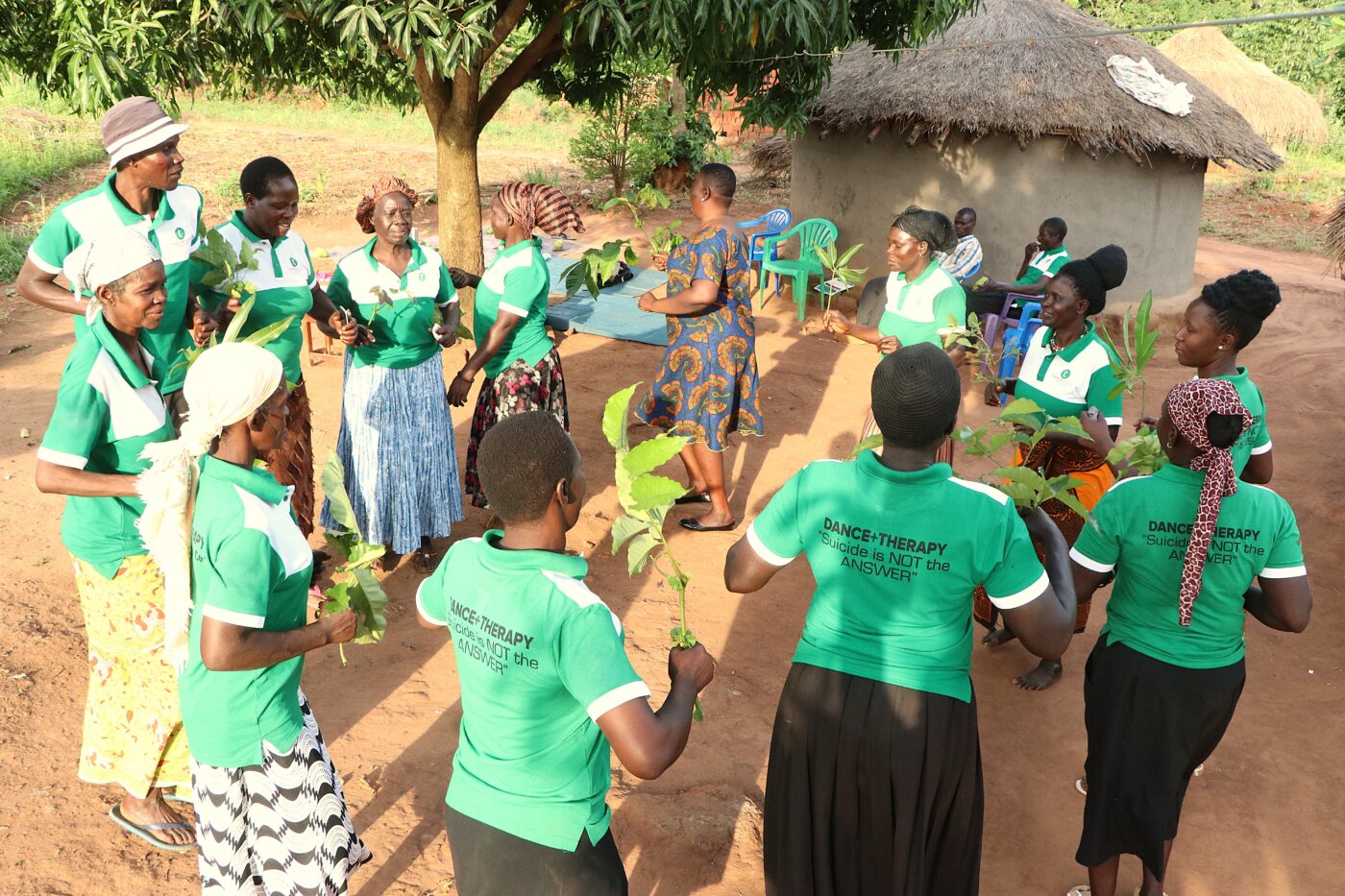
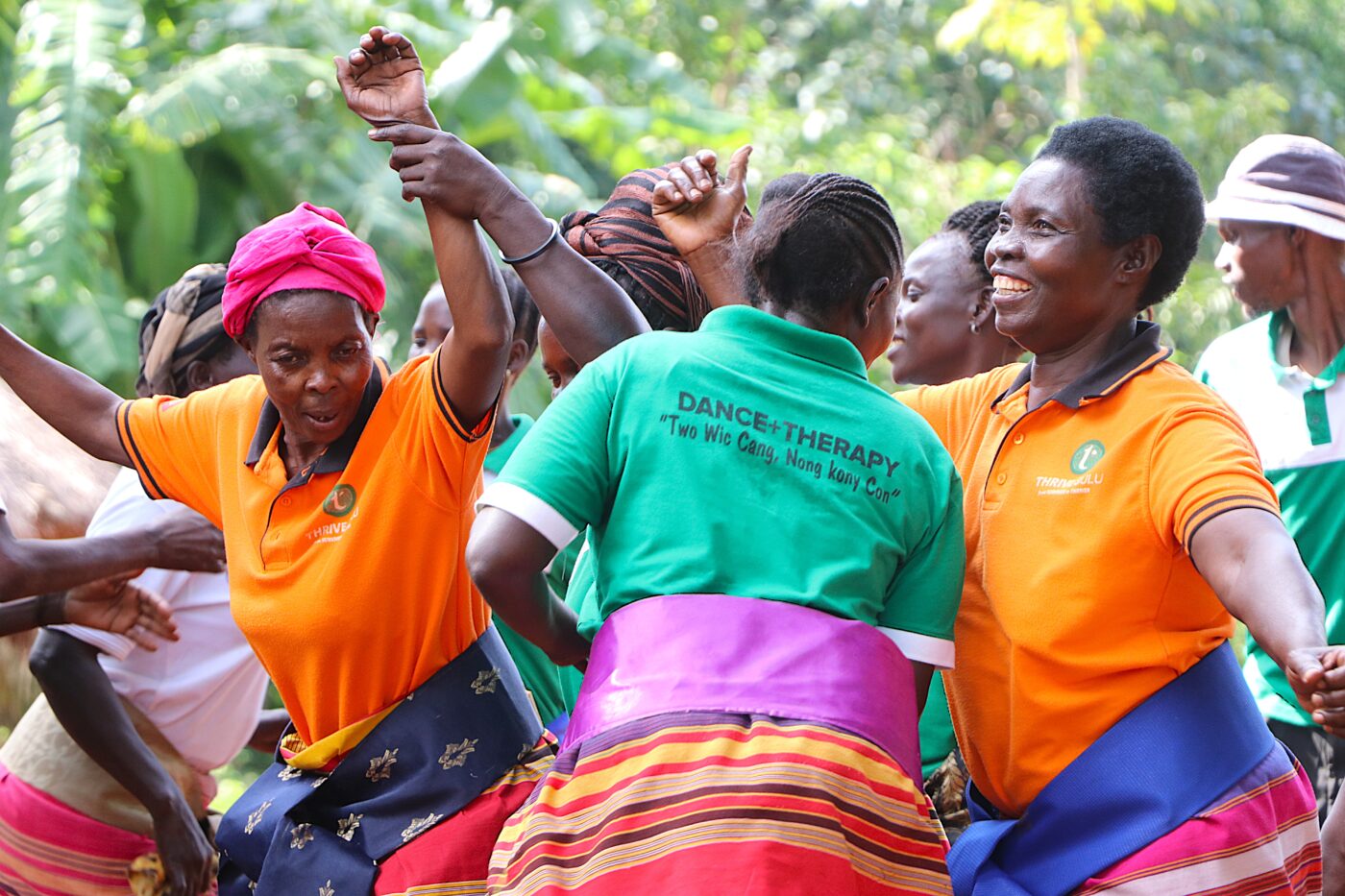
With seed funding from GCC, THRIVEGulu, a women-led trauma recovery center, is addressing this challenge with its innovative Dance + Therapy (D+T) approach. Co-designed and delivered by displaced communities themselves, the program combines counseling with movement and dance to help refugees process trauma, build resilience, and strengthen community bonds.
Peer leaders trained in the D+T model guide group sessions where survivors use dance to release tension, express themselves, and reclaim joy. As community members see peers openly discussing mental health and demonstrating recovery, stigma decreases and trust in mental health services grows.
The approach has proven transformative: it not only supports trauma healing but also opens space for conversations about mental health at the community level, spreading awareness and fostering collective recovery. By centering refugees as leaders and healers, THRIVEGulu is building dignity and resilience from within.
SAMS Foundation: Helping Syrian Adolescents Heal Through Play in Lebanon and Jordan
Lebanon hosts 1.5 million Syrian refugees, the highest number per capita in the world. Fourteen years of ongoing crisis has taken a heavy toll on Syrian youth, most of whom have experienced violence, the loss of loved ones, and displacement. According to the UNHCR, nearly half of Syrian refugees (47%) in the region are under 18 years old, and more than a third of them have no access to education.
Coupled with severe economic challenges (nine out of ten refugee households live in extreme poverty), the increasing risk of young people falling victim to child labour, and ongoing conflict in the region, the toll on children and adolescents’ mental health is staggering. A third of young people in Lebanon have screened positive for at least one psychiatric disorder—yet fewer than 5% have ever received professional help.
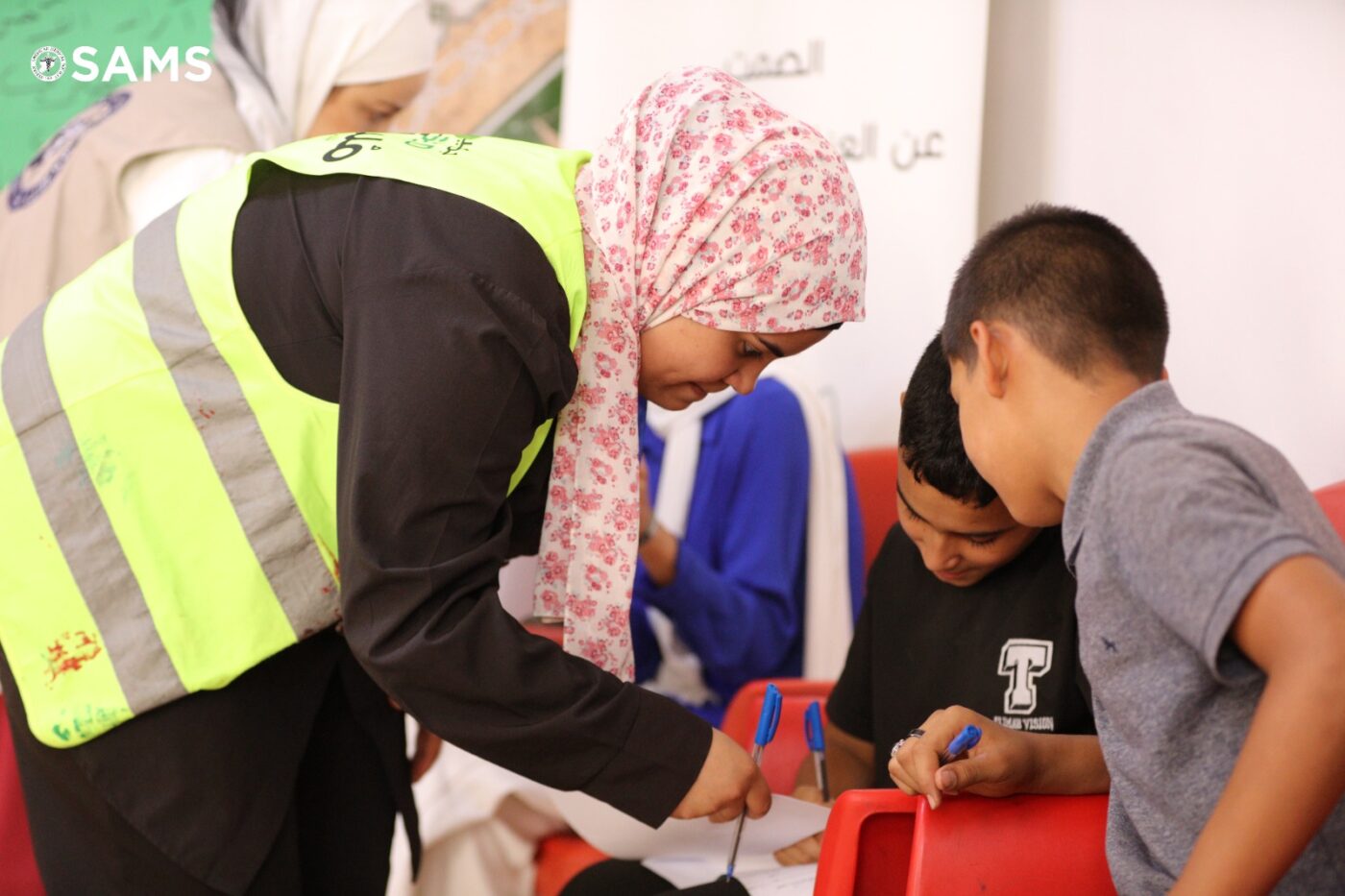
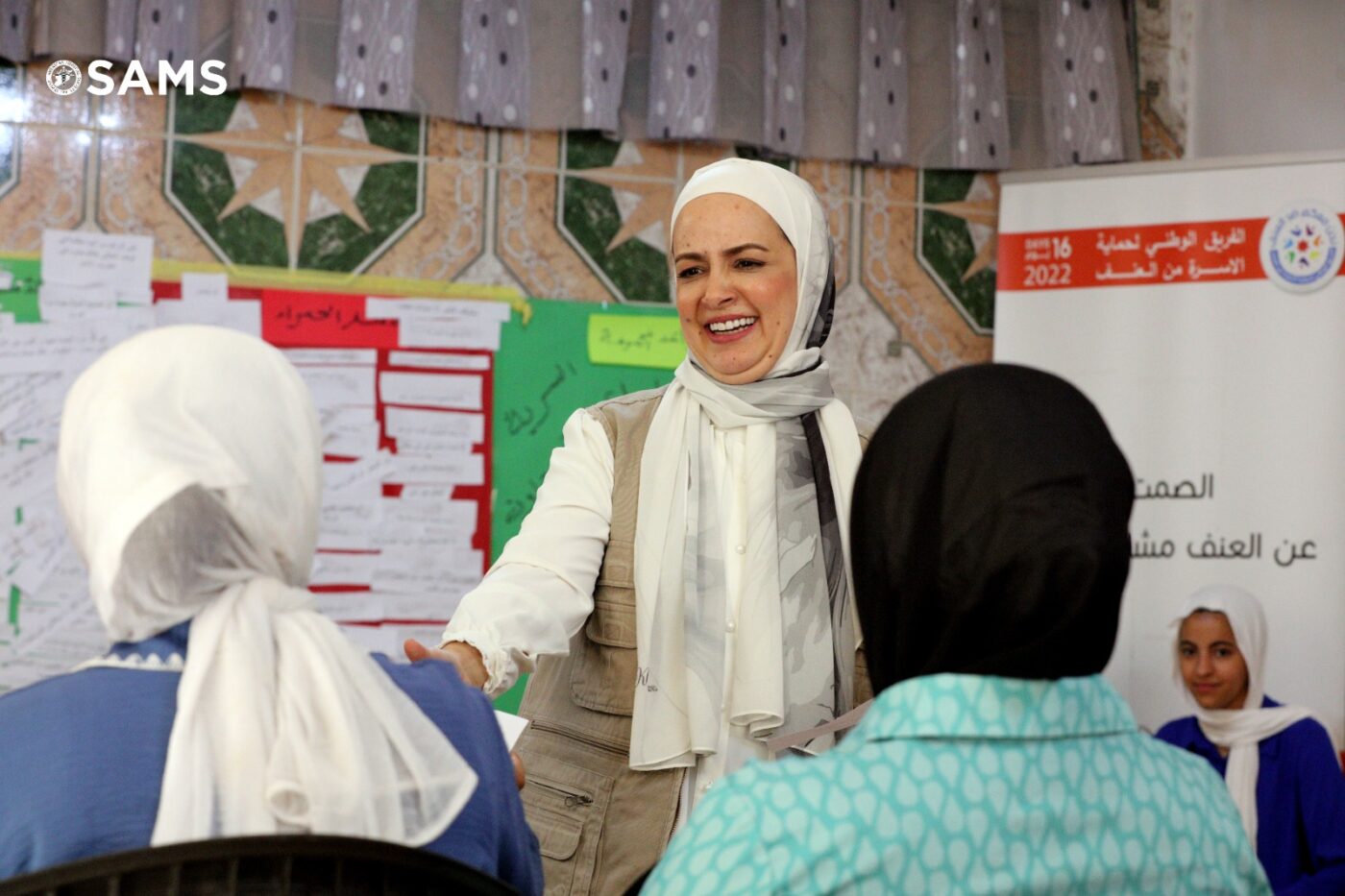
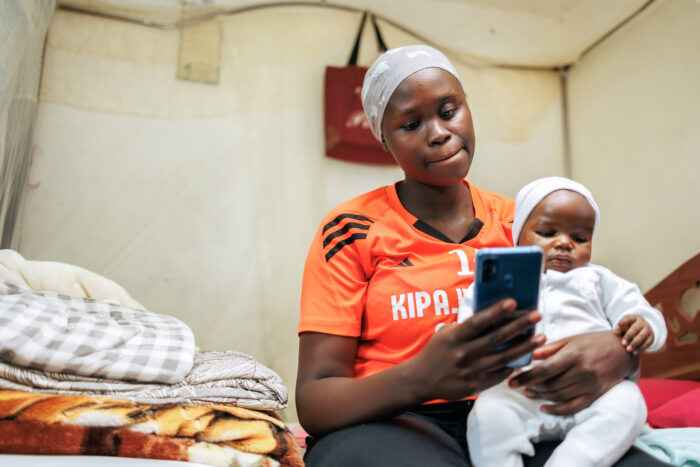
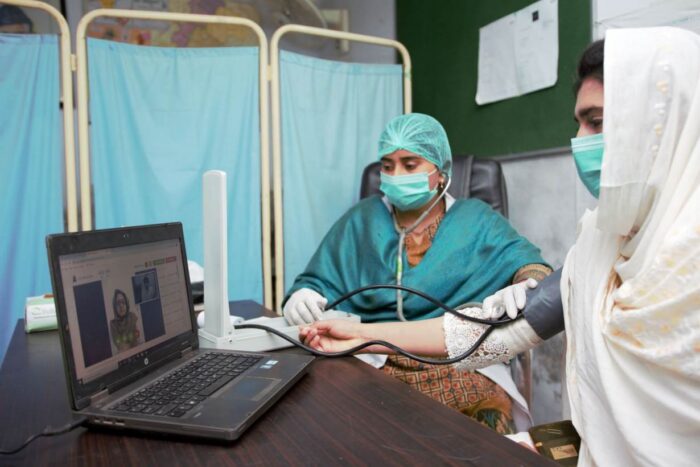
The Syrian American Medical Society (SAMS) Foundation is tackling this crisis with Helping Hand, a blended learning program that uses a digital game combined with peer-led group sessions to build resilience and reduce anxiety and depression among adolescents.
In weekly sessions, adolescents (ages 12–17) play through 10 realistic scenarios that teach coping strategies grounded in cognitive behavioral therapy (CBT). The game encourages players to practice positive decision-making, talk openly about feelings, and seek help when needed—all guided by trained facilitators who foster peer discussion and support.
With initial seed funding from GCC, Helping Hand reached over 1,200 Syrian refugees and adolescents across Lebanon and Jordan, with 95% completing the program.Now with Transition-to-Scale funding from GCC, and a recent endorsement from the Clinton Global Initiative, SAMS is scaling Helping Hand to reach even more youth in conflict-affected communities, offering hope, healing, and life-saving skills for the future.