








Bold solutions where they’re needed most
From war zones to communities devastated by climate disasters, pandemics, and forced displacement, the world is facing a polycrisis—a convergence of multiple, overlapping emergencies. These crises hit hardest in fragile and underserved settings, where traditional aid often falls short.
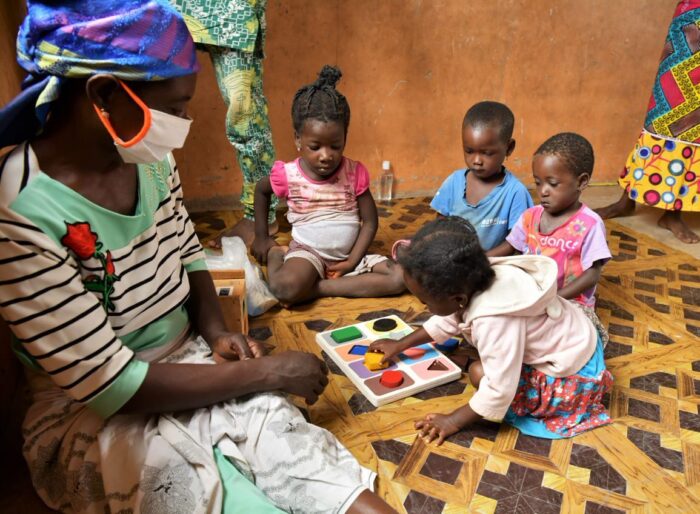
Today, nearly 1 in 5 children globally—over 473 million—live in or are fleeing conflict zones, facing violence, disrupted services, and uncertain futures (UNICEF, Children in War and Conflict). In these environments, innovation isn’t a luxury—it’s a lifeline.
Why innovation matters
In humanitarian contexts, children and communities often lack:
- Access to health care, supplies, and infrastructure
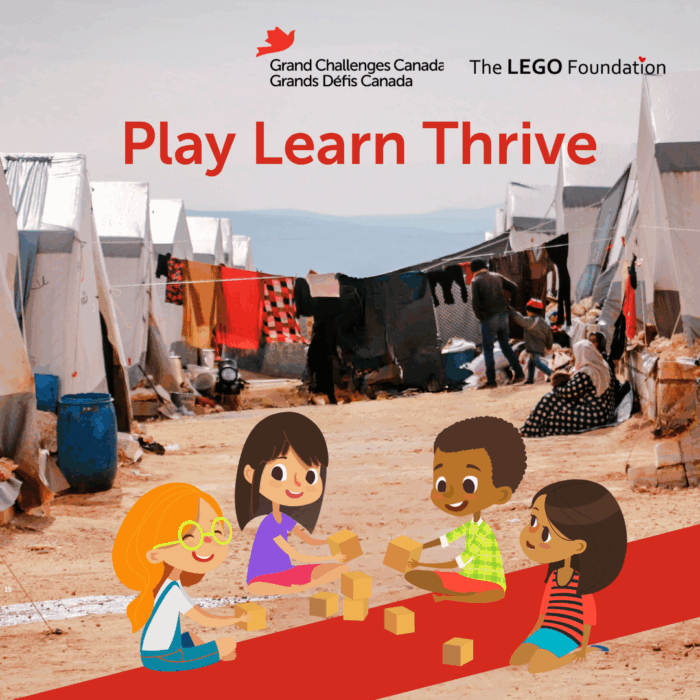
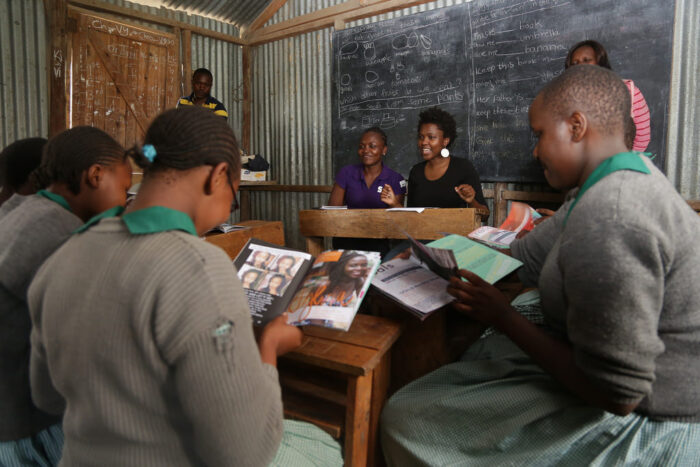
- Trauma-informed education and learning opportunities
- Lifesaving information in languages they understand
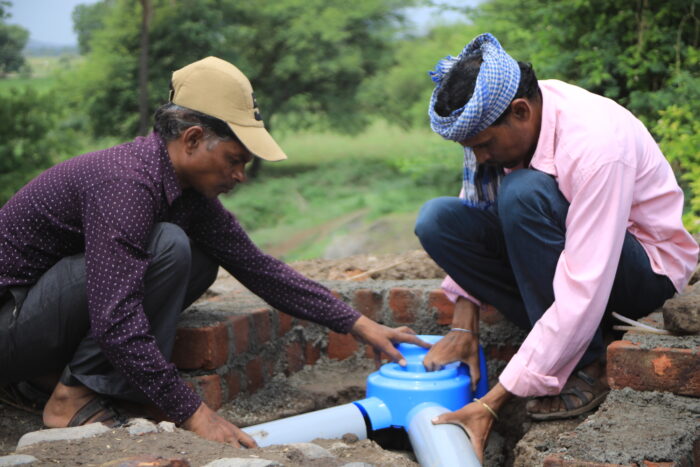
- Reliable, affordable energy for essential services
They also face daily threats from gender-based violence, climate shocks, and instability. These challenges demand fast, adaptable, and locally informed solutions.
Innovation in these settings means:
- Solving problems in new, effective ways
- Rethinking systems to be more inclusive and sustainable
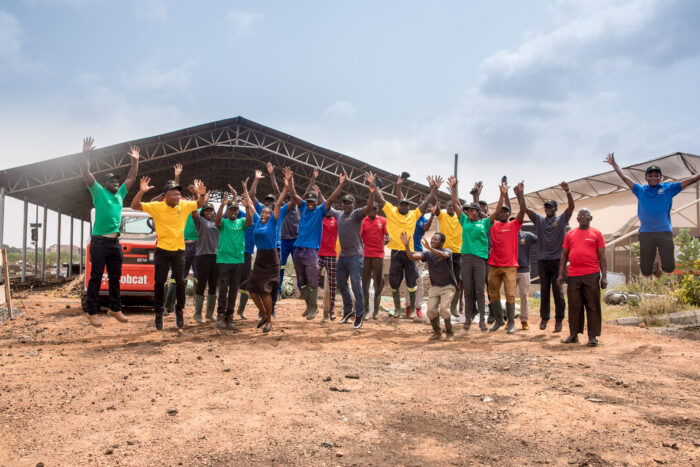
- Empowering communities to lead their own solutions
- Designing for scale—so what works in one place can be contextualized everywhere
When guided by equity, empathy, and evidence, innovation can shift power, unlock potential, and create lasting change.
A strategic partnership for impact
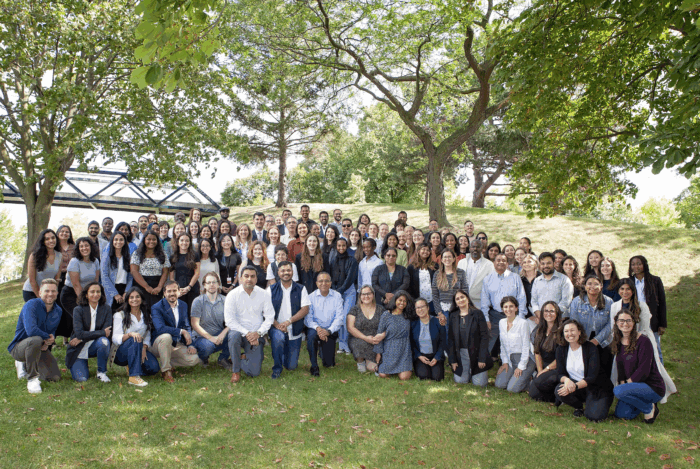
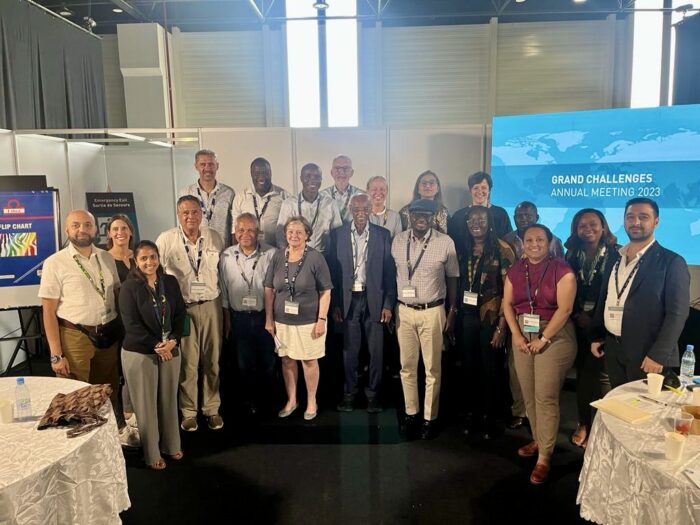
That’s why UNICEF’s Office of Innovation and Grand Challenges Canada have signed a new Memorandum of Understanding. This partnership is built on a shared vision: to reimagine humanitarian response, not just to meet urgent needs, but to build long-term resilience and dignity through innovation.
Together, we’re focused on:
- Aligning efforts across portfolios in climate, health, gender equality, and humanitarian action
- Co-developing initiatives that scale promising innovations and break down systemic barriers
Through initiatives like Creating Hope in Conflict: A Humanitarian Grand Challenge, we are identifying and scaling solutions that work—bringing together innovators, communities, and partners to maximize impact.
From short-term fixes to long-term solutions
Most humanitarian crises today are protracted, lasting years or even decades. They’re compounded by climate change, poverty, and economic instability. Innovation helps us move beyond short-term fixes to sustainable, community-driven solutions.
It can look like:
- AI-powered alerts that warn civilians of airstrikes minutes in advance
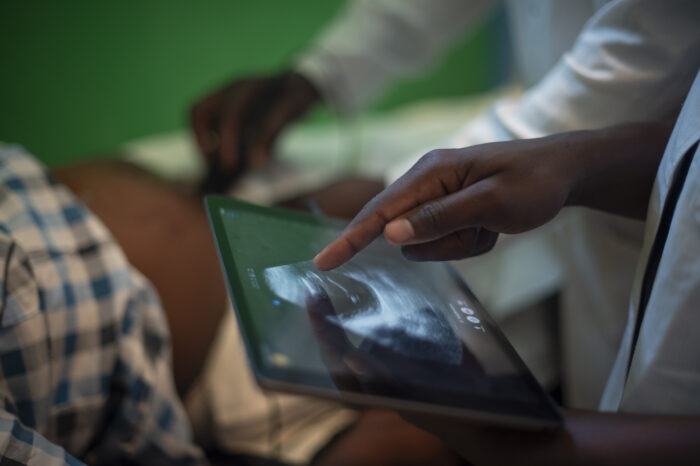
- Portable devices that detect cholera in water in just 30 minutes
- Inflatable sterile bubbles for emergency surgeries in remote areas (SurgiBox)
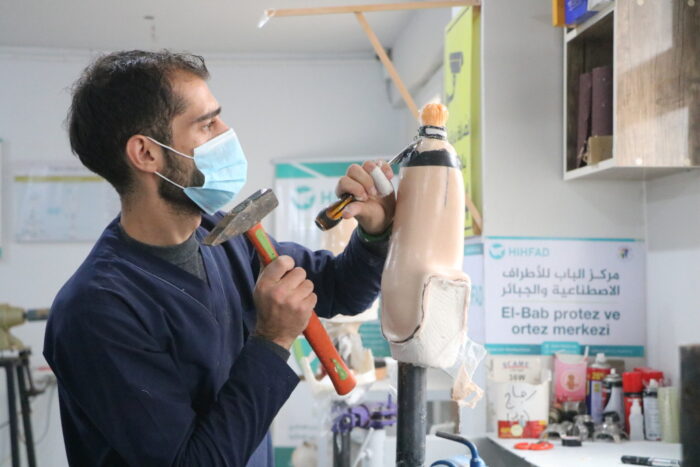
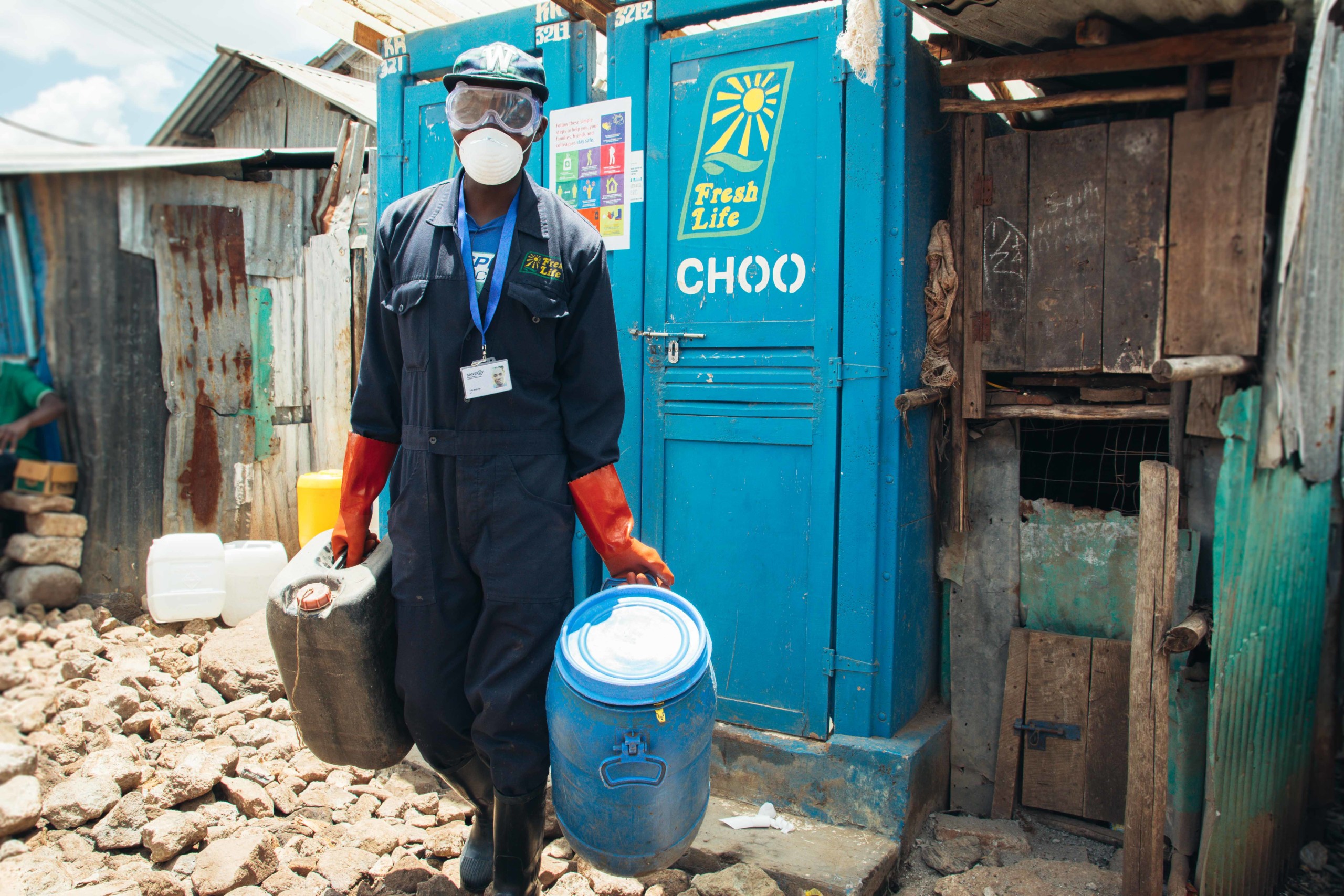
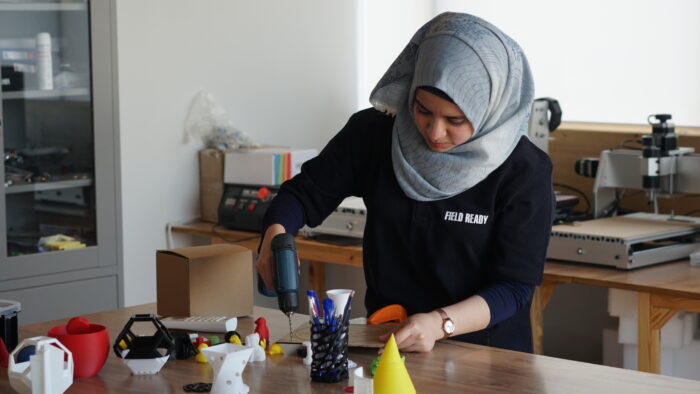
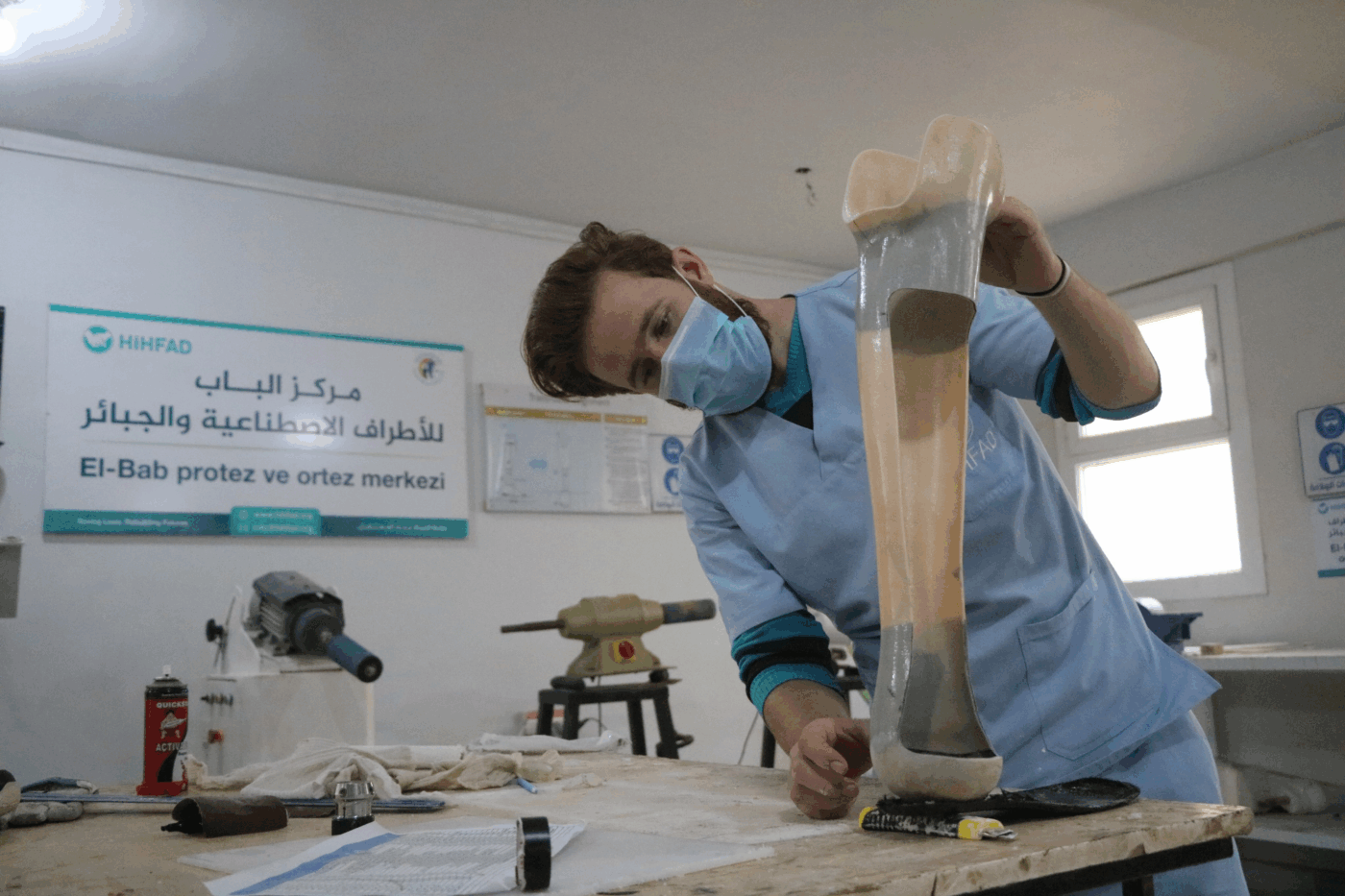
- 3D-printed prosthetics for children in displacement settings (Hand in Hand for Aid and Development)
- Solar energy credits that power essential services in crisis zones (Energy Peace Partners)
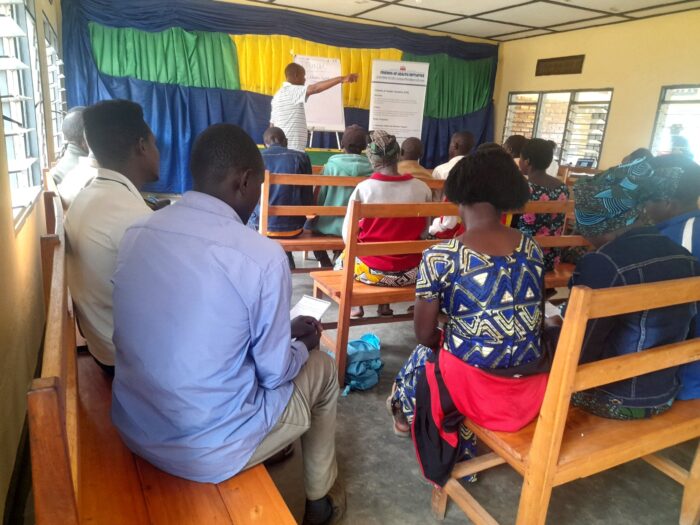
And it also means scaling what works, from mental health support for youth in conflict zones to remote learning platforms for displaced students. Crucially, it means empowering girls, women, and local leaders as creators of these solutions.
Empowering futures through innovation
This partnership is about more than responding to crises—it’s about building futures. By combining UNICEF’s global reach and child rights mandate with GCC’s innovation expertise, we’re strengthening local leadership and capacity.
We’re investing in locally led innovation, ensuring that solutions grow from within communities—not imposed from the outside.
In humanitarian settings—where time is short, trust is fragile, and resources are stretched—innovation offers a vital lifeline for affected population.
— Dr. Fawad Akbari, Senior Director, Humanitarian Innovation and Program Optimization, Grand Challenges Canada
We can’t afford to keep doing things the same way and expect better results. Innovation gives us the tools to act faster, respond more fairly, and look beyond crisis toward a brighter future.
— Thomas Davin, Global Director, UNICEF Office of Innovation
Innovation is hope made real
Together, UNICEF and Grand Challenges Canada are setting a new standard: putting innovation at the heart of humanitarian work. Because even in the most challenging conditions, better lives are within reach.
In the face of crisis, innovation is hope made real.
Written by:
Zainah Alsamman, Senior Manager and Portfolio Lead, Grand Challenges Canada
Marc Kaeraa, Humanitarian Innovation Portfolio Manager, UNICEF Office of Innovation