








We sat down with Dr. Johanna Sanchez, Global Climate and Health Lead at Grand Challenges Canada, for a Q&A to explore how data, innovation, and collaboration are driving GCC’s approach to climate and health resilience and adaptation.
Since 2022, Grand Challenges Canada (GCC) has been actively funding at the intersection of climate change and health. What began as an emerging area of interest has rapidly become a core pillar of the organization’s strategy, driven by urgent global need, a growing evidence base, and powerful collaborations between GCC and its partners.
“We’ve seen a surge in urgency around adaptation and resilience,” says Dr. Johanna Sanchez, Global Climate and Health Lead at Grand Challenges Canada. “The link between climate and health is no longer abstract; it’s direct, immediate, and undeniable.”
Why climate and health?
Many climate conversations are still focused on carbon emissions and temperature thresholds. However, that can obscure the human toll of the crisis, especially in the most vulnerable regions of the world, where the impact of climate change is huge and disturbing.
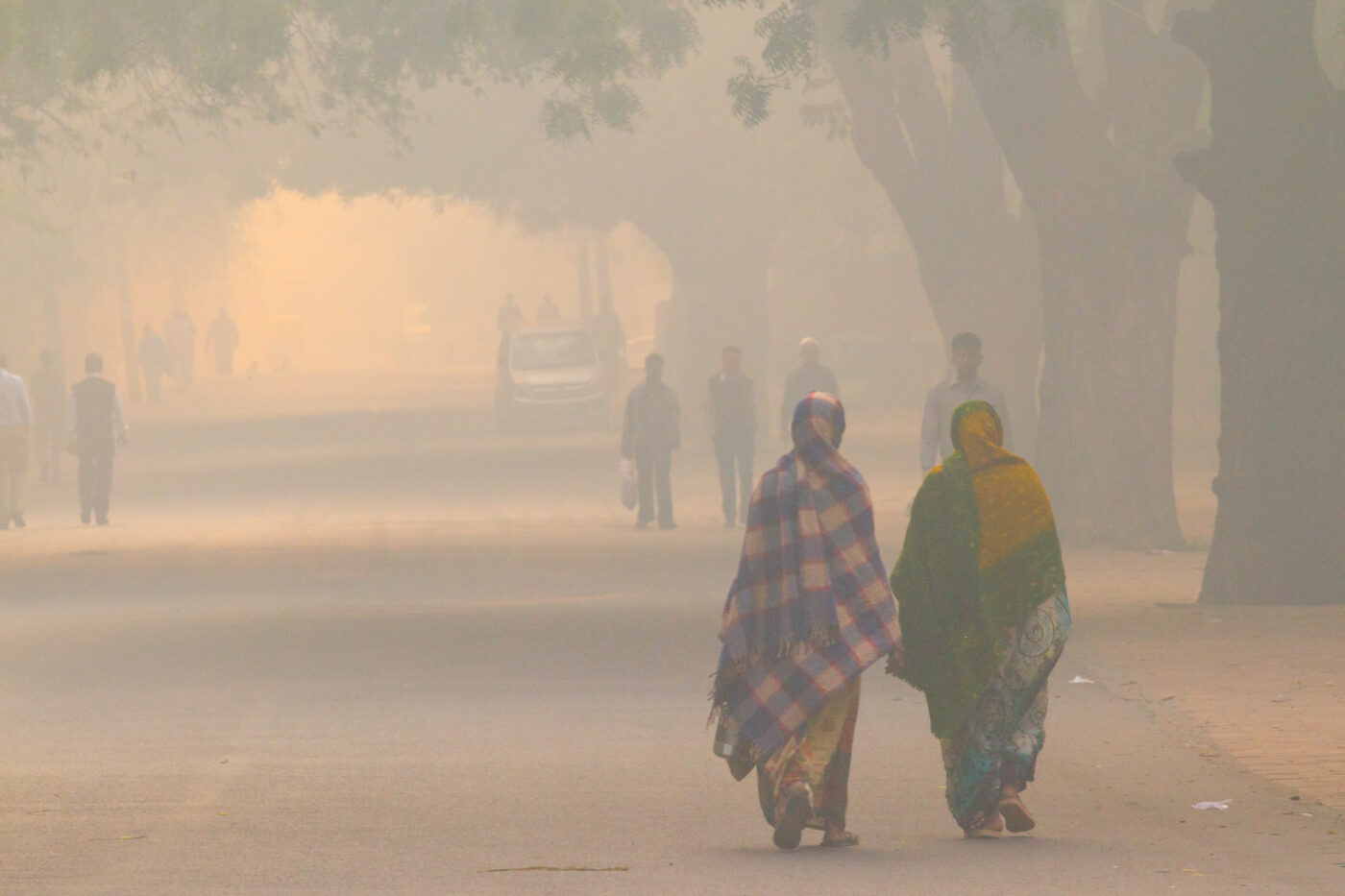
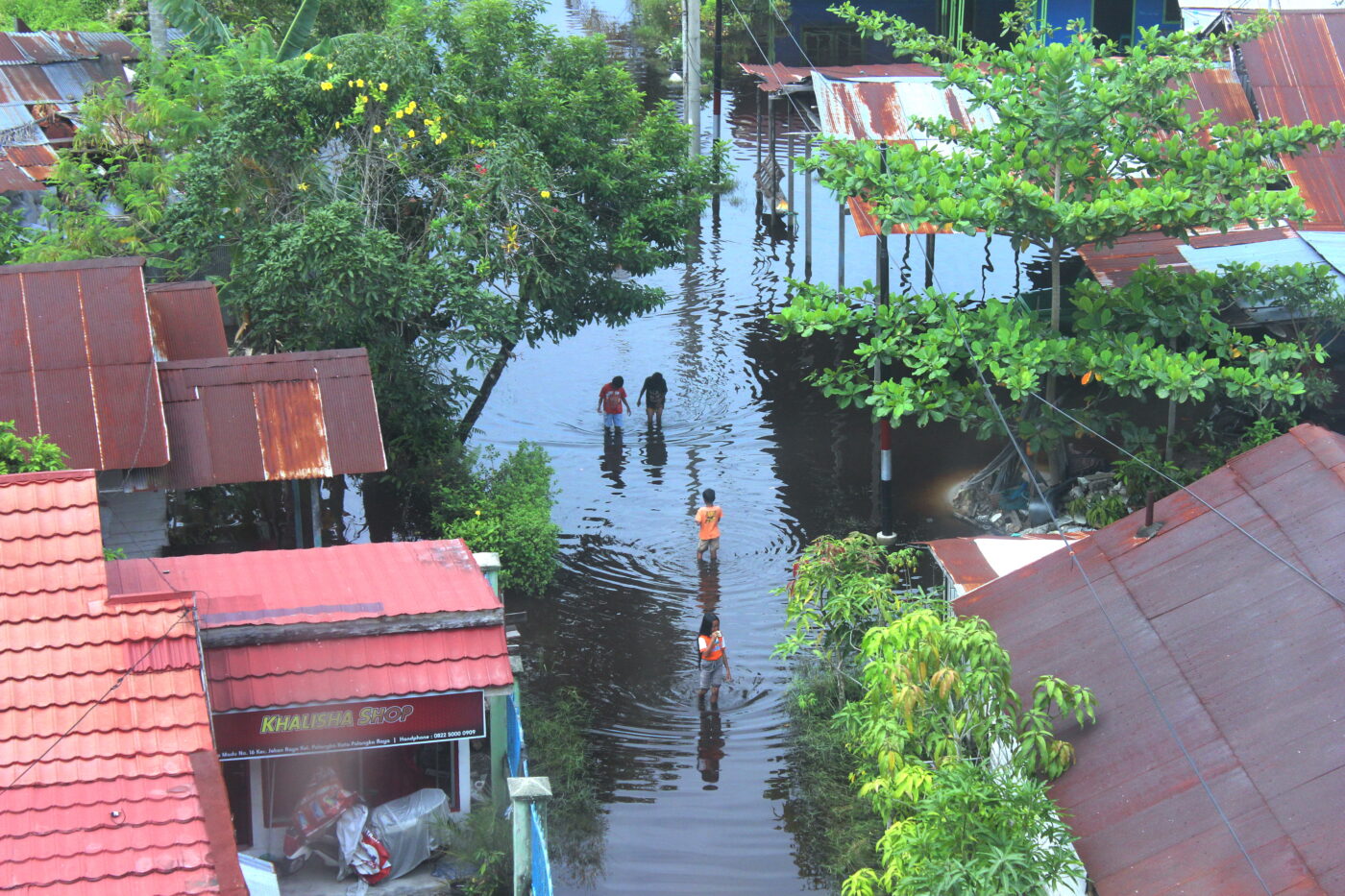
“People experience climate change through their health,” Dr. Sanchez explains. “We notice it during wildfires, heatwaves, or floods. But for millions, these aren’t one-off events; they’re everyday realities. And those realities shape everything from disease burden to food security to purchasing power. Health needs to be at the centre of climate action.”
This people-first framing shifts the focus from distant climate scenarios to current impacts. It underscores the urgency of supporting communities as they adapt and innovate in the face of mounting pressures. GCC has continued this new health-oriented discussion with its partners about climate change.
Listening to the frontlines

In 2022, GCC launched its first climate and health funding call, in partnership with the South African Medical Research Council. We received nearly 800 applications from around the globe, with the majority in sub-Saharan Africa. Only a fraction could be funded, but it was clear that the demand was enormous, and the need to understand priorities on the ground was urgent. The funding call resulted in a diverse portfolio addressing urgent challenges across infectious disease, mental health, nutrition, heat stress, and food security.
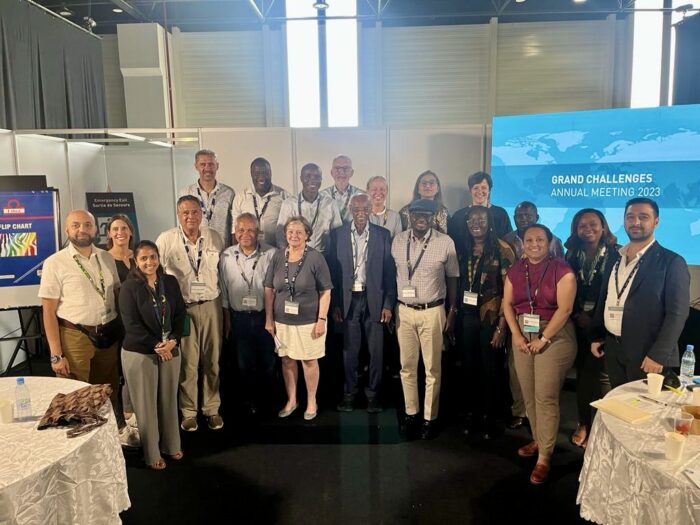
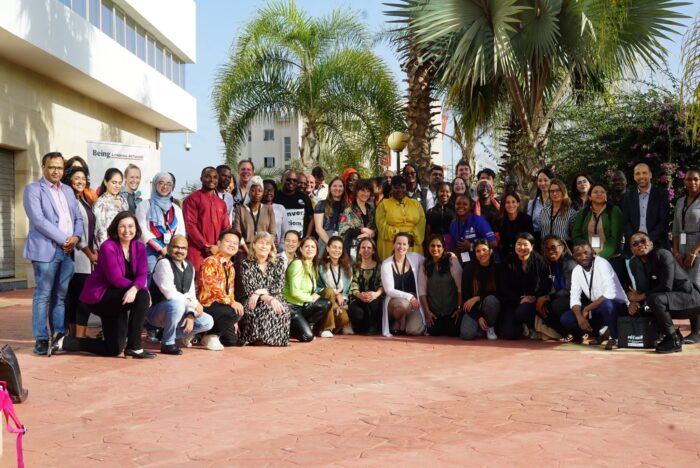
That led us to launch the largest-ever global climate and health survey earlier this year, conducted in partnership with dozens of organizations and disseminated across 107 countries. More than 6,400 frontline health workers, humanitarian responders, and community leaders responded. The quantitative data from the survey, along with qualitative insights from a global convening of healthcare workers, has been reviewed global panel of climate and health experts convened by Grand Challenges Canada and will inform our funding priorities and be shared as a public good document.
“The survey helped us identify the most pressing threats and barriers by region,” says Dr. Sanchez. “It became the foundation for our next Grand Challenge, and it’s been the single most important tool in shaping how we move forward.
Building a collaborative movement
“When Grand Challenges Canada first entered the space, we knew that we couldn’t do it alone,” says Dr. Sanchez. “We brought in partners early, not just to help us shape the survey, but to share it across their networks. That collaborative approach is what helped build momentum so quickly.”
Philanthropic partners, development agencies, and other Grand Challenges initiatives came on board, eager to co-create. What started as a survey effort evolved into a broader platform for collective action.
“Innovation in climate and health can’t happen in isolation,” says Dr. Sanchez. “Everyone we spoke to was asking the same questions, and they wanted to join forces, not just to align funding, but to co-design programs from the ground up.”
“That spirit of collaboration has shaped everything from the program’s priorities to its governance model. Rather than acting unilaterally, we’ve invited partners to co-design the initiative, contribute their expertise, and help shape its identity, including branding and outreach efforts. The message has been clear: It’s not a GCC program that others are joining. It’s a joint initiative, and everyone can see themselves in it and be part it. We are still inviting others to join us and help shape what comes next.”
A platform for innovation and scale
As an impact-first investor and Canada’s innovation platform, GCC brings a unique value proposition to the climate and health space: the ability to spot and support promising ideas at early stages, and the infrastructure to help those ideas scale.
“There are already people innovating in difficult climate conditions daily,” says Dr. Sanchez. “We’re not inventing resilience, we’re amplifying it.
With more than 15 years of experience funding 1500+ innovators in over 100 countries, GCC is now deepening its commitment through a new strategic phase focused on investing in climate and health priorities and scaling impact. That includes using innovative financing tools to invest in bold solutions, from ideation and testing to adoption and sustainability.
Being part of the Global Grand Challenges Network also gives GCC a valuable edge, with direct connections to country-level programs and an embedded global community of funders and innovators. As a network, we have already funded over 100 early-stage climate and health innovations, creating a strong foundation of knowledge and experience to build upon as we scale efforts and deepen impact.
“We’re guided by data,” adds Dr. Sanchez. “One of the great strengths of our climate and health work is that we have taken the time to really learn and listen along with our partners.”
The moment is now
The recent landmark decision by the International Court of Justice (ICJ) on climate obligations has renewed global attention on the climate crisis. For Grand Challenges Canada and partners, this is an opportunity to push for stronger adaptation and resilience measures, especially those that centre on health.
“Climate change is already here,” Dr. Sanchez emphasizes. “What we’re trying to prevent is the situation worsening—mass displacement, uninhabitable regions, and collapses in health systems. Governments need to act now, not just by cutting emissions, but by supporting adaptation.
As governments and philanthropies gather at this week’s Global Conference on Climate and Health and November’s COP30 conference in Brazil, Dr. Sanchez sees a critical window to influence the global conversation. The goal is to ensure that health is not a side issue, but a central pillar of climate action.
“This is a pivotal moment,” says Dr. Sanchez. “We’re seeing momentum. We’re seeing collaboration. And with the right investments in innovation and partnership, we can help build a healthier, more resilient future for everyone.”